

Bohuslän and Dalsland are both Swedish regions that aren’t necessarily considered heavyweights among Swedish landscapes in terms of international fame. People know Småland (because of Astrid Lindgren), Lapland (because of reindeer and the Northern Lights), and maybe Dalarna (because of the wooden horses) – but after that, things usually get a bit thin.
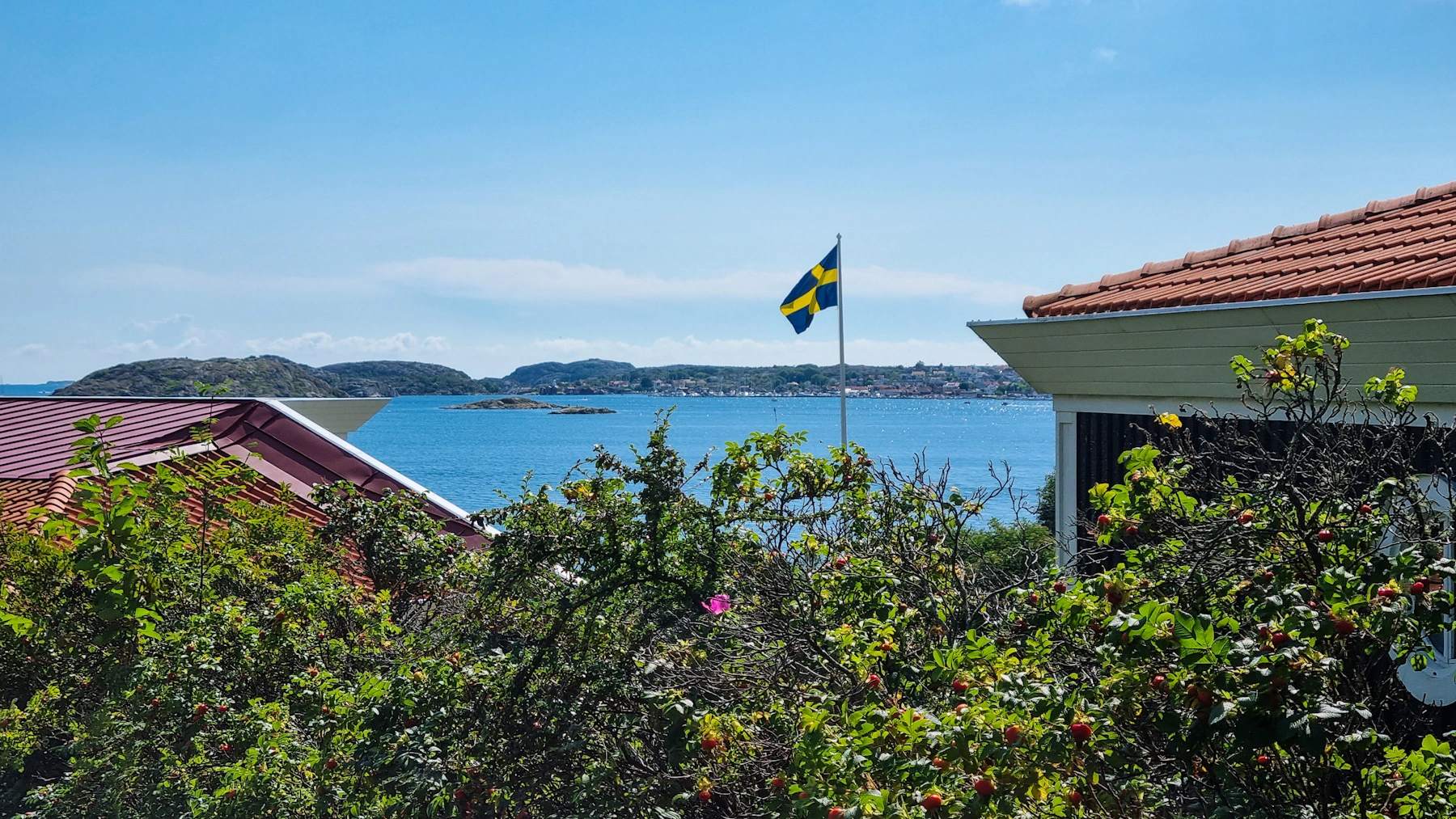
For Sweden enthusiasts, however, these two regions certainly appear at the very top of the list. And among the Swedes themselves, Bohuslän at least is a very, very big deal. The slogan “Västkust är Bästkust” (West Coast is Best Coast) is probably not shared entirely without reservation by Stockholmers. Nevertheless, many from the distant capital have their summer residences in the local coastal towns – telling!
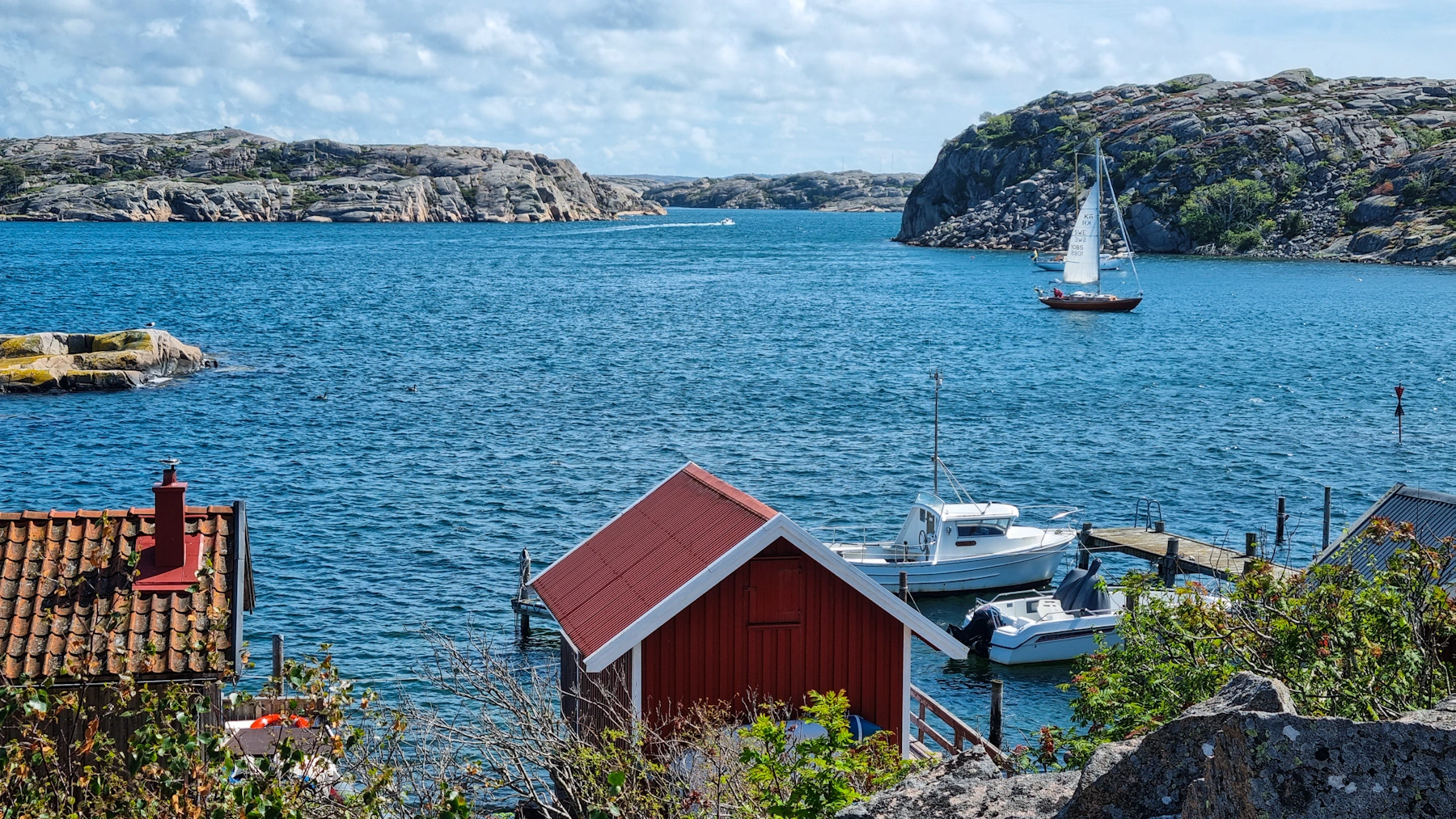
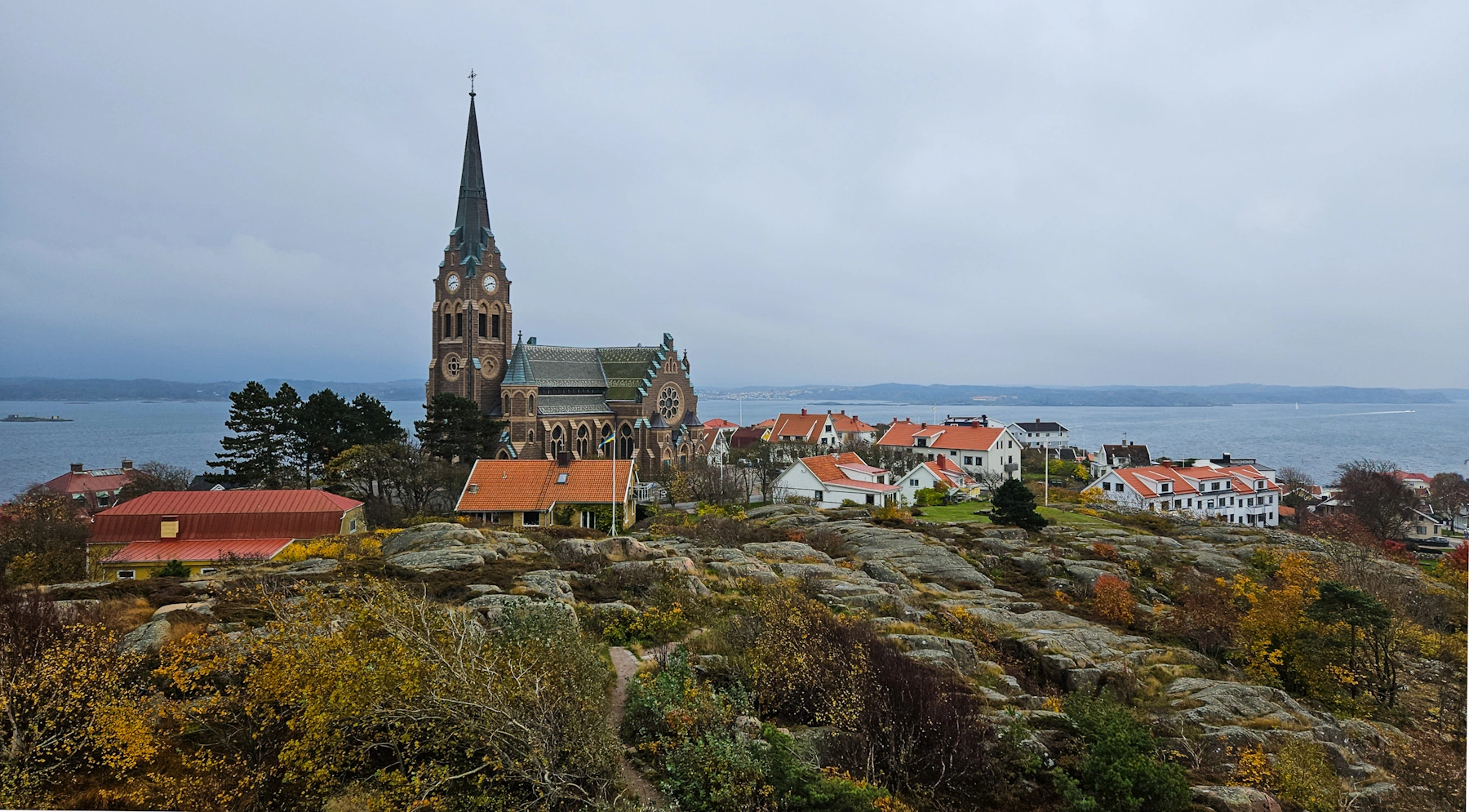
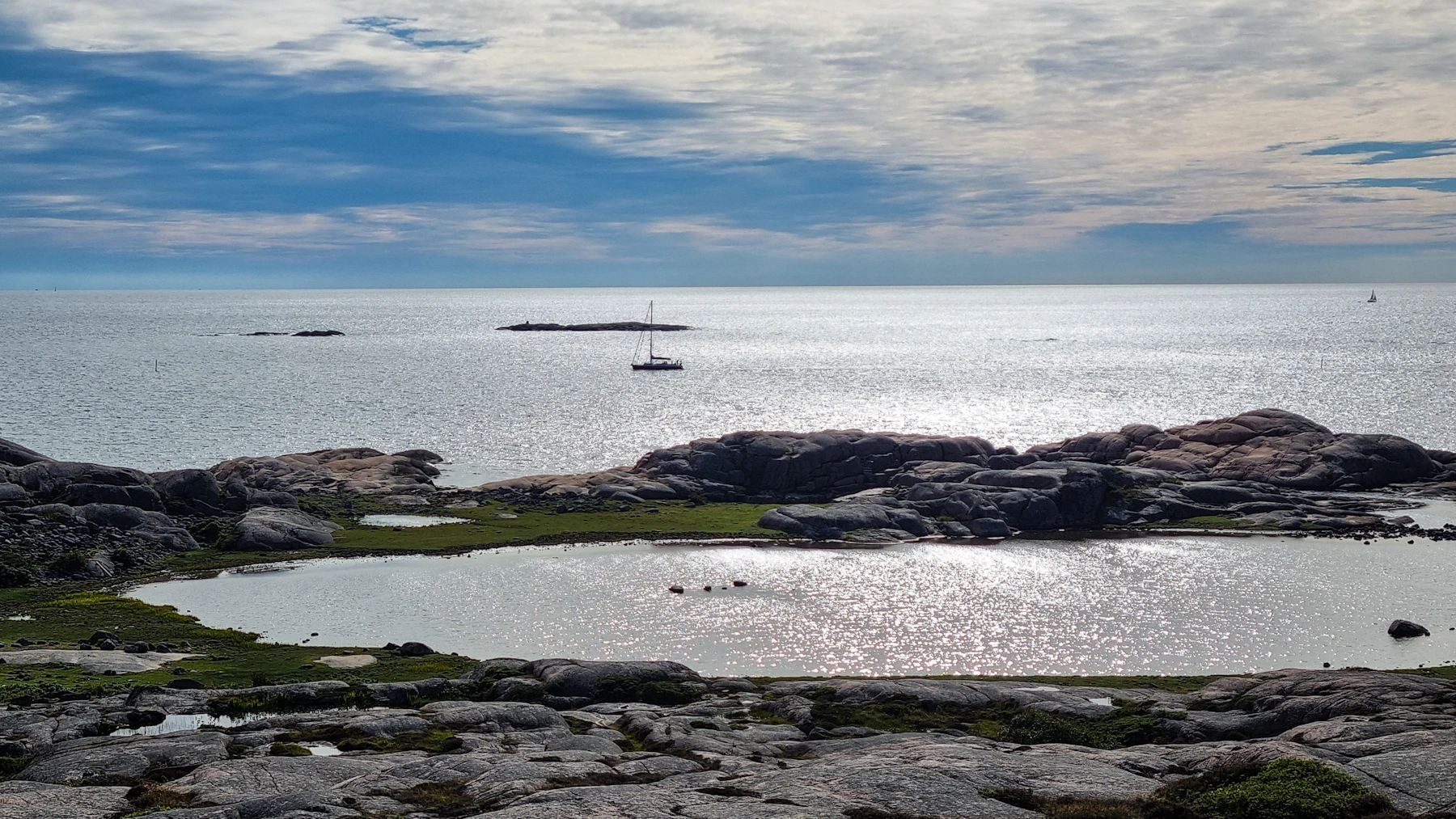
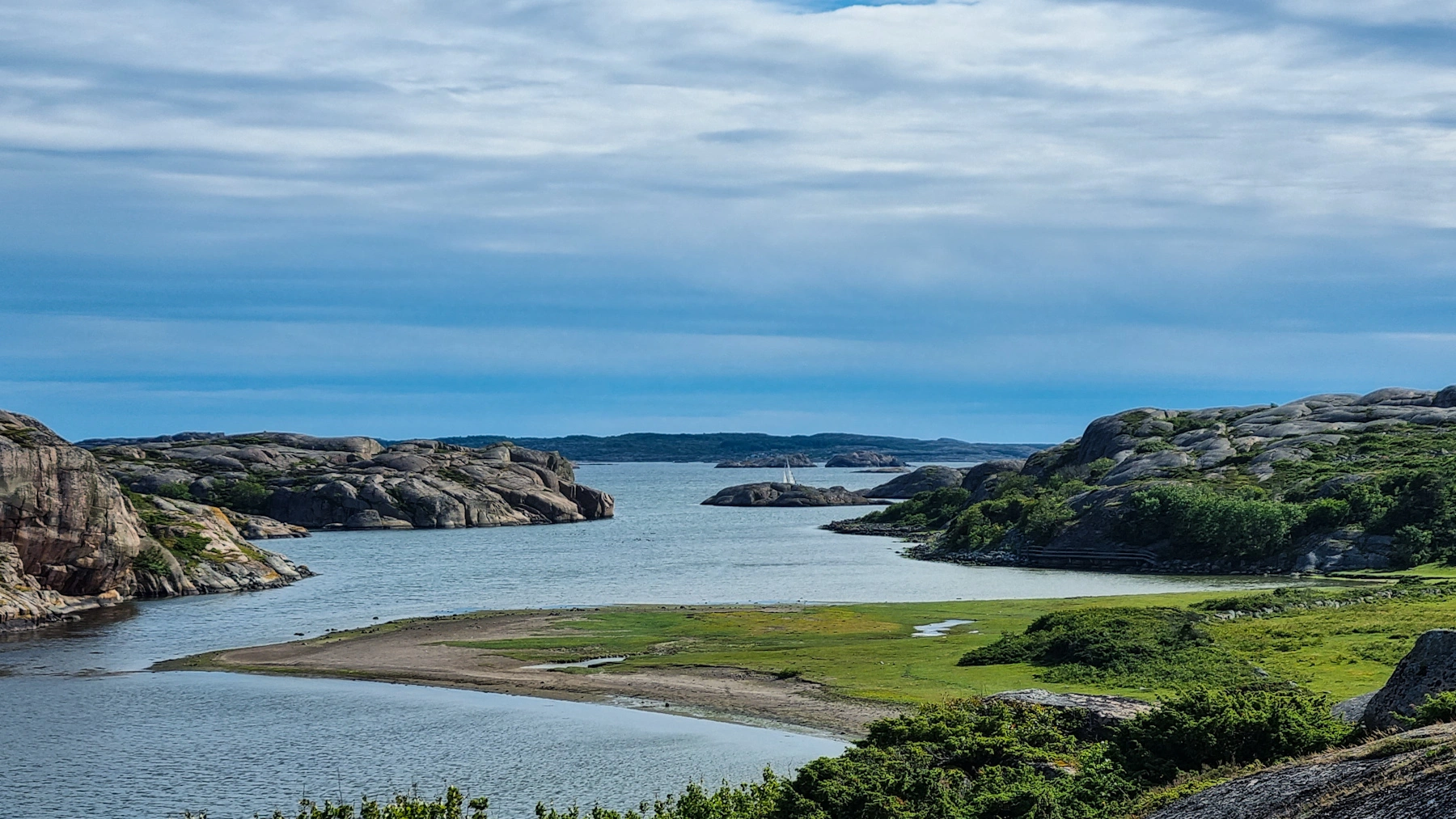
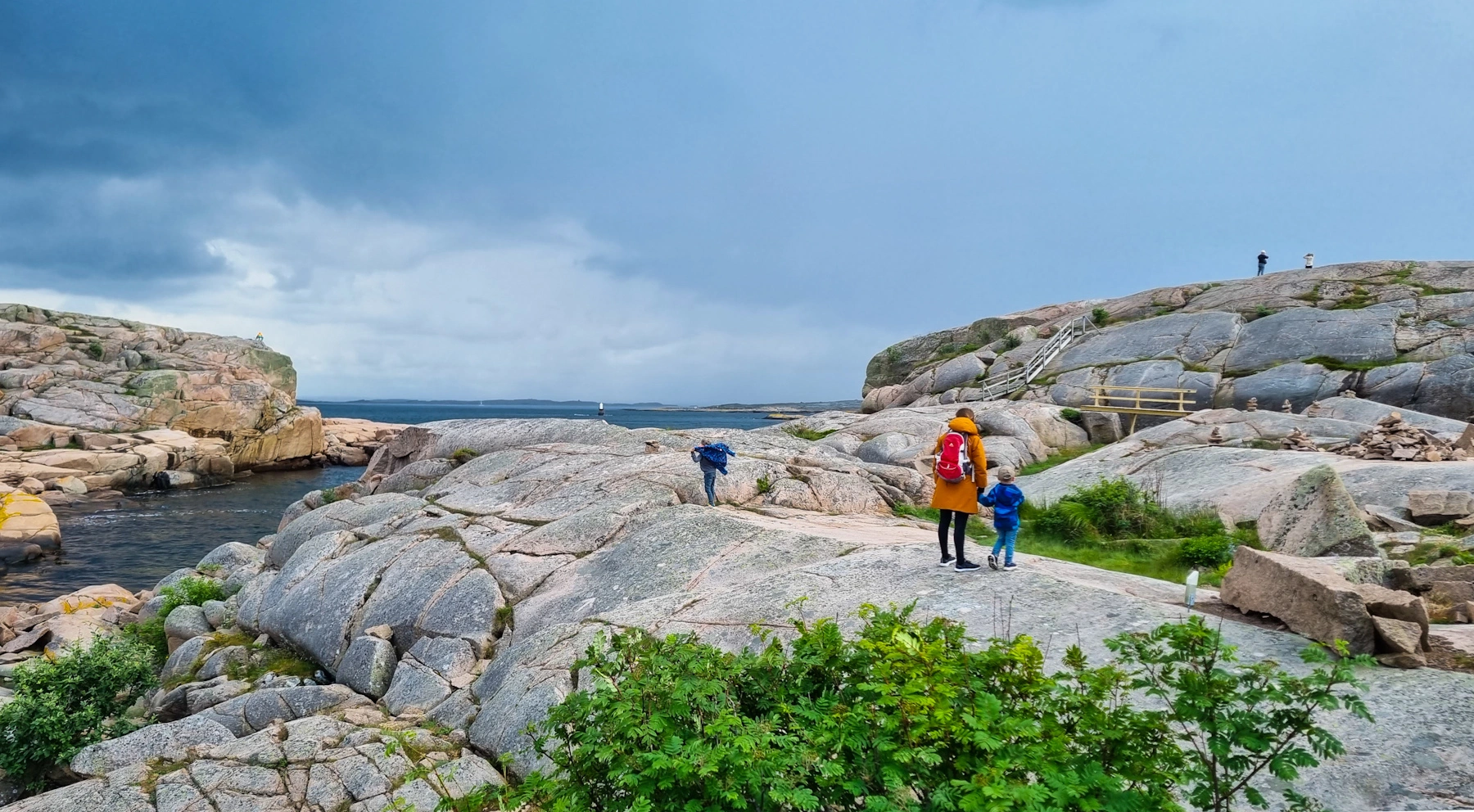
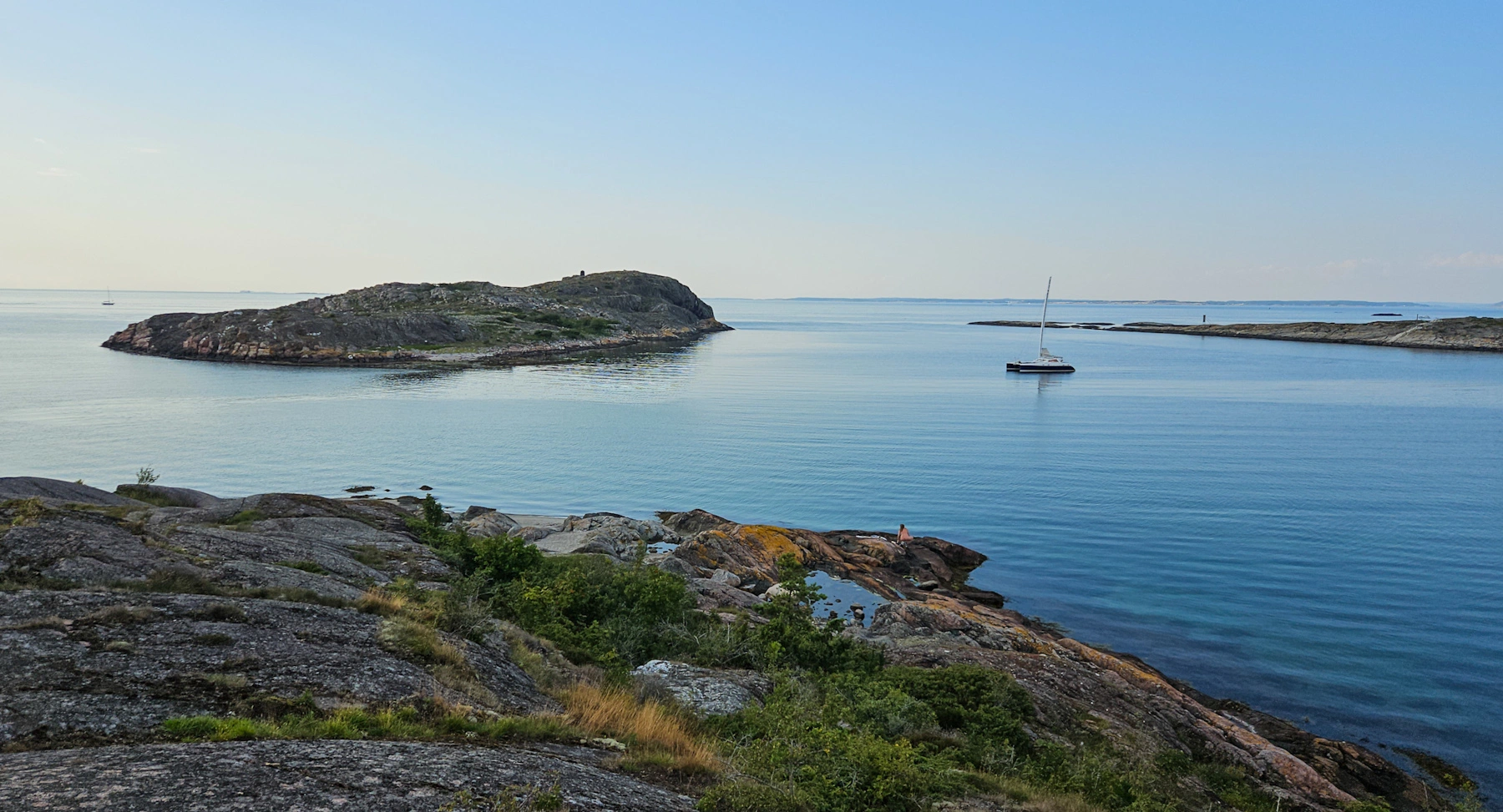
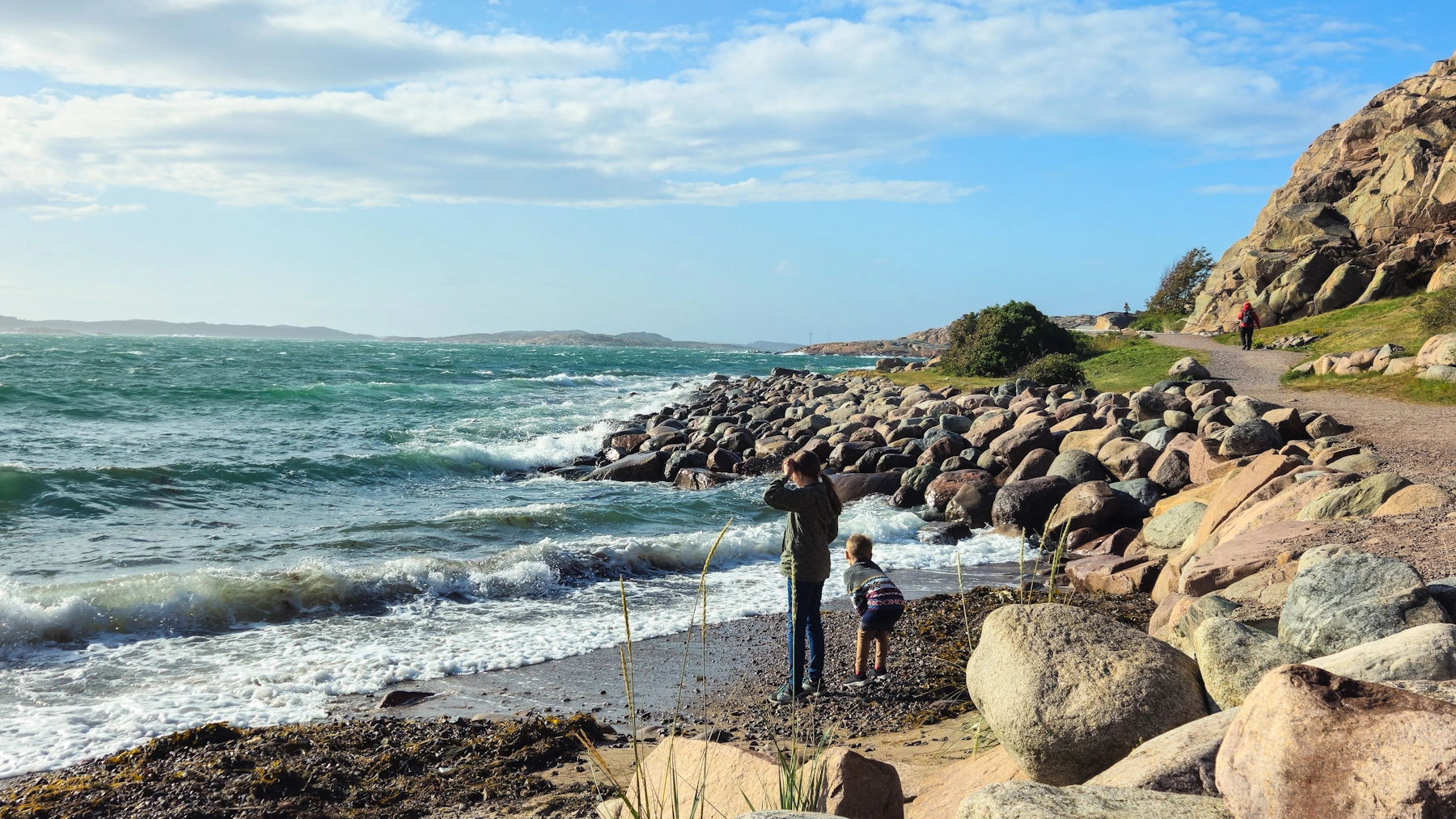
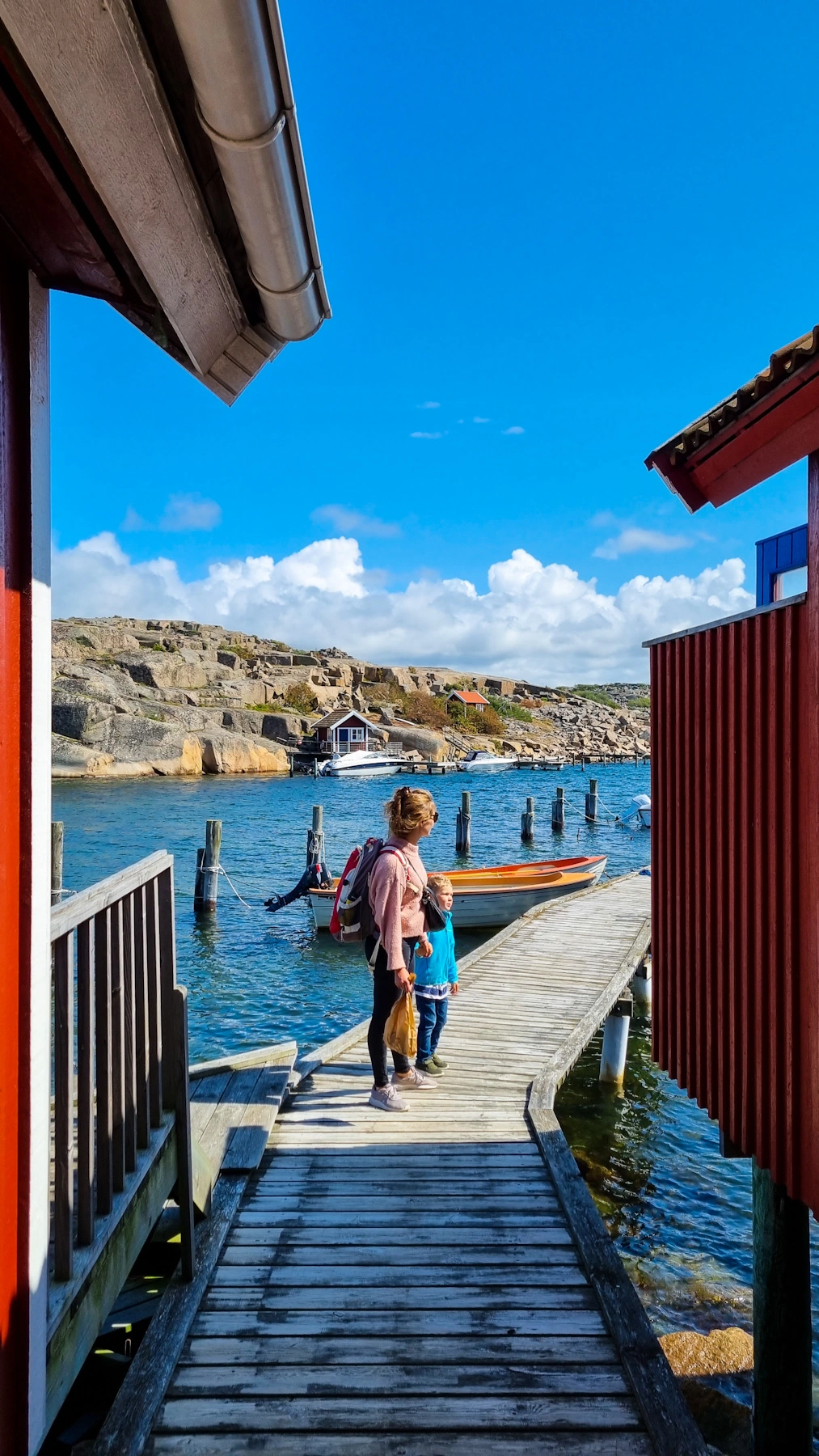
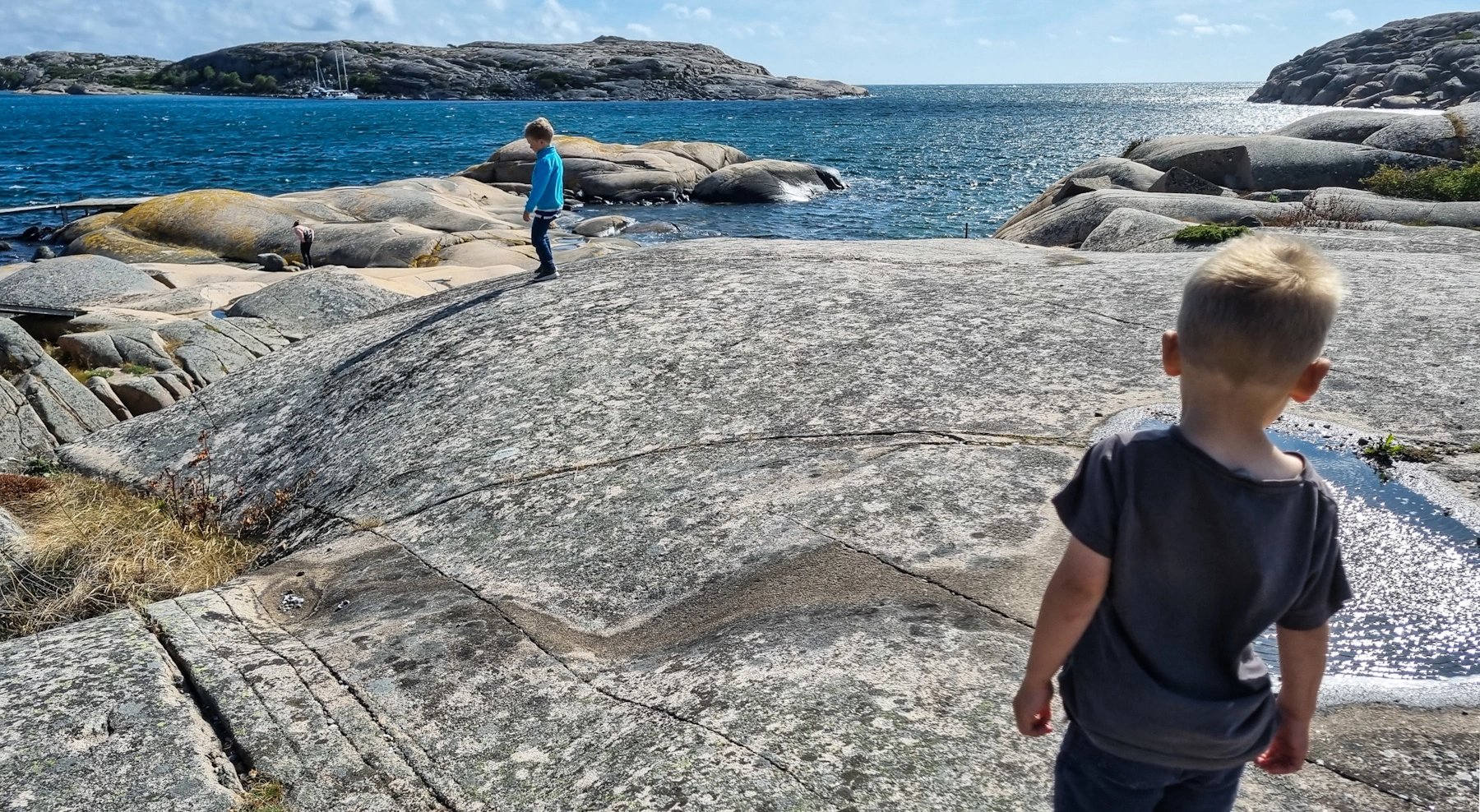
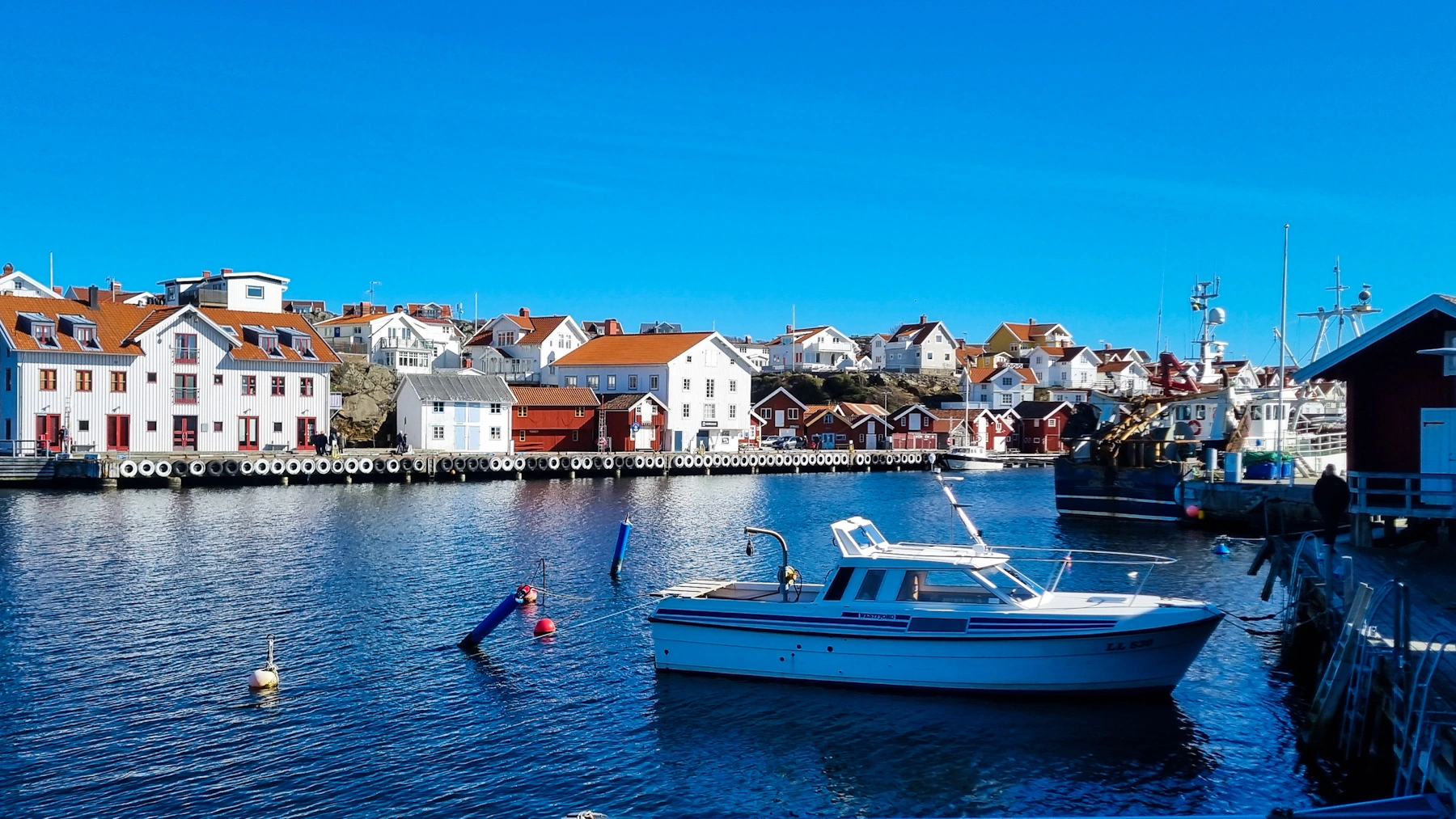
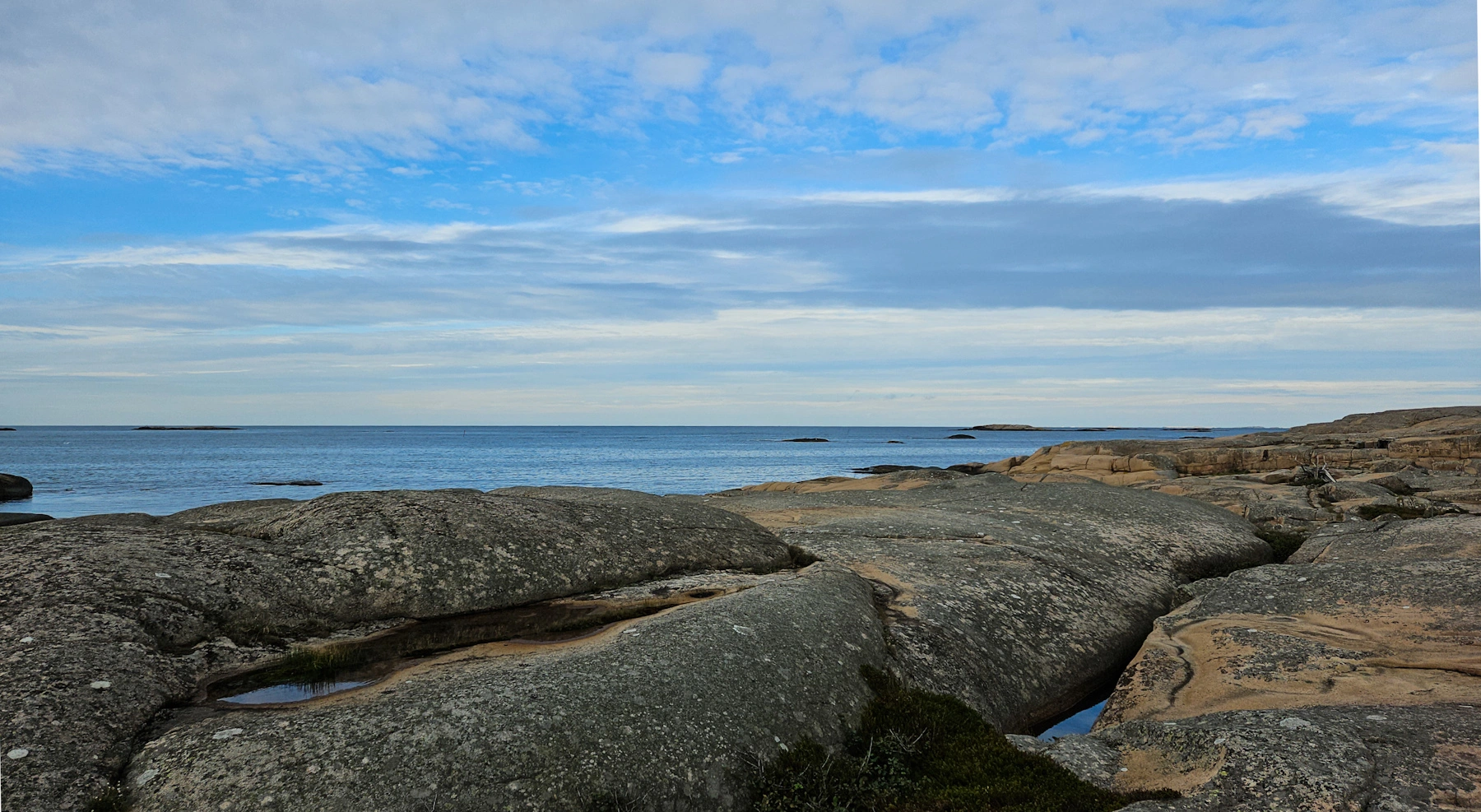
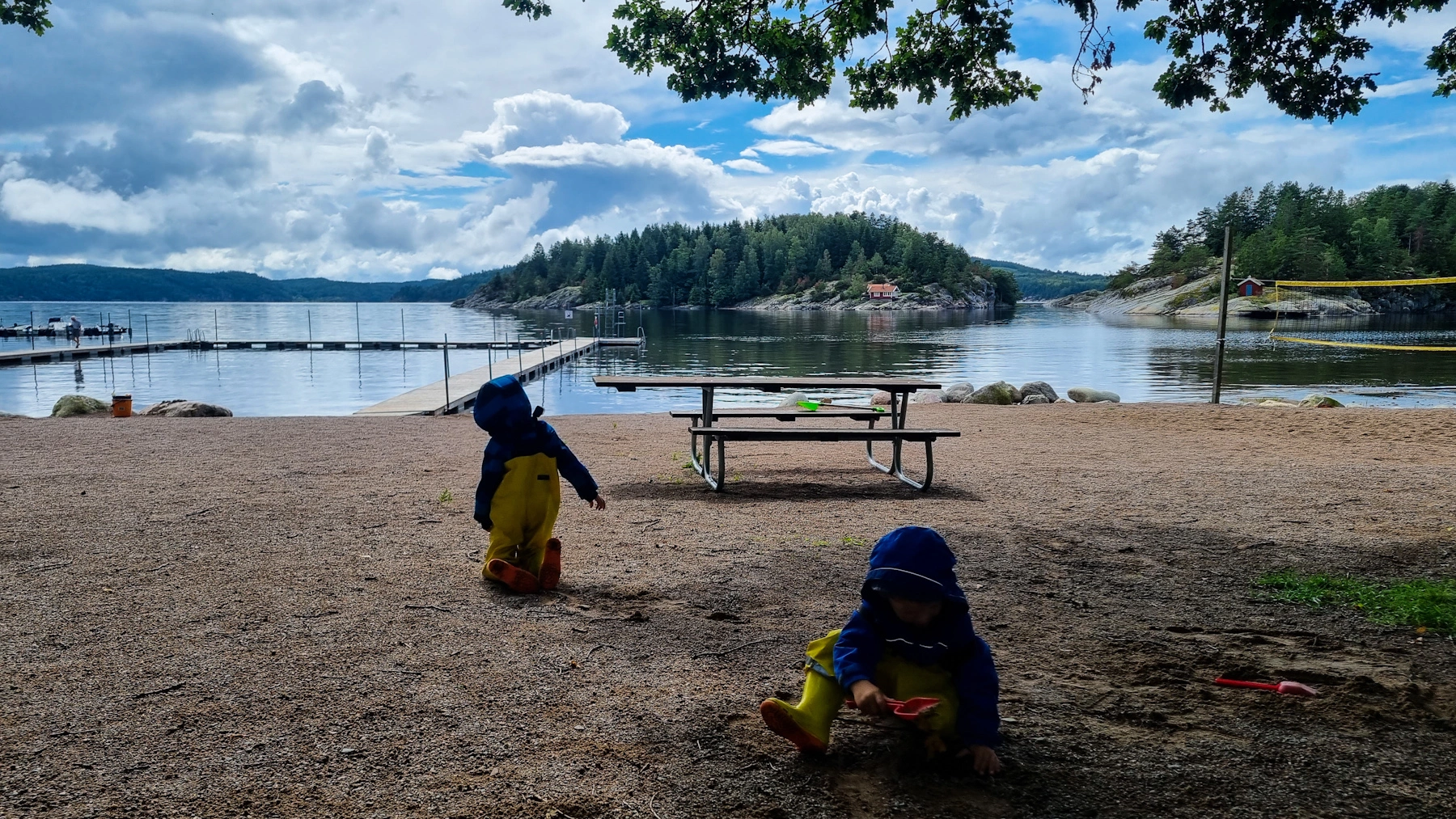
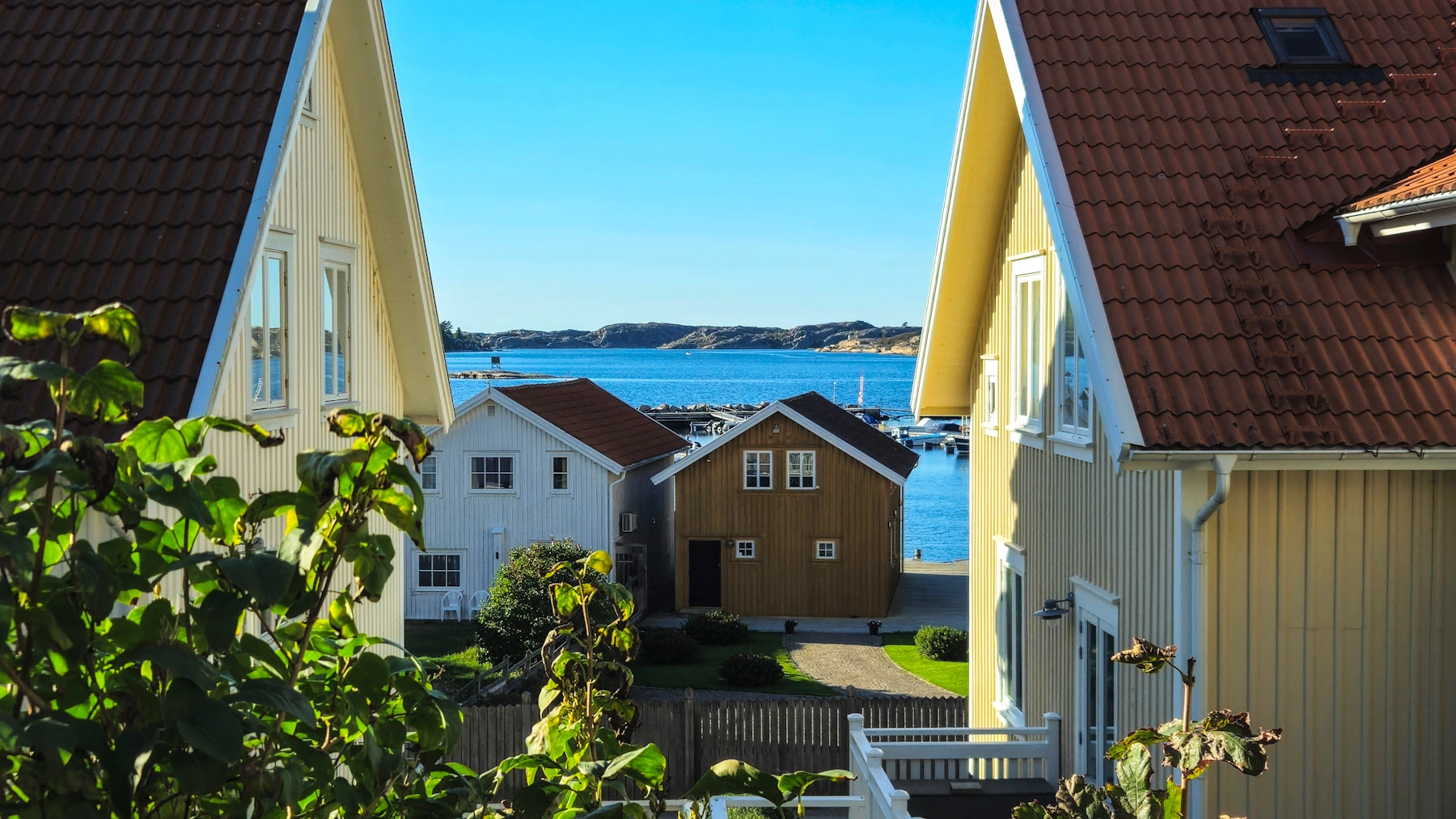
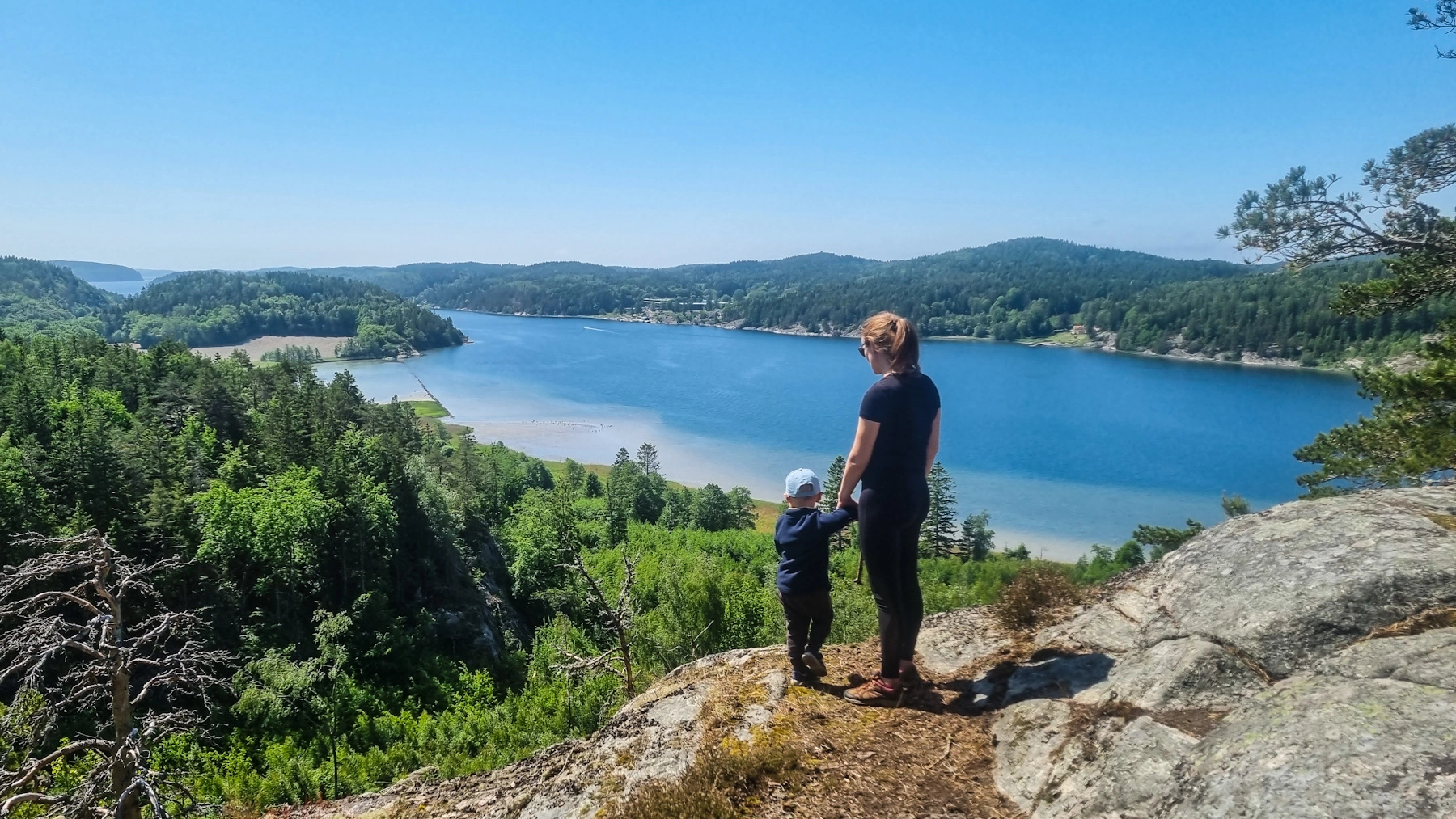
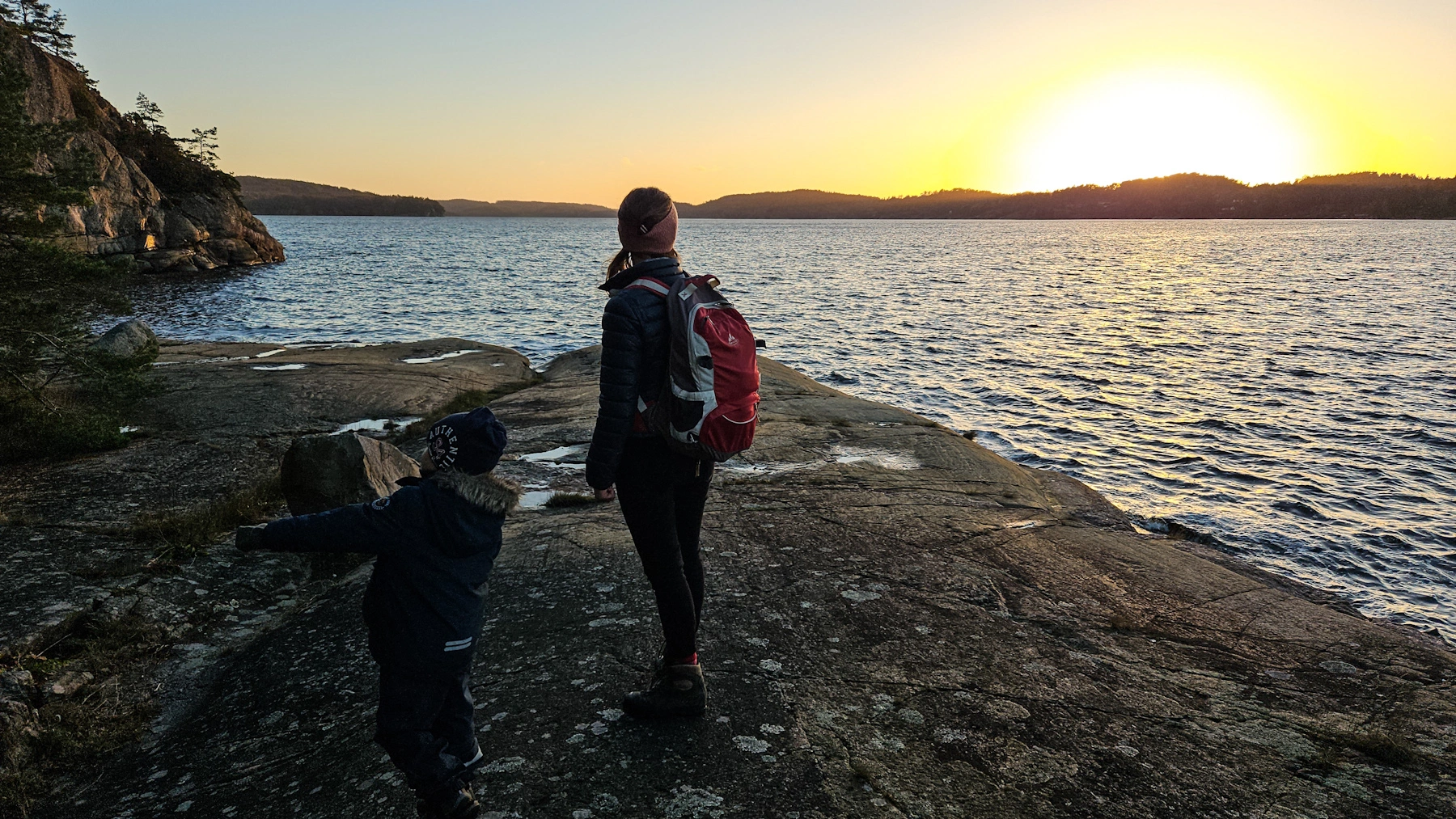
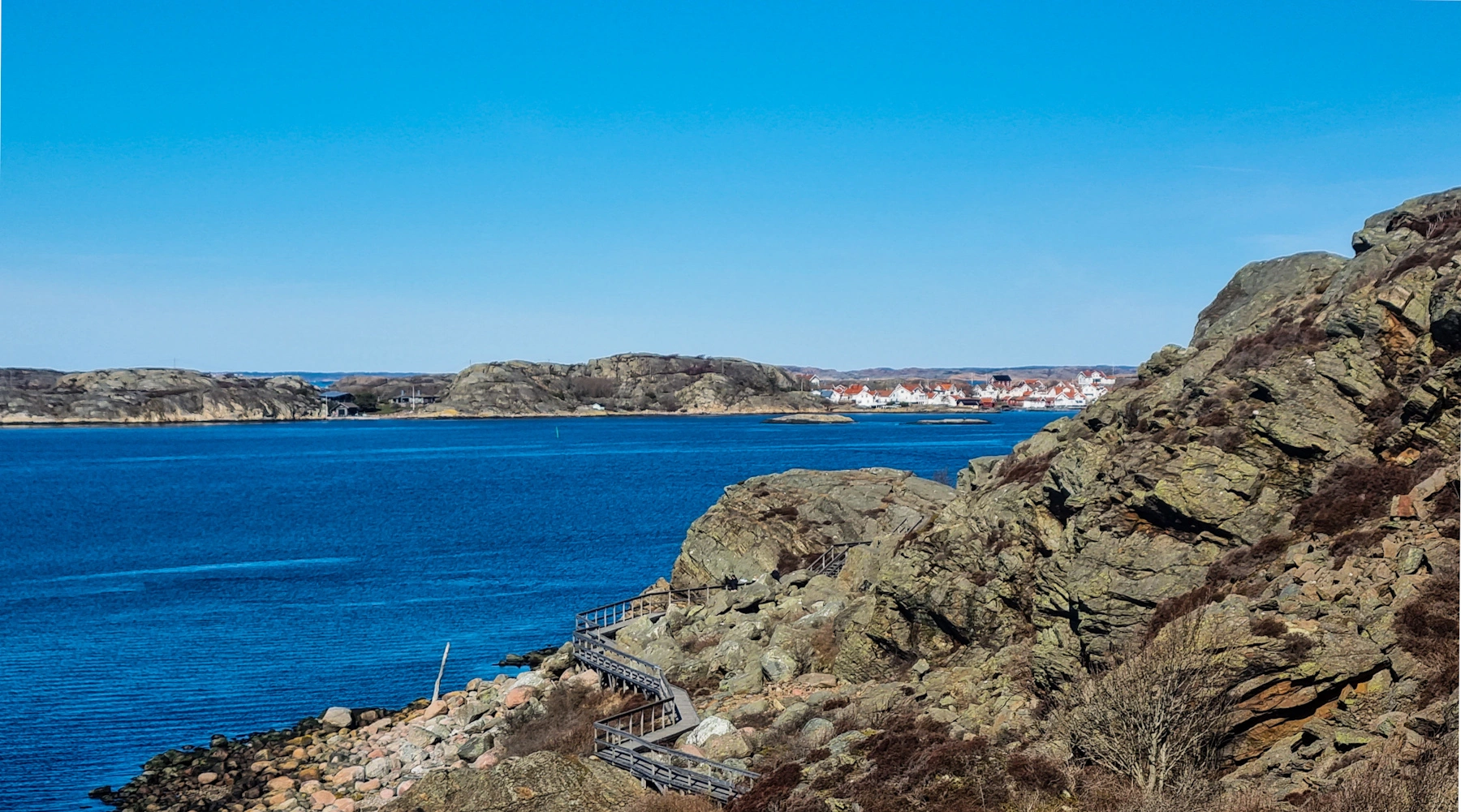
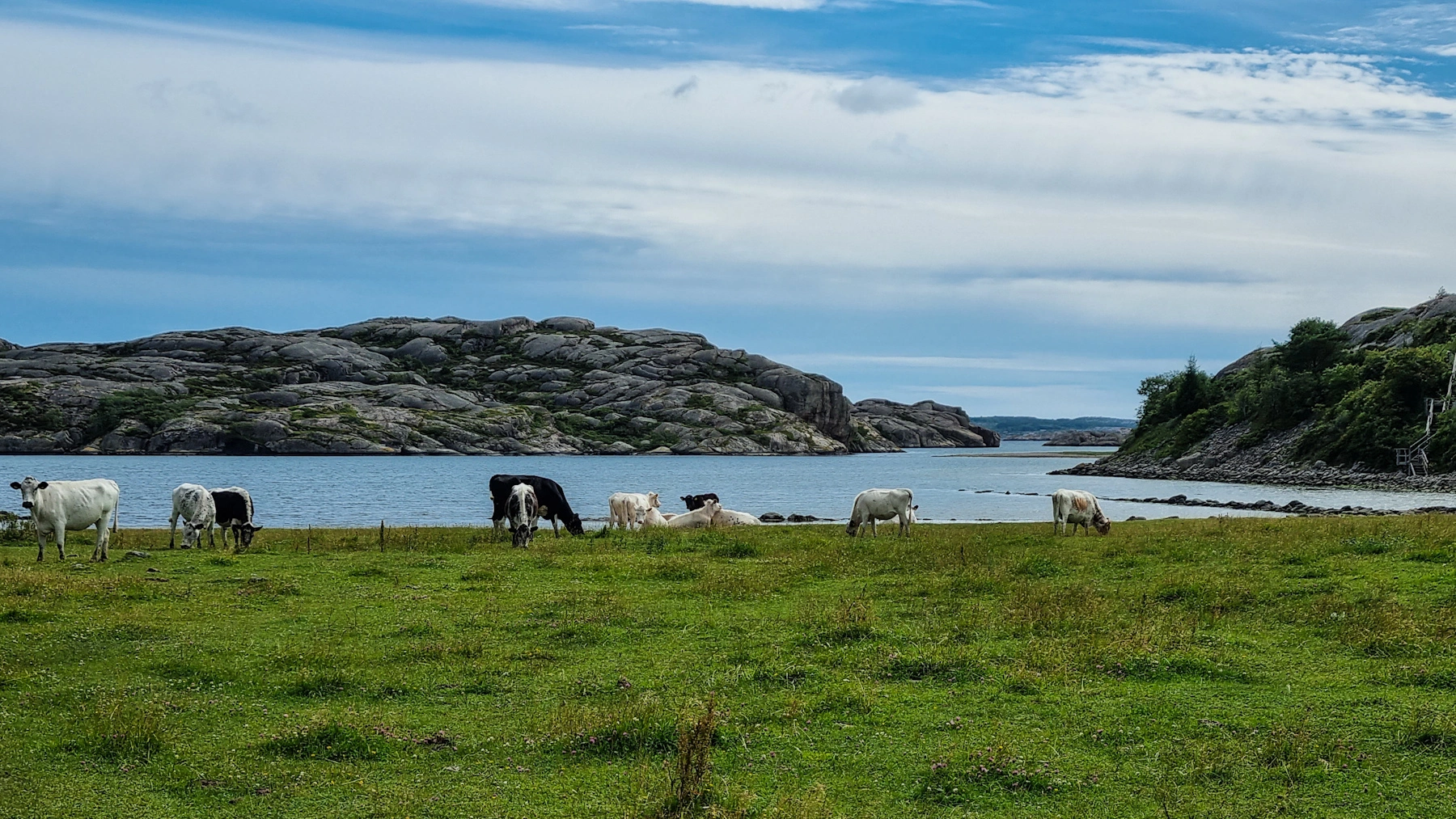
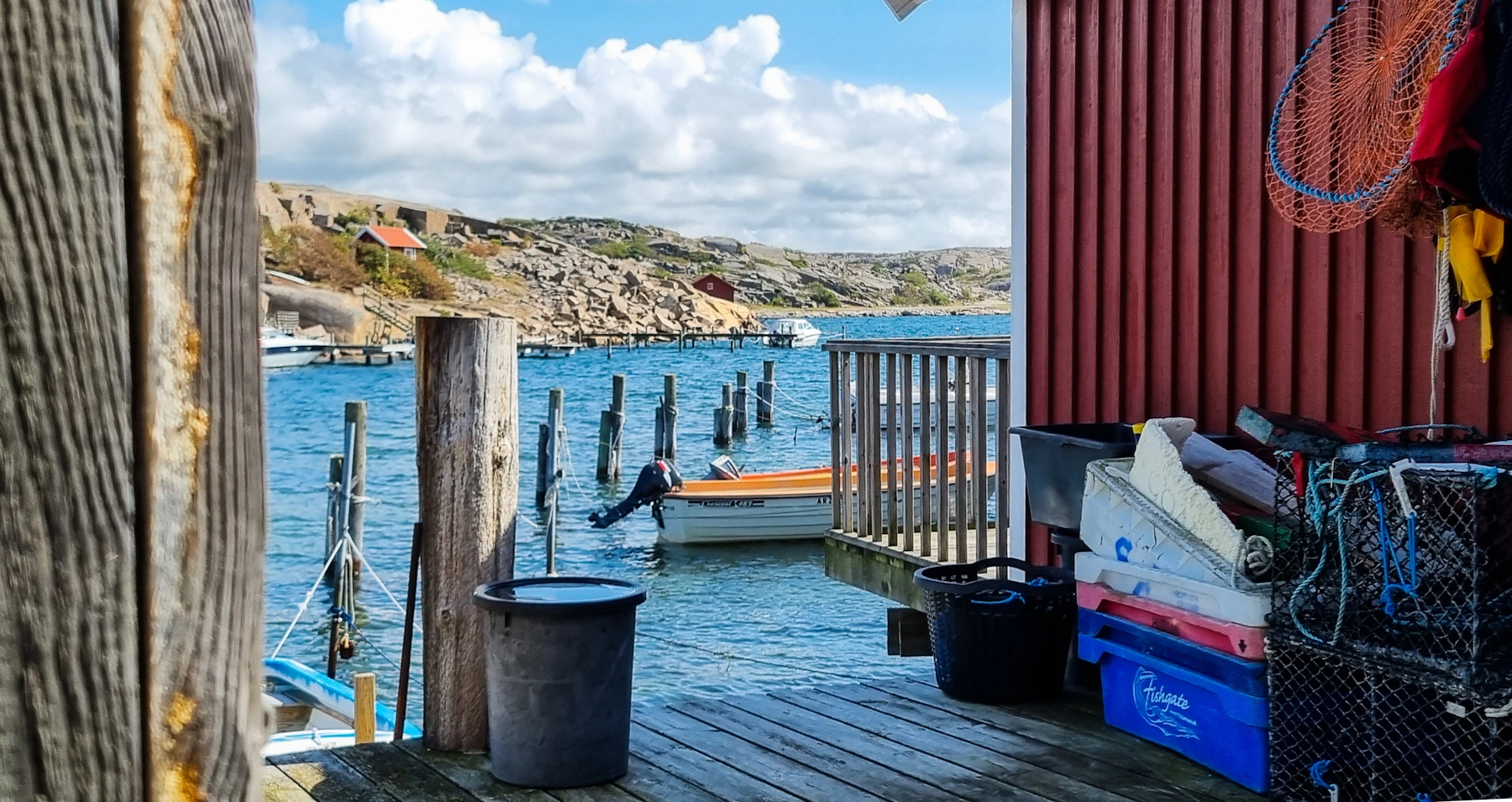
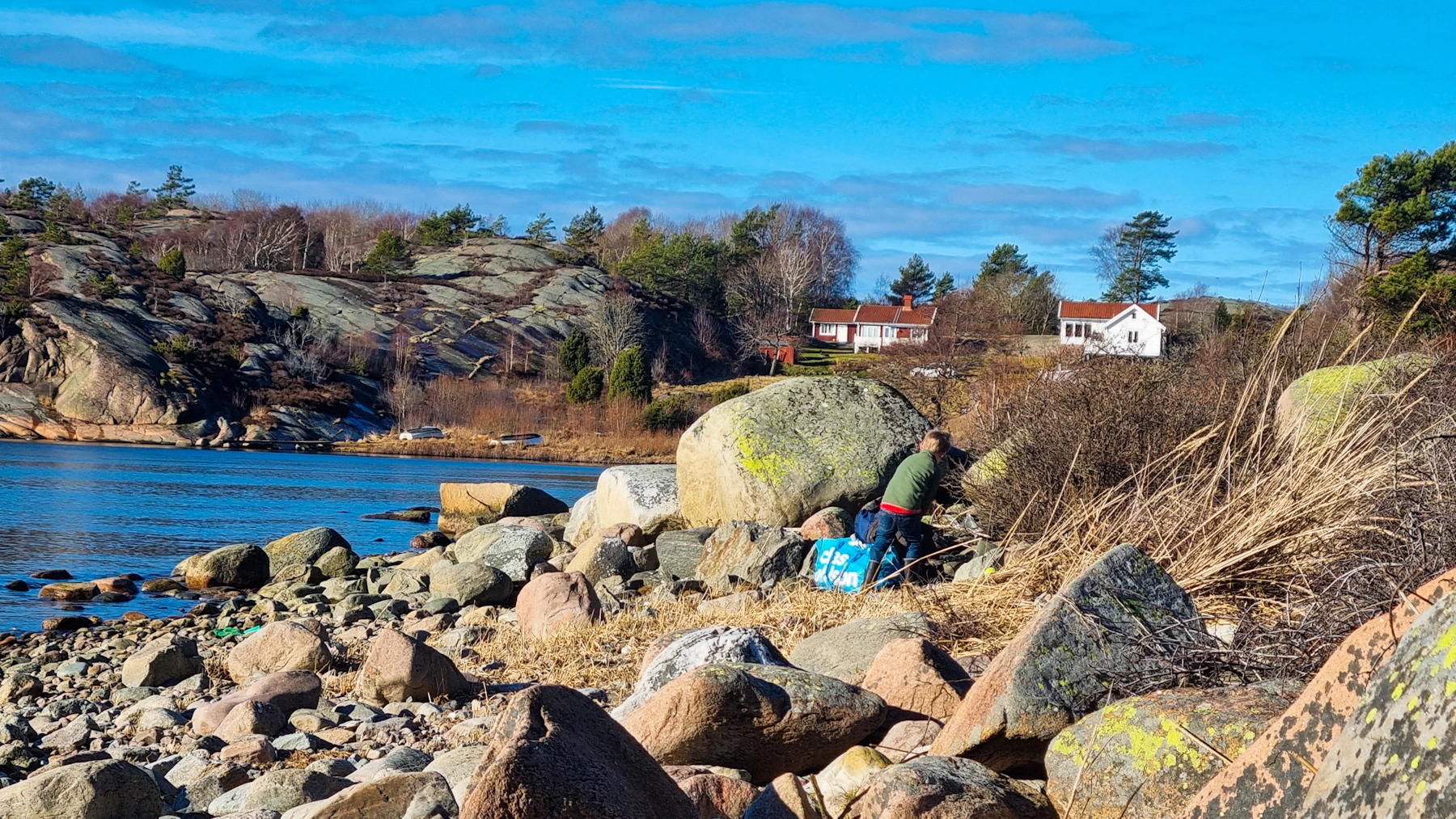
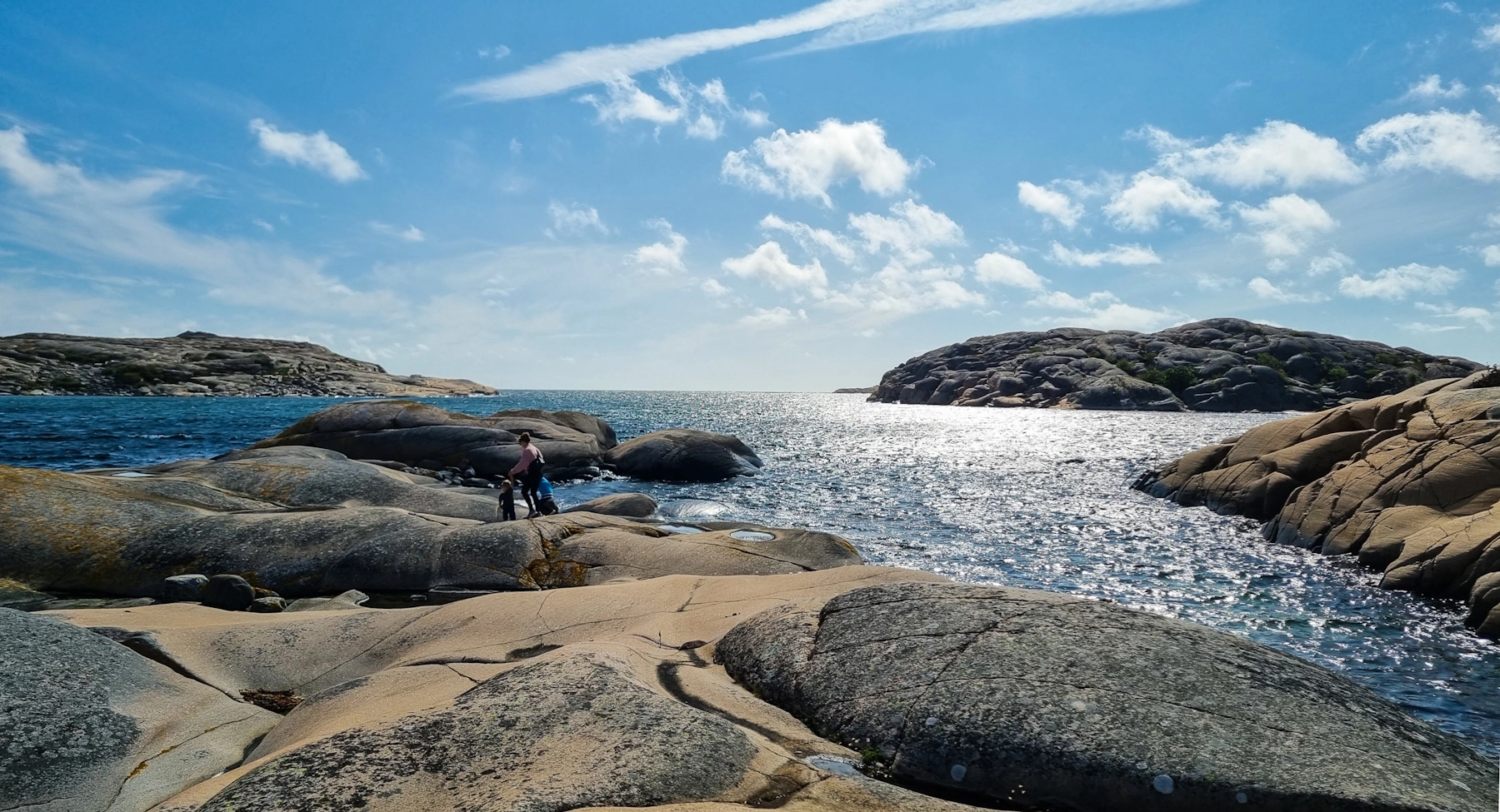
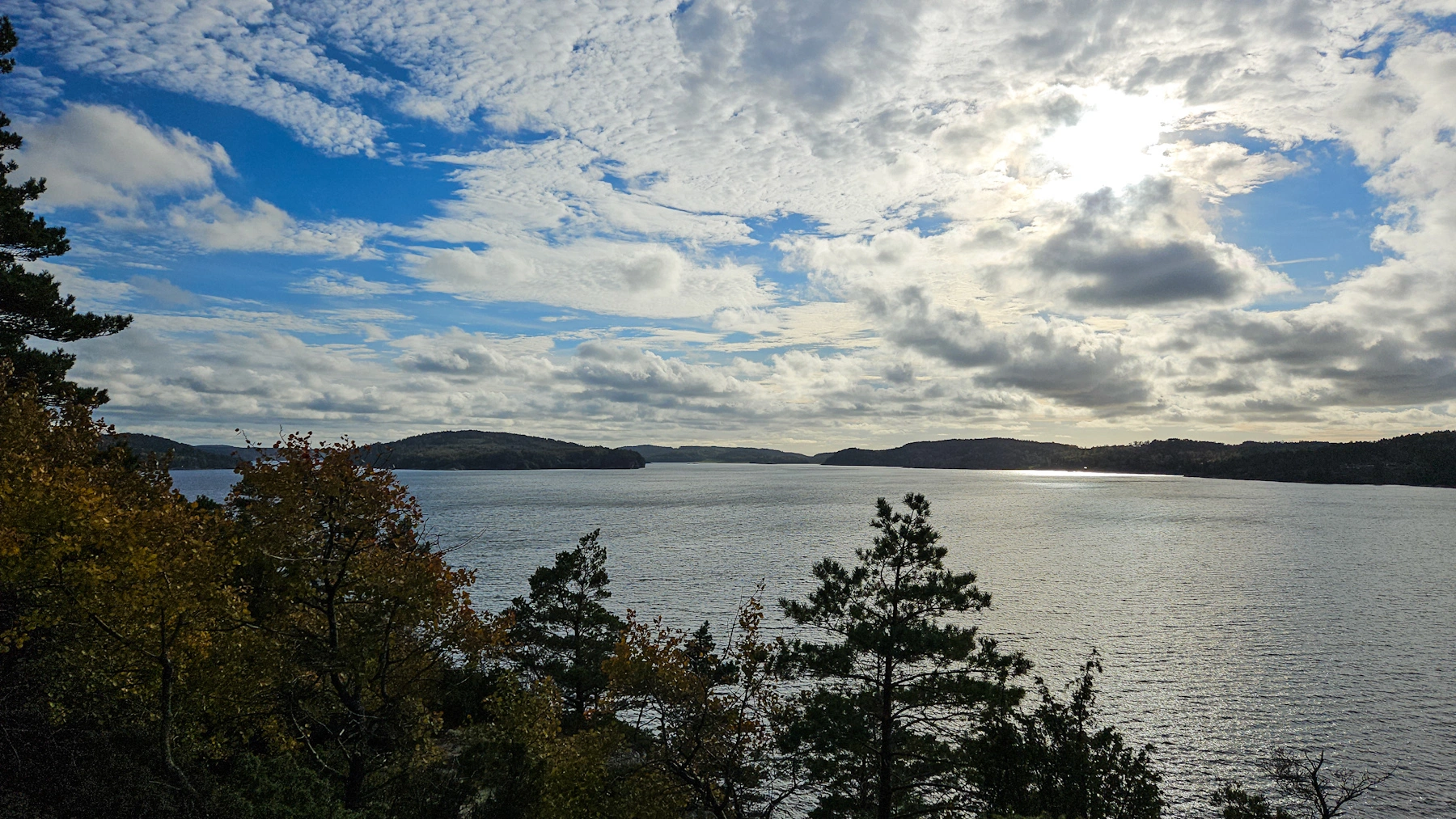
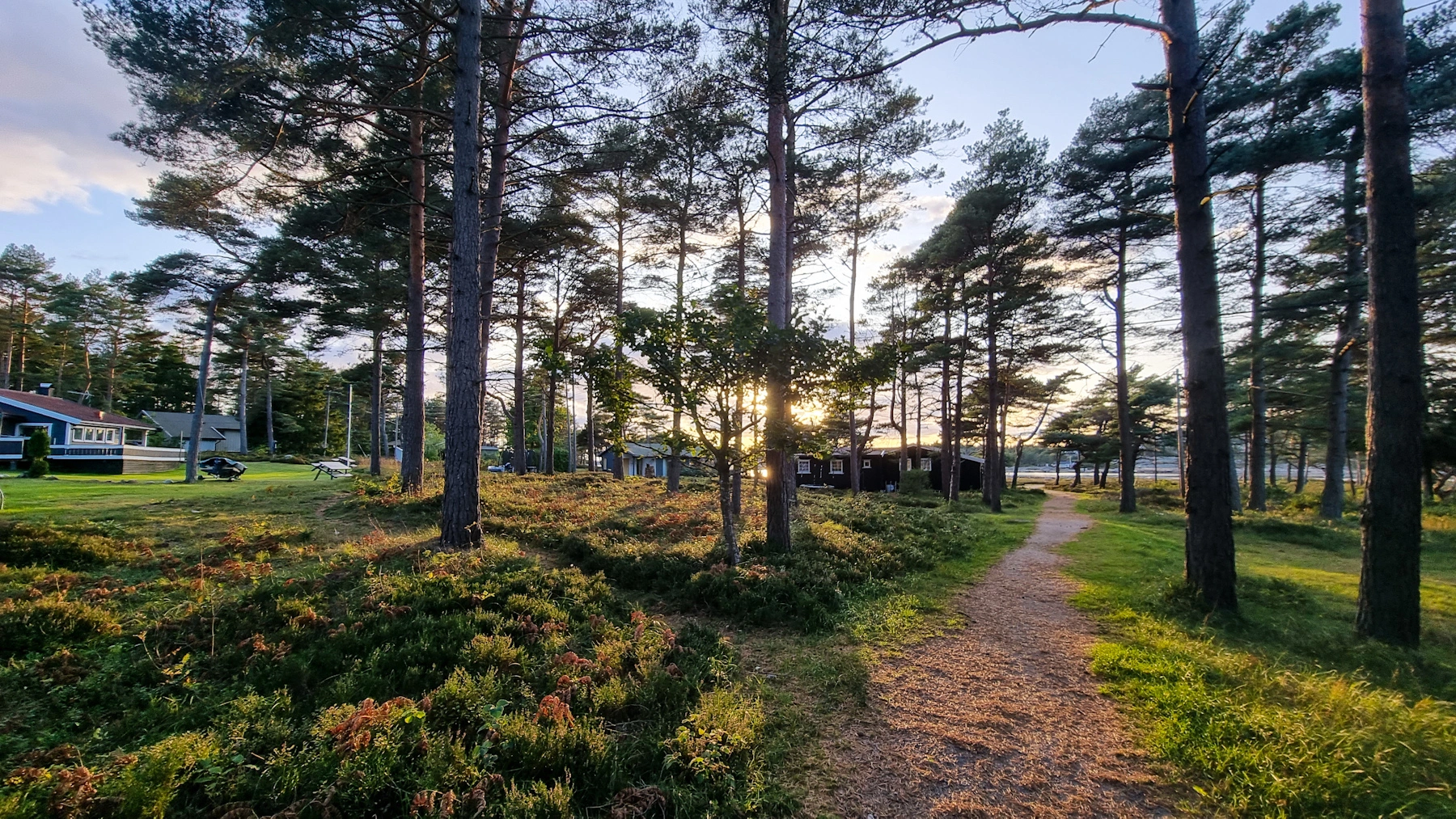
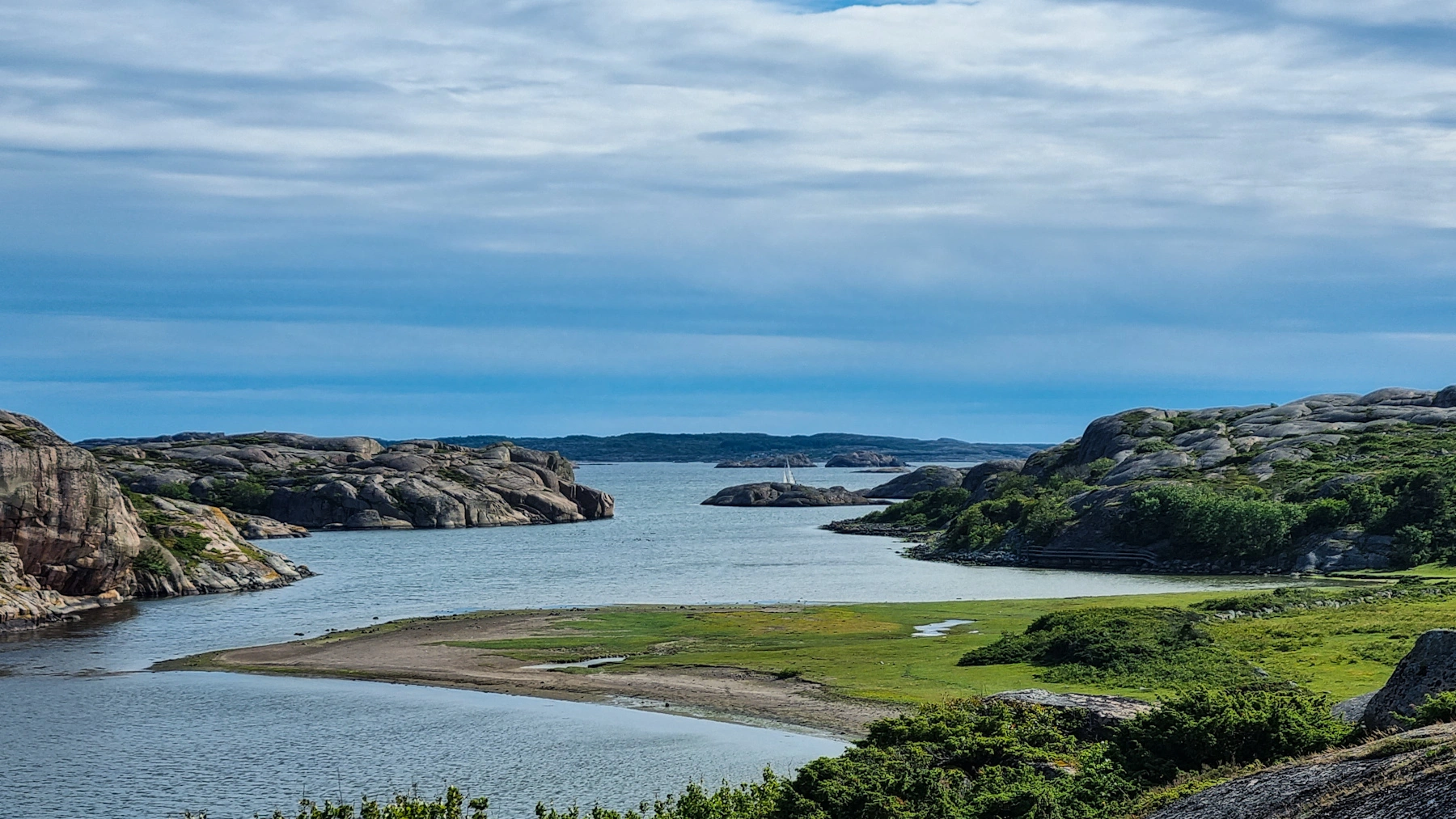
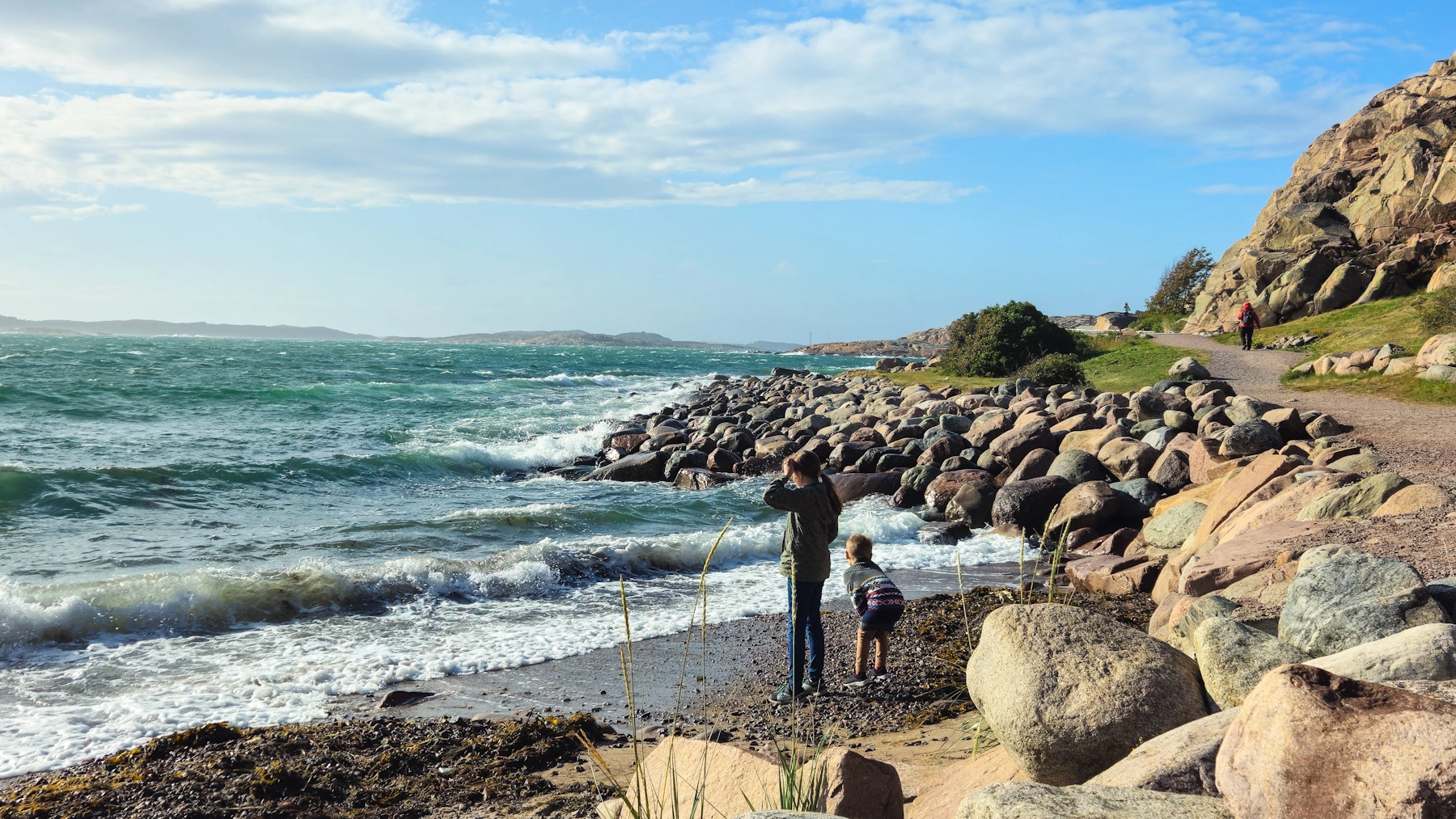
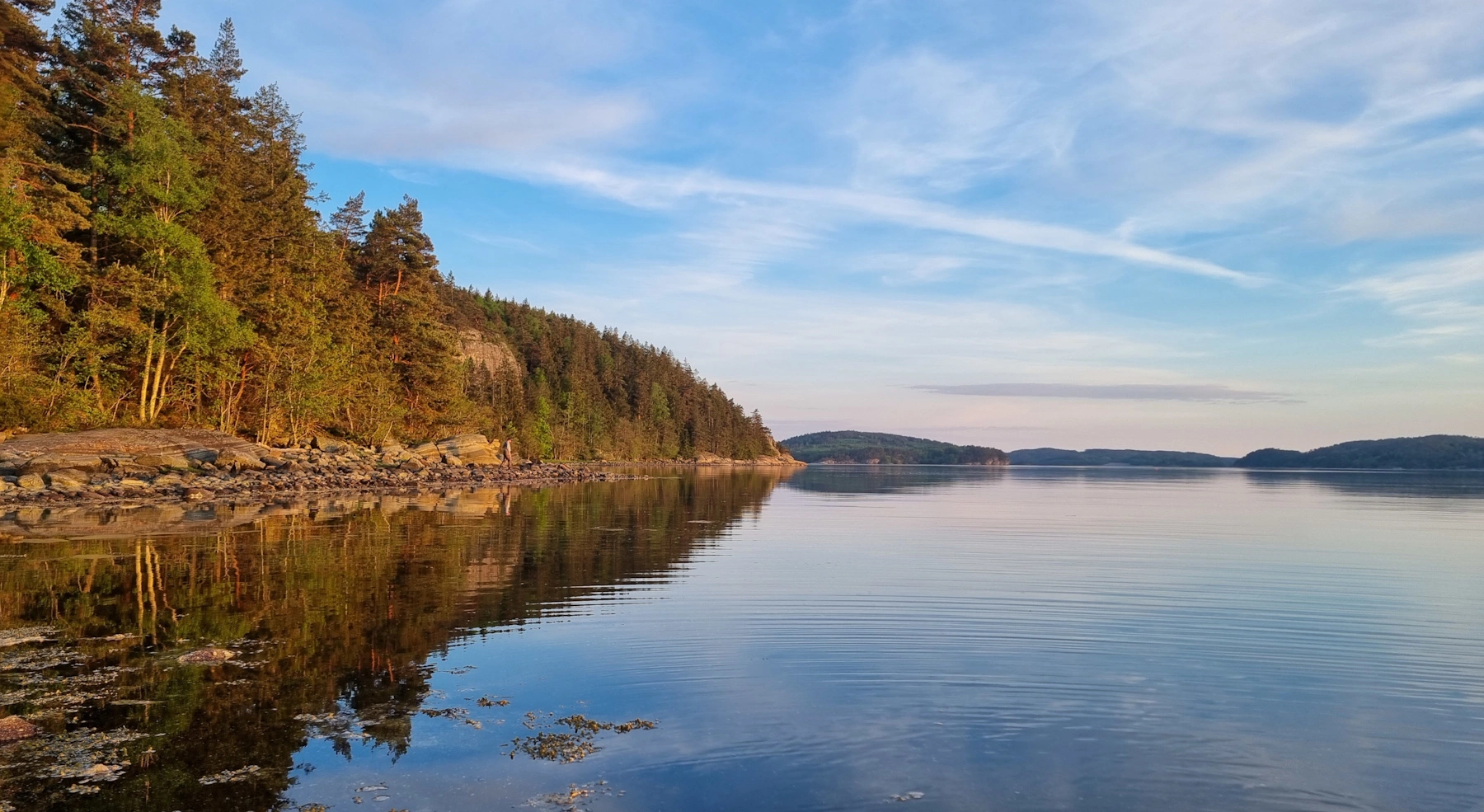
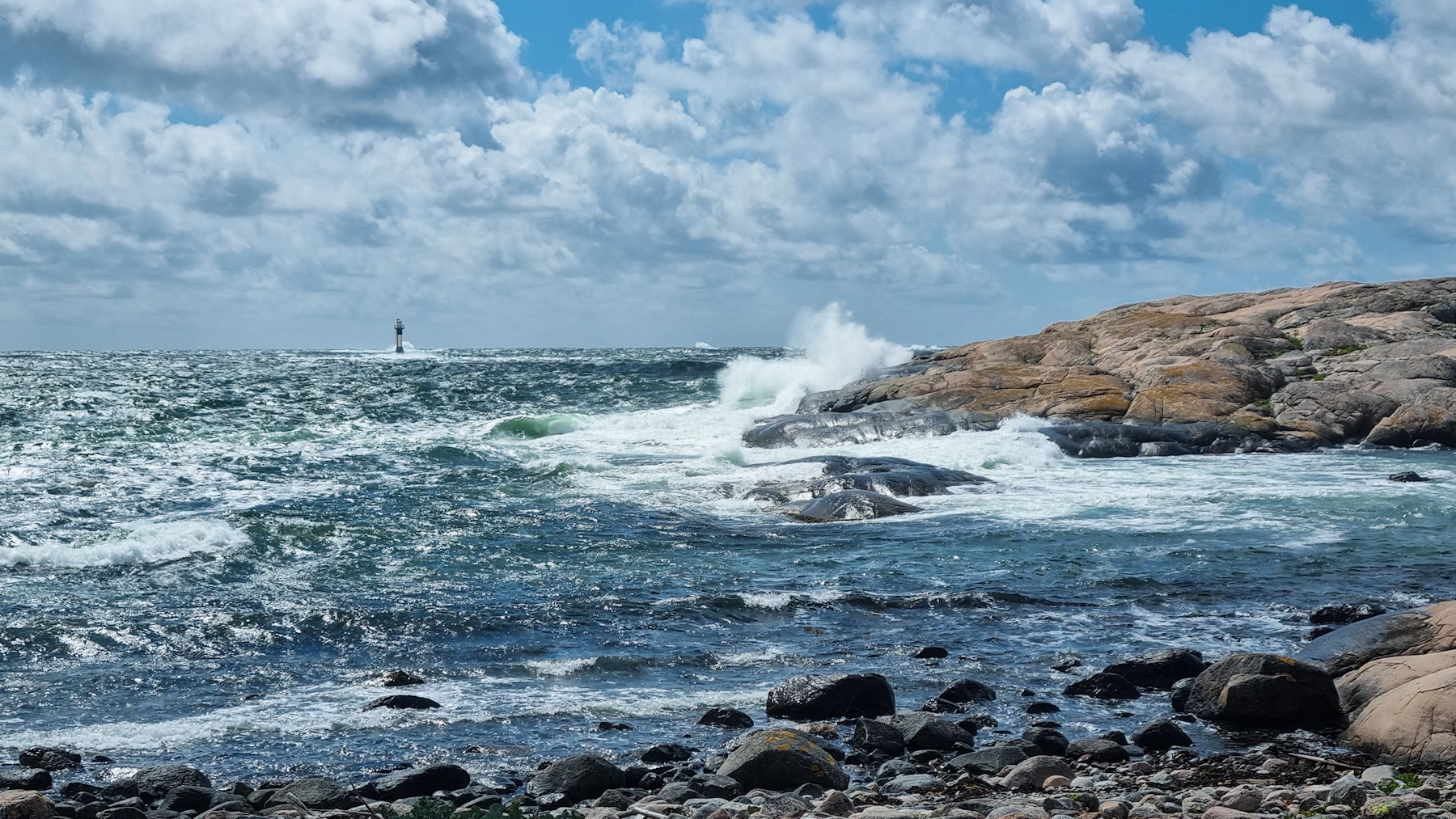
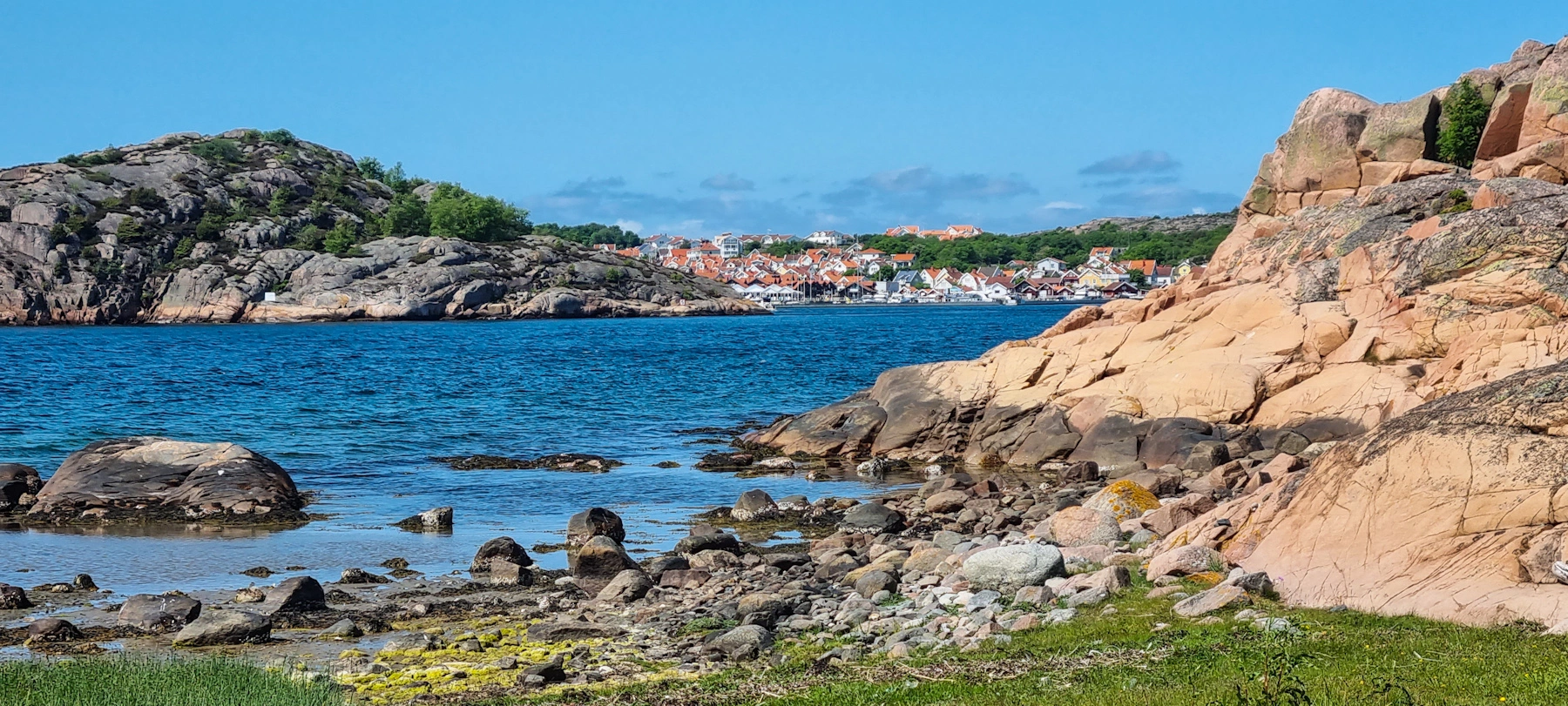
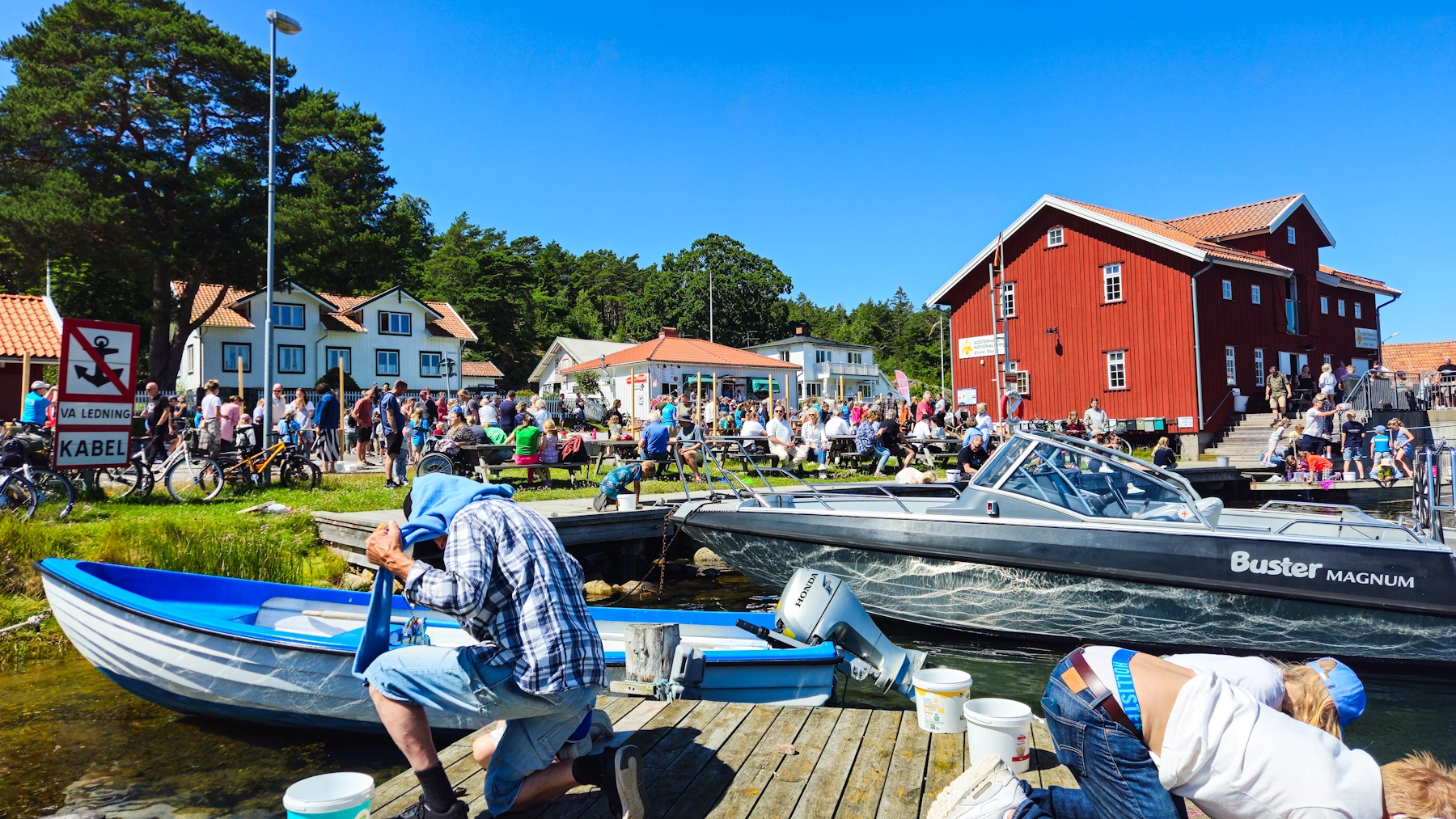
Bohuslän is a very versatile coastal landscape on the Skagerrak. On the seaward side, the landscape is characterized by thousands of islands and skerries, rocky coasts, and several deep, long fjords. Added to this, of course, are the many small, sometimes very famous coastal towns (think Smögen, Marstrand, Grebbestad, Strömstad, etc.). It’s a very diverse coastal landscape with many nuances. Partly soft rocky landscapes that then run abruptly into the sea, partly hilly forests that go right down to the water. And countless variations in between.
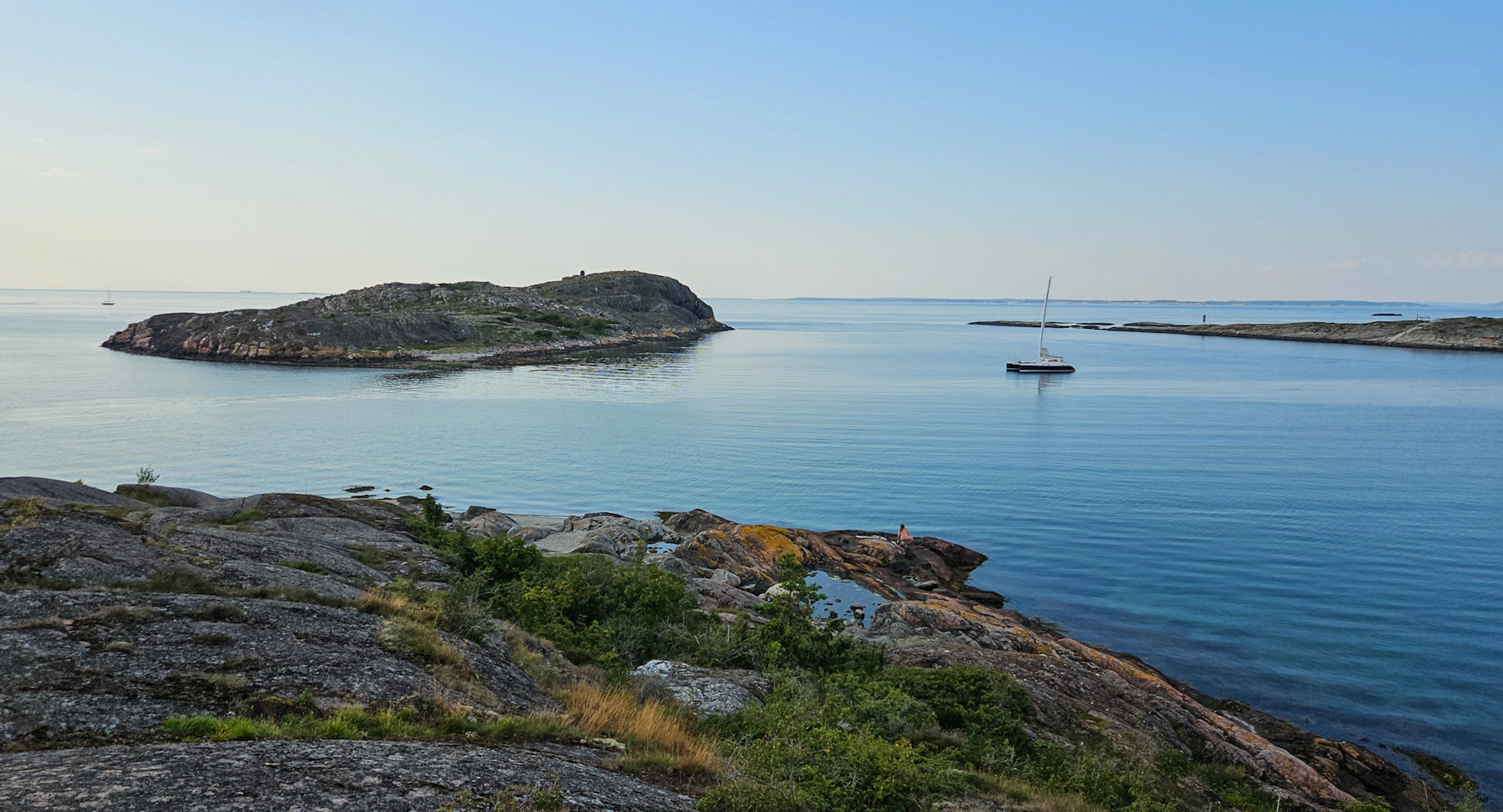
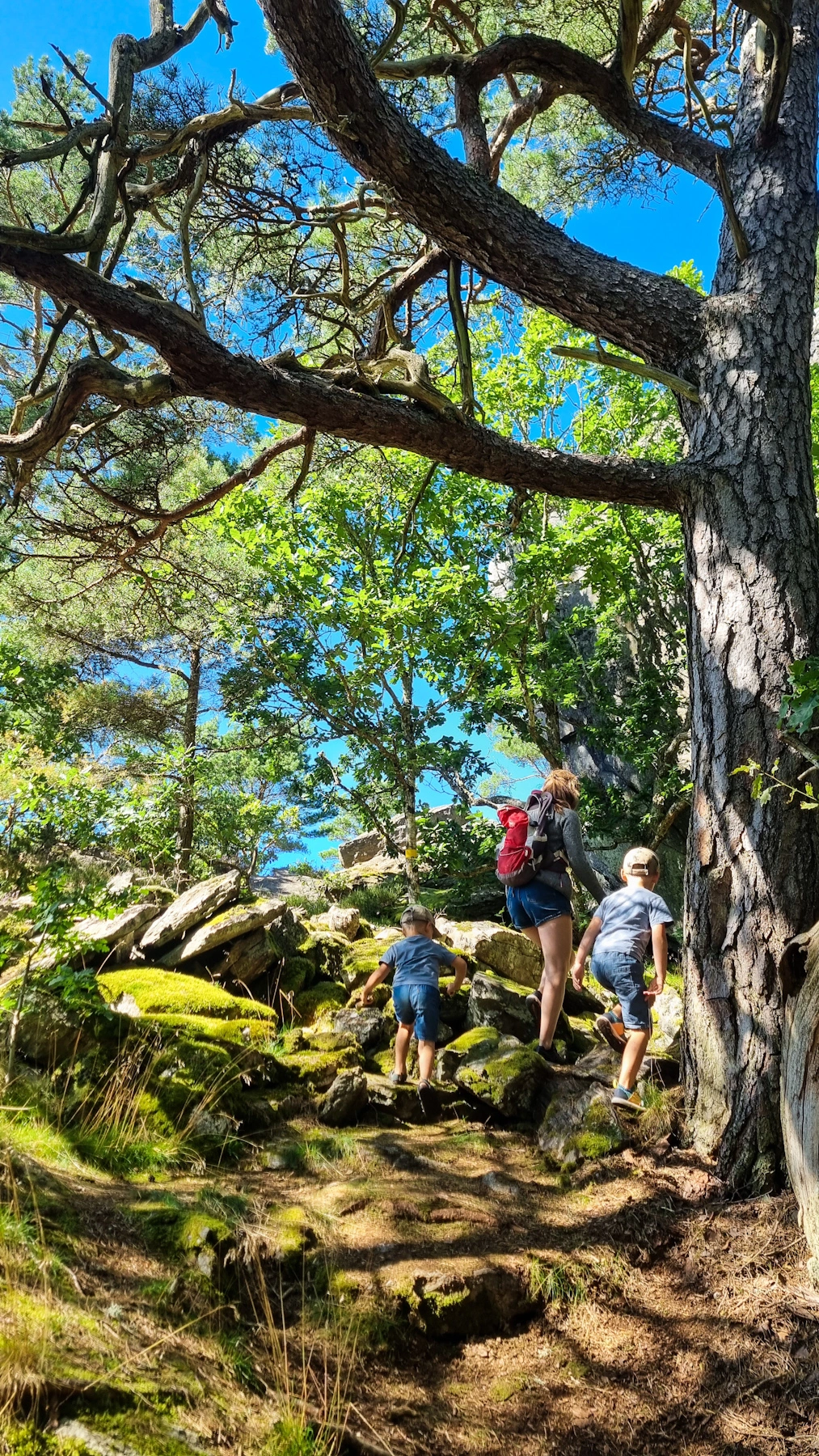
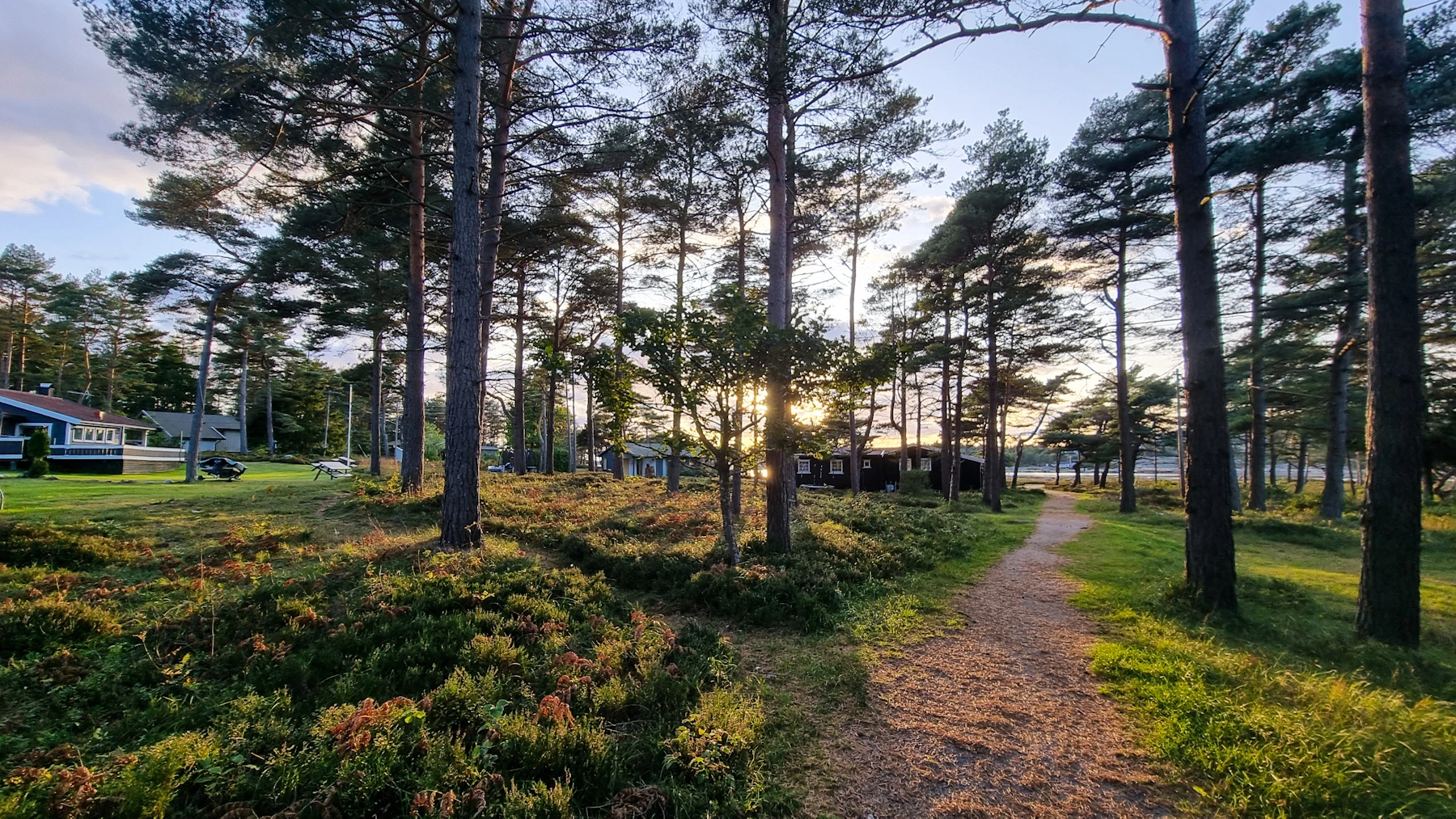
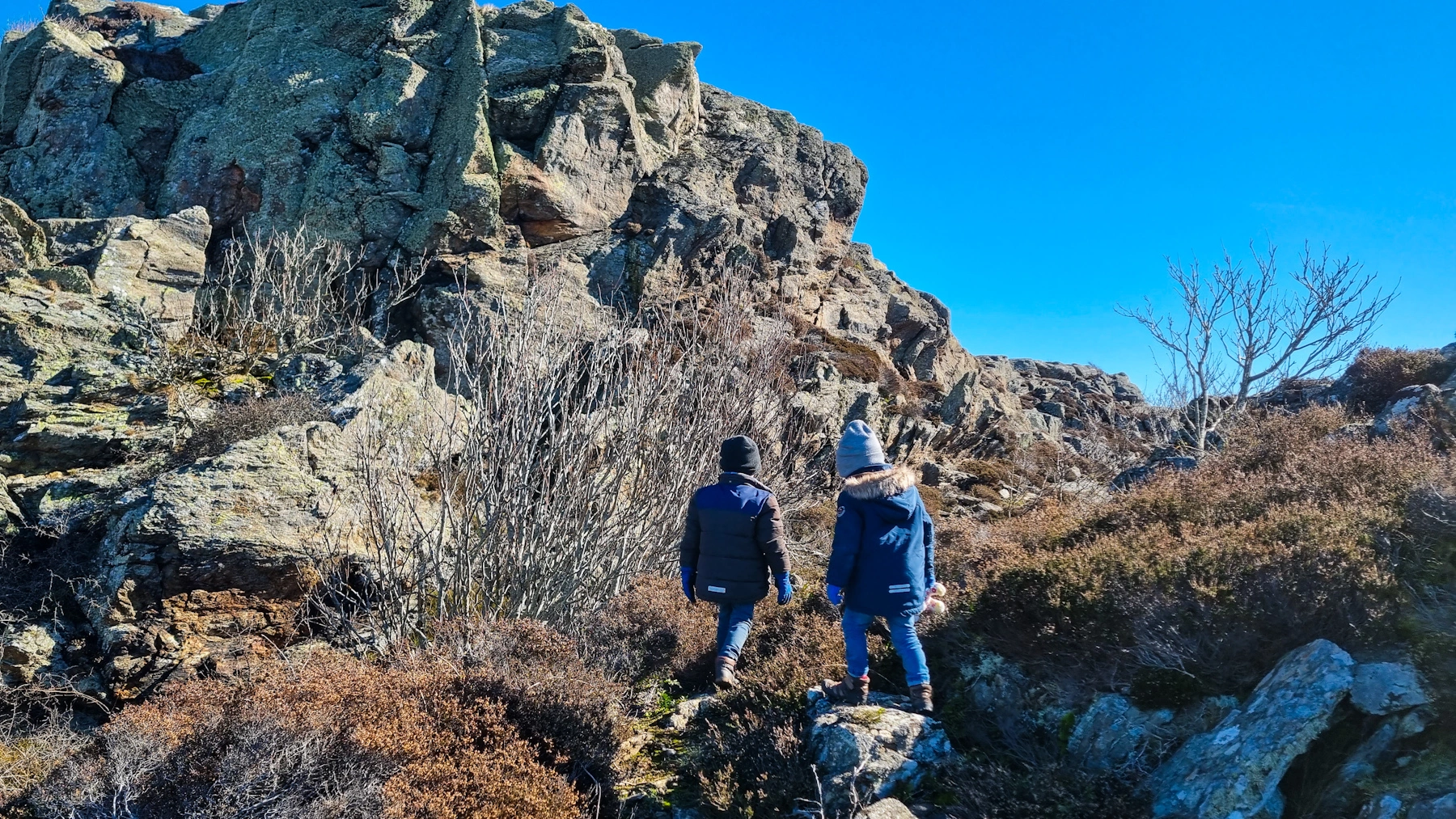
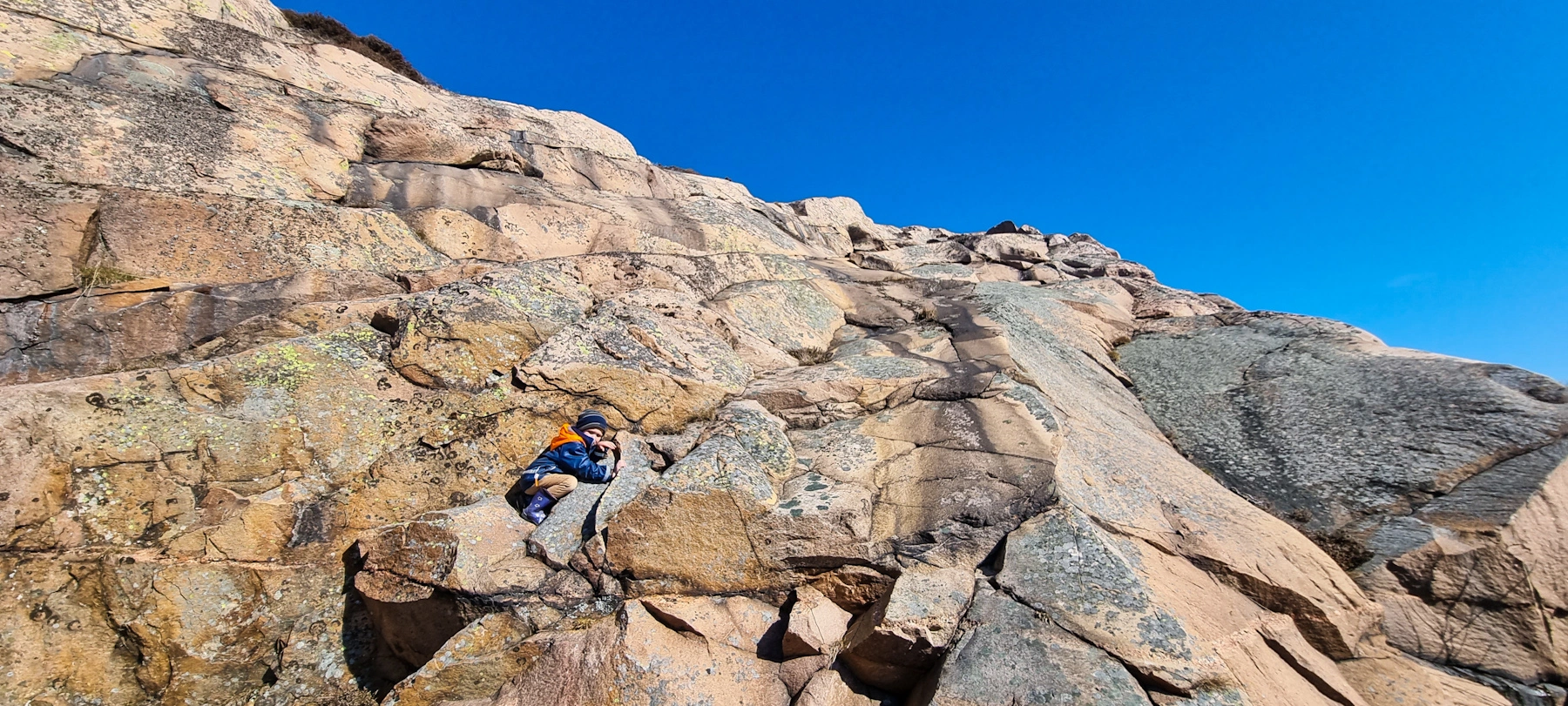
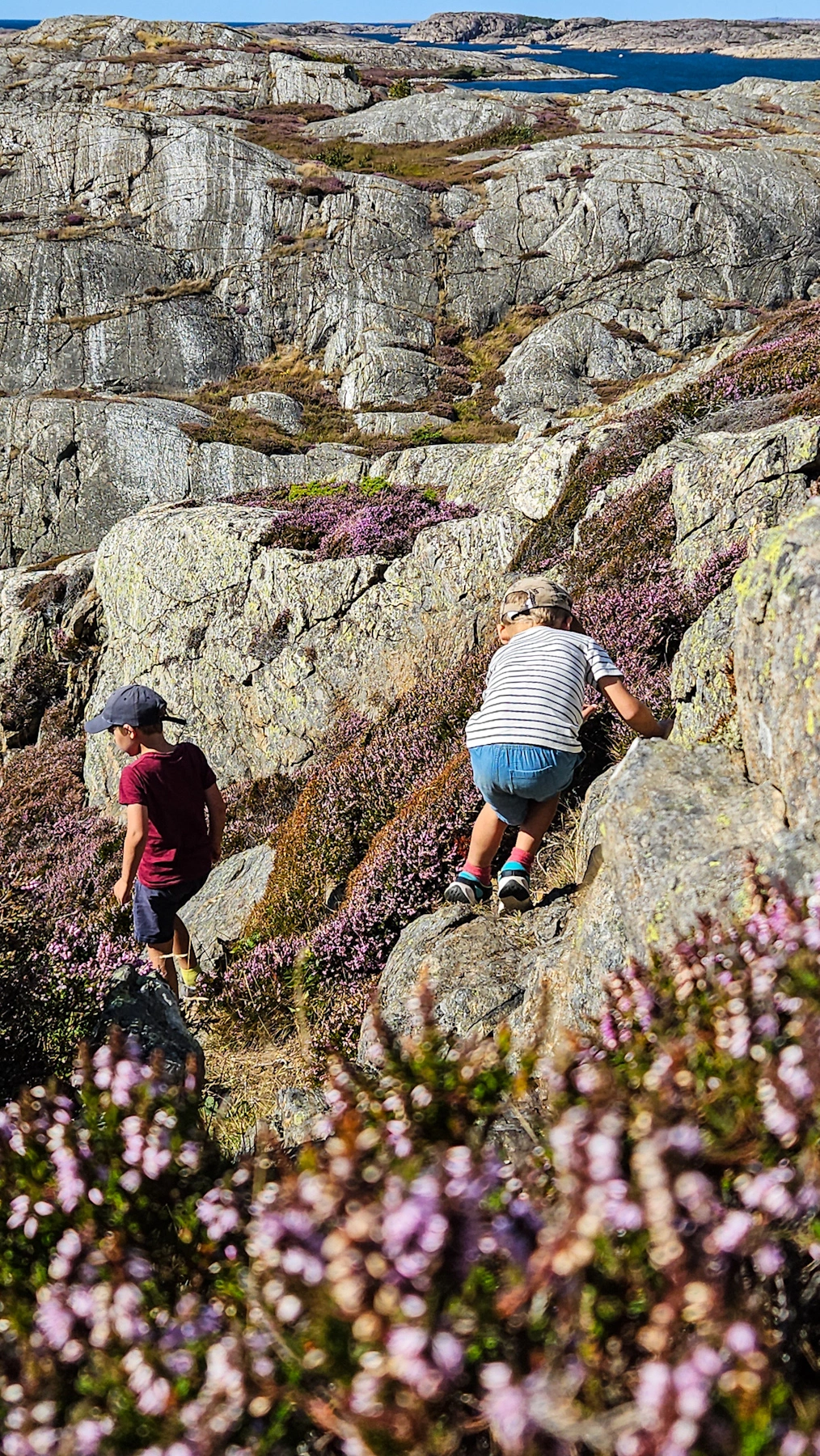
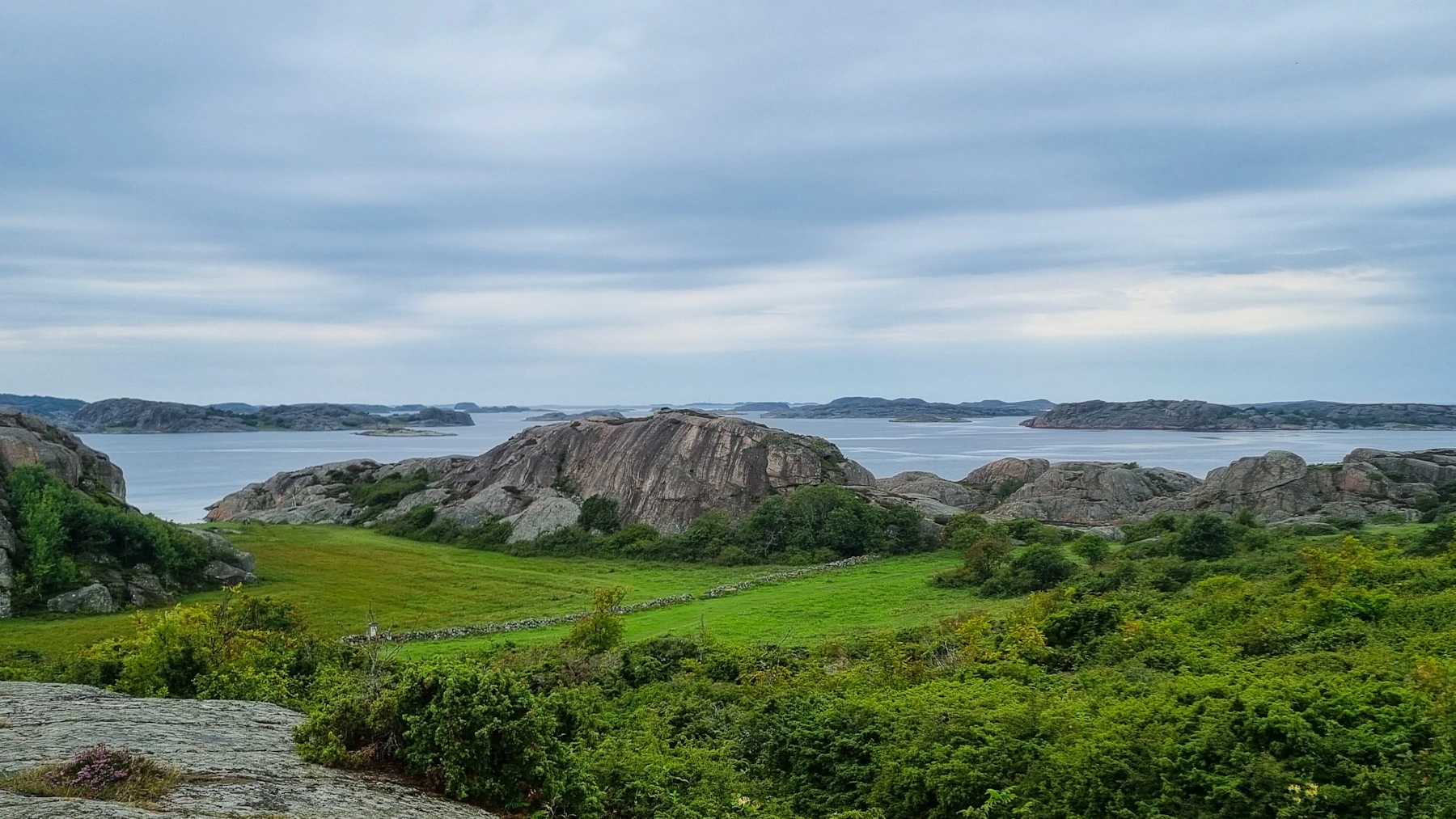
I divide the interior into two parts: on the one hand, the area near the coast up to about 15 kilometers inland, and on the other, the hinterland. For me, the area near the coast is particularly special: it is heavily forested, but also characterized by smaller fields and meadows. It’s hilly and dotted with rock faces and rocky cones that seem randomly distributed across the landscape. Everything is very small-scale. The roads are winding, go up and down, and you rock yourself wonderfully into the landscape on a car journey. The character of the landscape, shaped by the rock formations, is also reflected in the area’s reputation for climbing: Bohuslän is considered the area in the North for rock climbing par excellence.
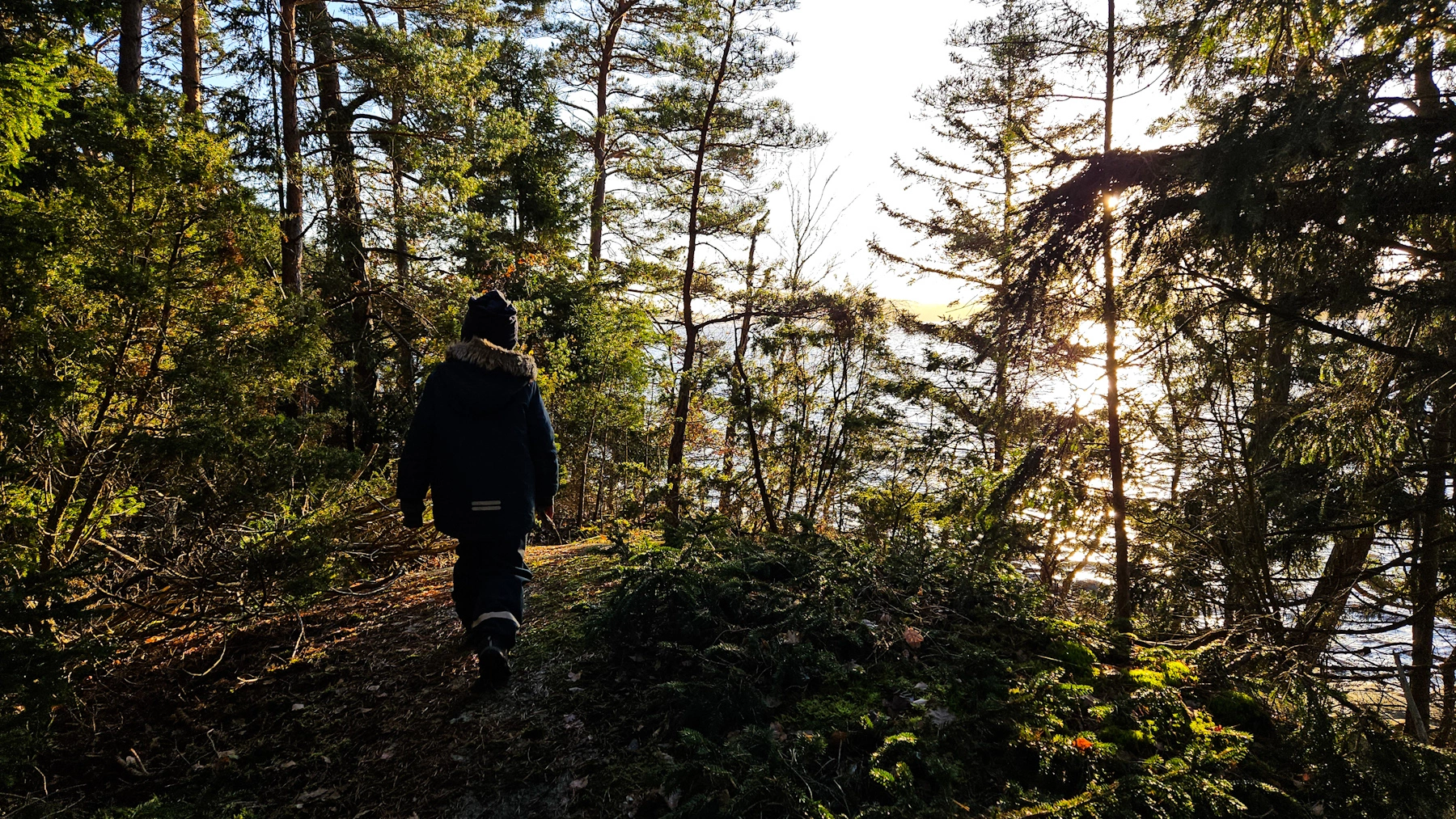
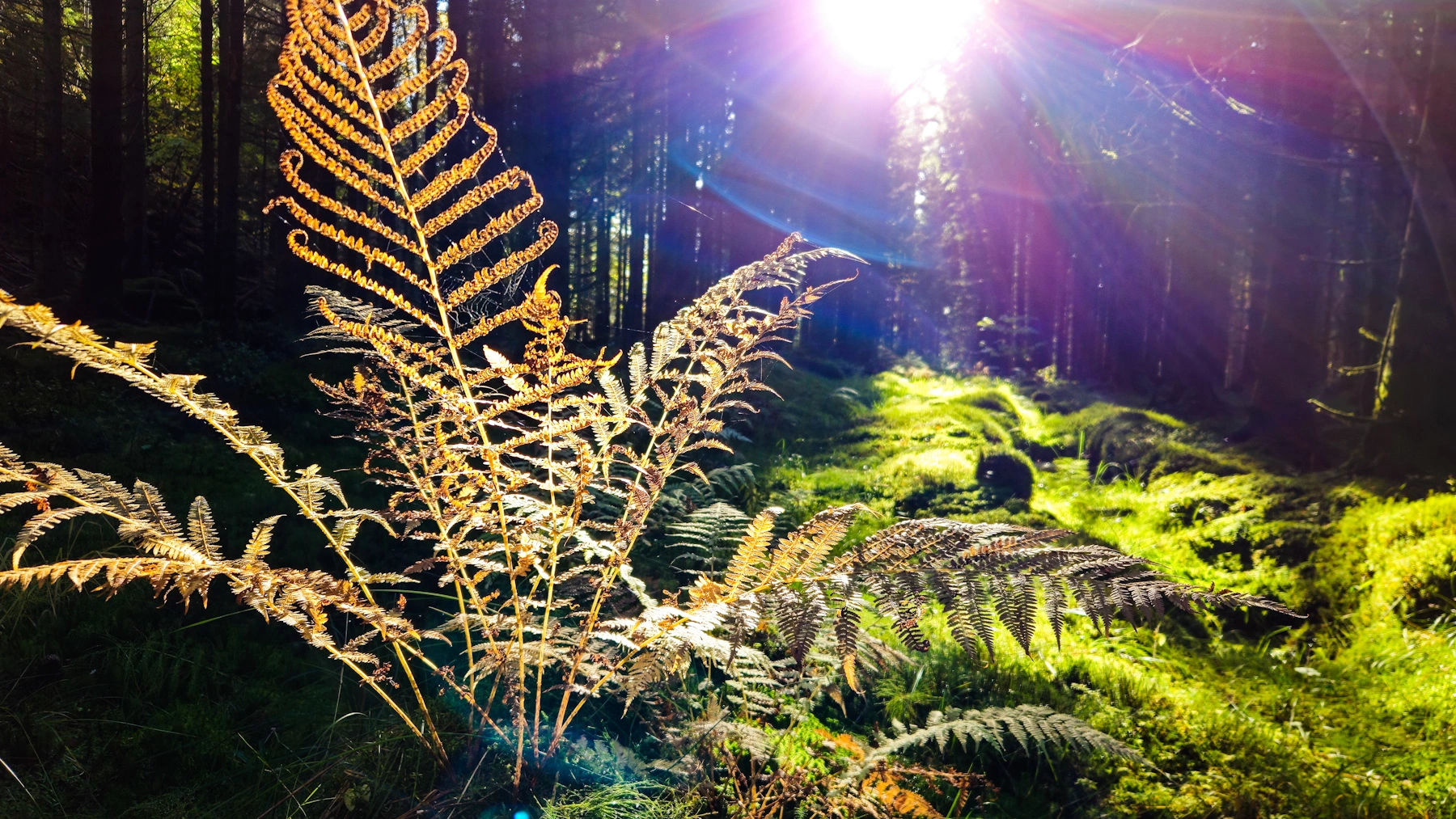
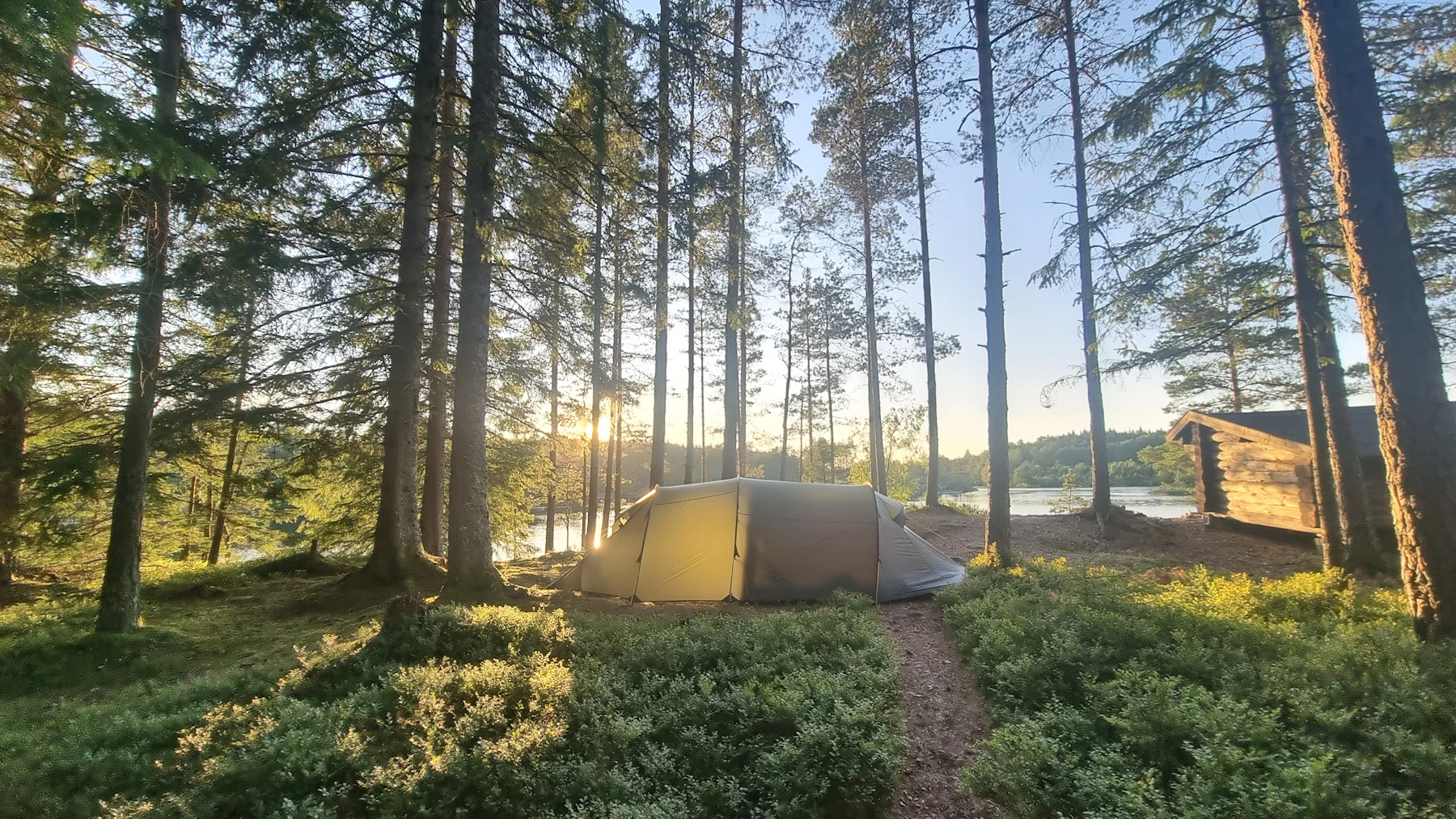
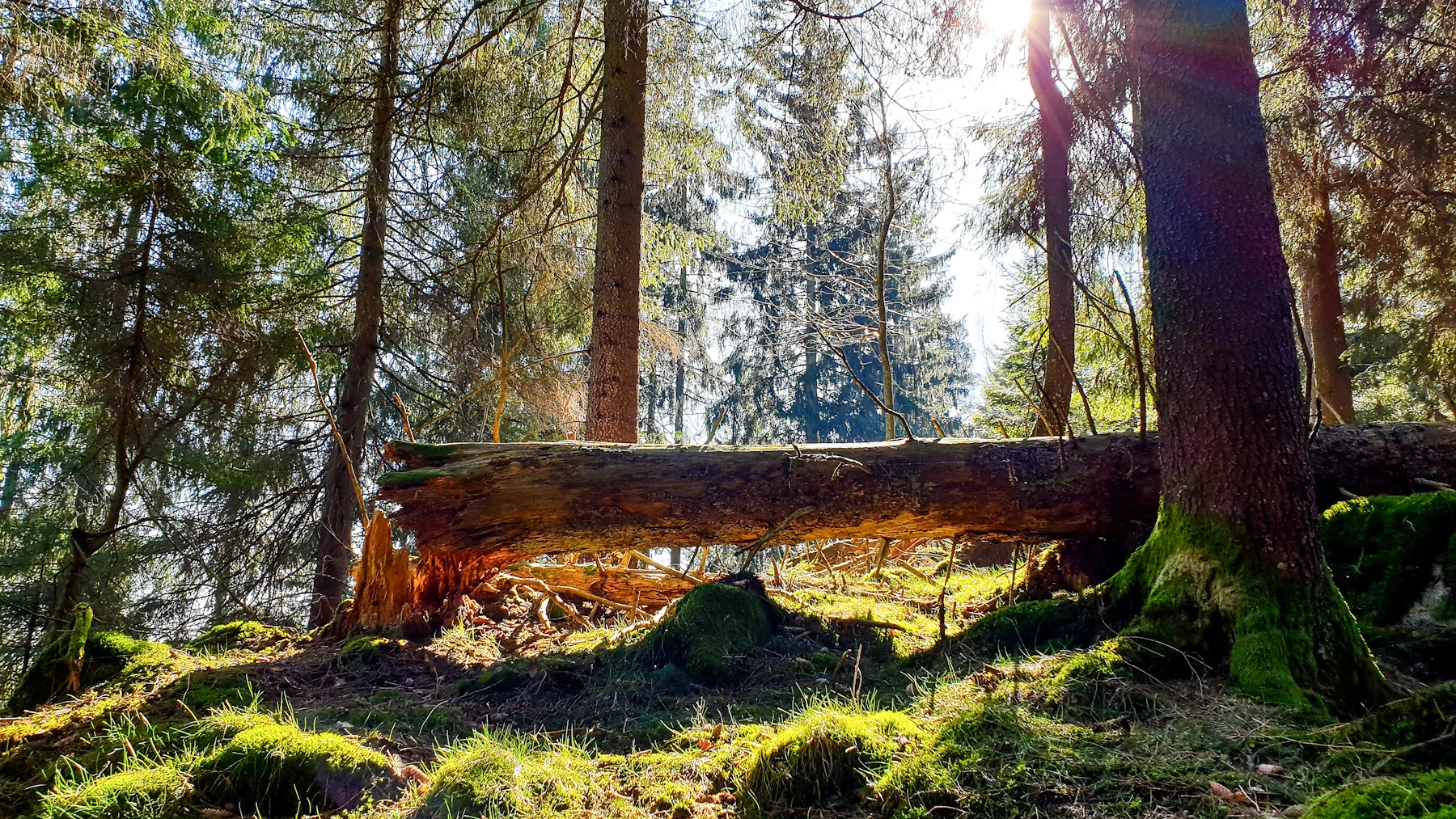
The hinterland is then a little more settled. It’s not quite as varied. The stretches of land are broader and not subject to as many changes. Forests predominate – but some of them are real highlights. For example, there are several nature reserves that have the term “Fjell” in their name for a reason (Kynnefjäll, Herrestadsfjället): the name dates back to the time when Bohuslän was under Norwegian rule and the occupiers believed they recognized Norwegian, barren plateaus in the landscape. And indeed, I can understand this connection: lichens, mosses, loosely grouped birches and pines, along with bare rocks and plenty of small, clear lakes can certainly be reminiscent of Norwegian mountain landscapes.
Dalsland – Sweden in miniature
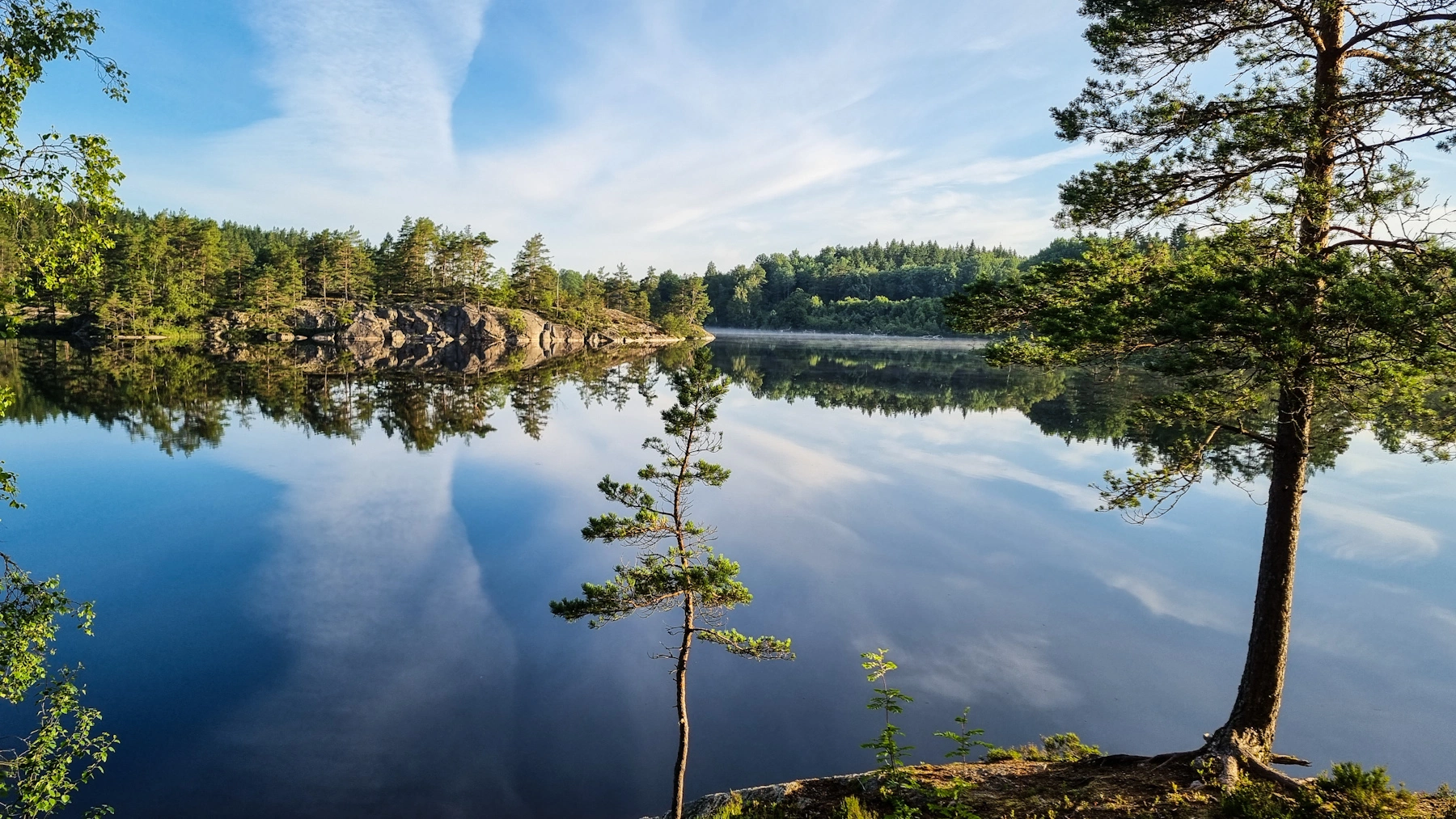
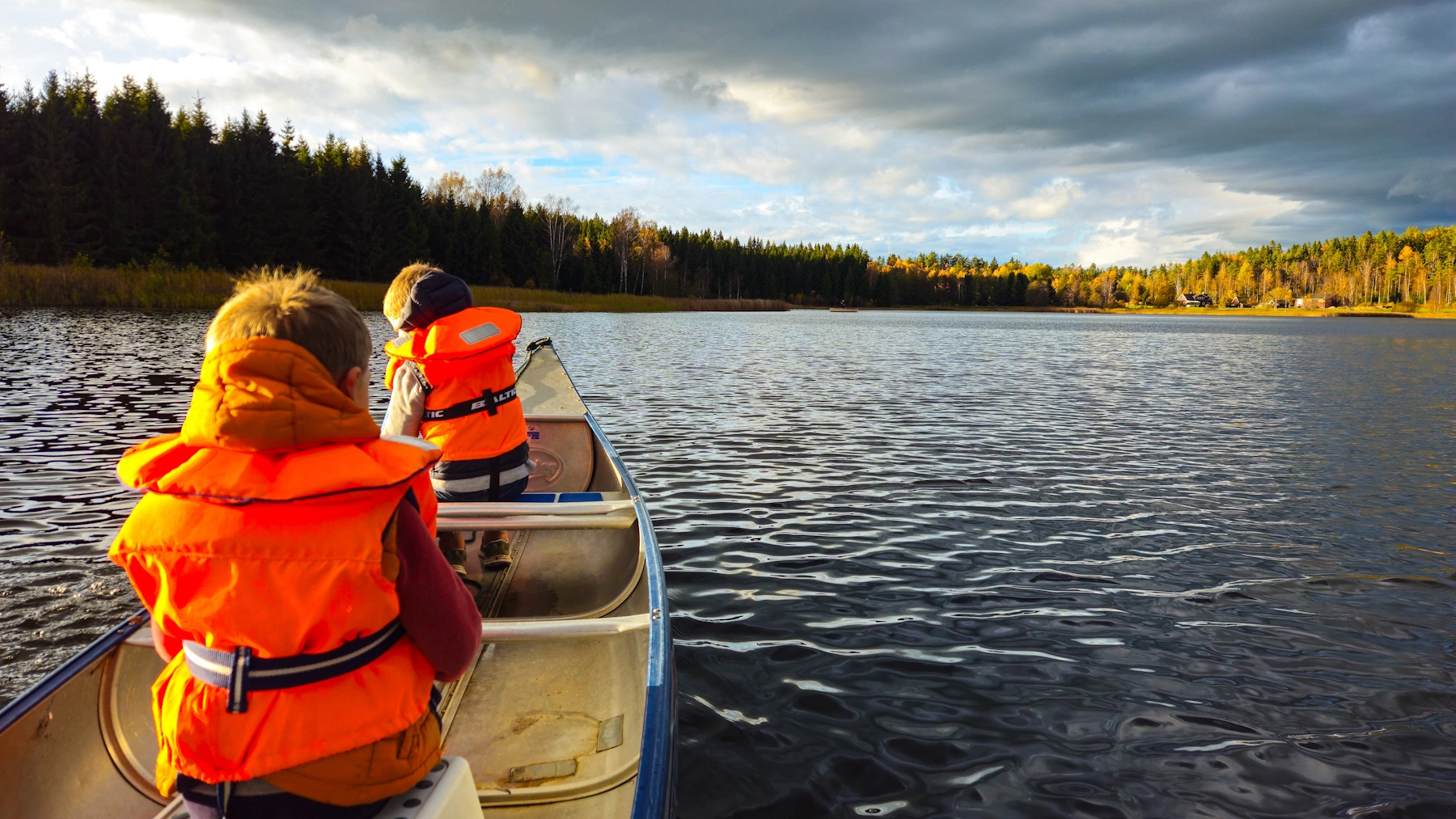
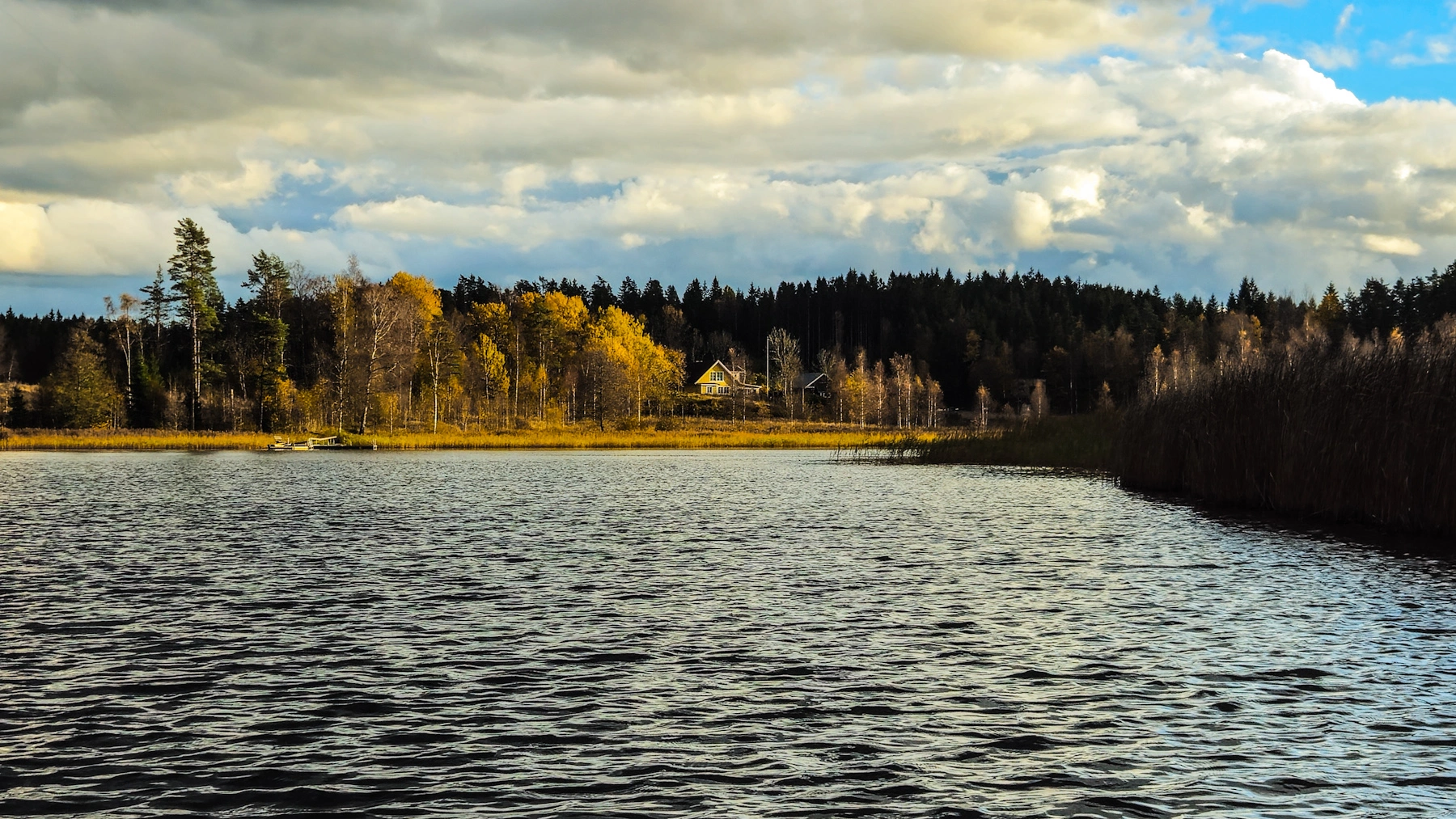
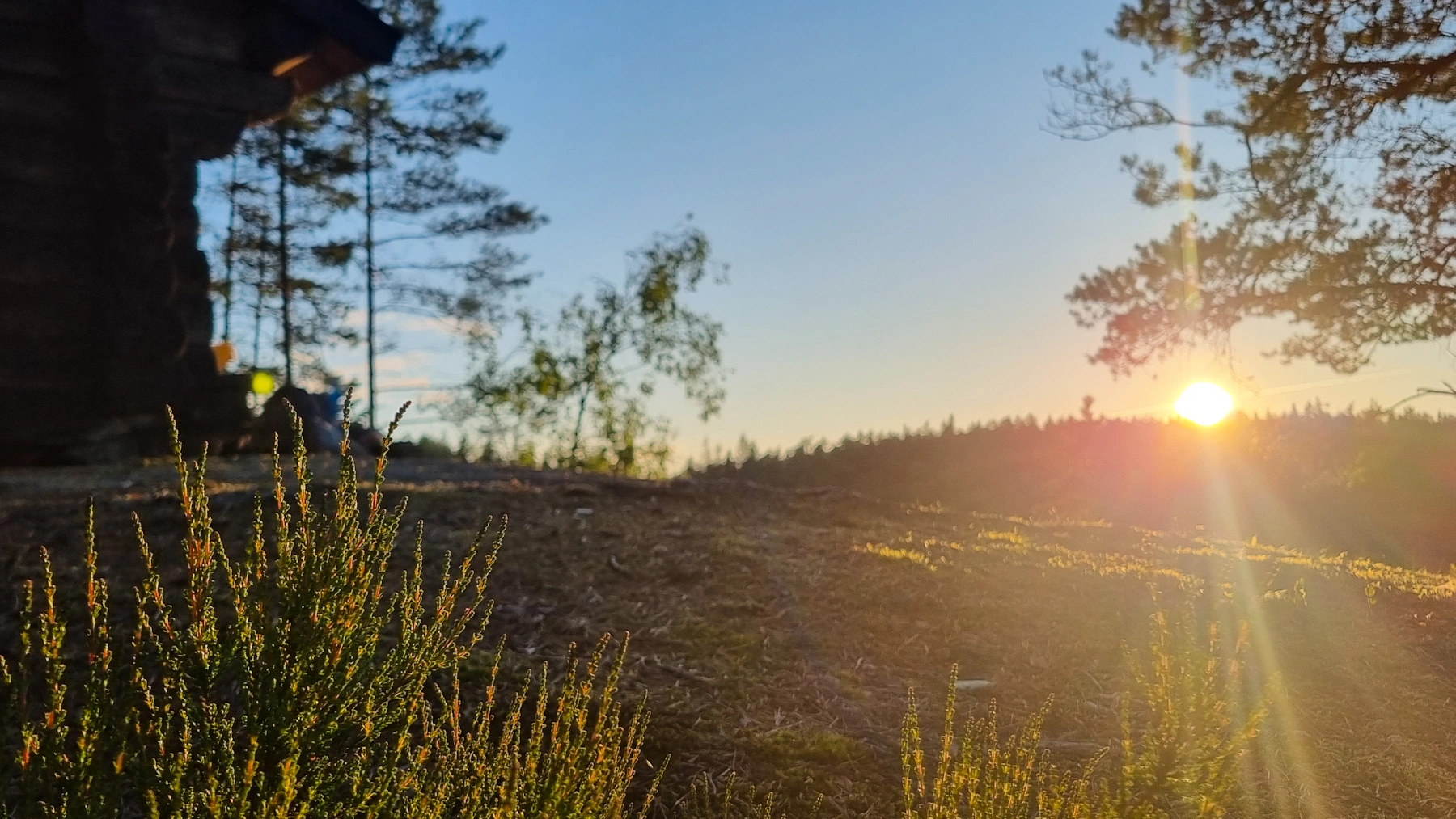
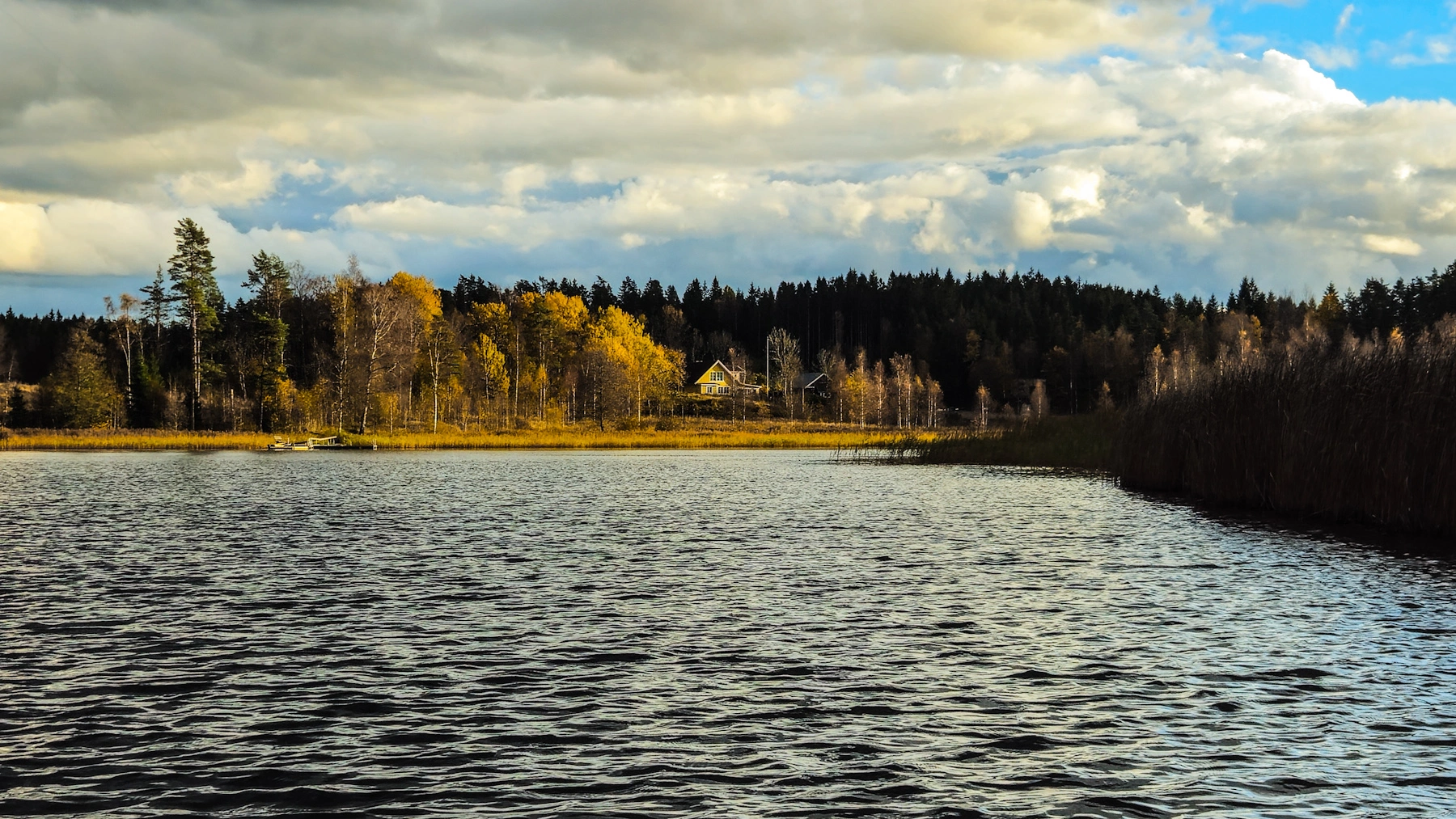
Dalsland, also known as Sweden in miniature, is one of my places of longing. If you exclude the agriculture-dominated, rather unspectacular southeast, the rest of this stretch of land is all the more beautiful. Located between the western shore of Vänern (Sweden’s by far largest lake, 10 times larger than Lake Constance) and the coastal area of Bohuslän, you’ll find everything here that you associate with Sweden: lots of water, lots of trees – and hardly any people. This is manifested, among other things, in Southern Sweden’s largest wilderness area, the Kroppefjell. Economically, the region is considered quite isolated, but that shouldn’t bother the nature lover. The landscape is gloriously green, gently undulating, and crisscrossed with hundreds of lakes. Between the few noteworthy towns – such as Ed, Bengtsfors, and Billingsfors – not much happens besides landscape, and that’s a good thing.
Life on the border
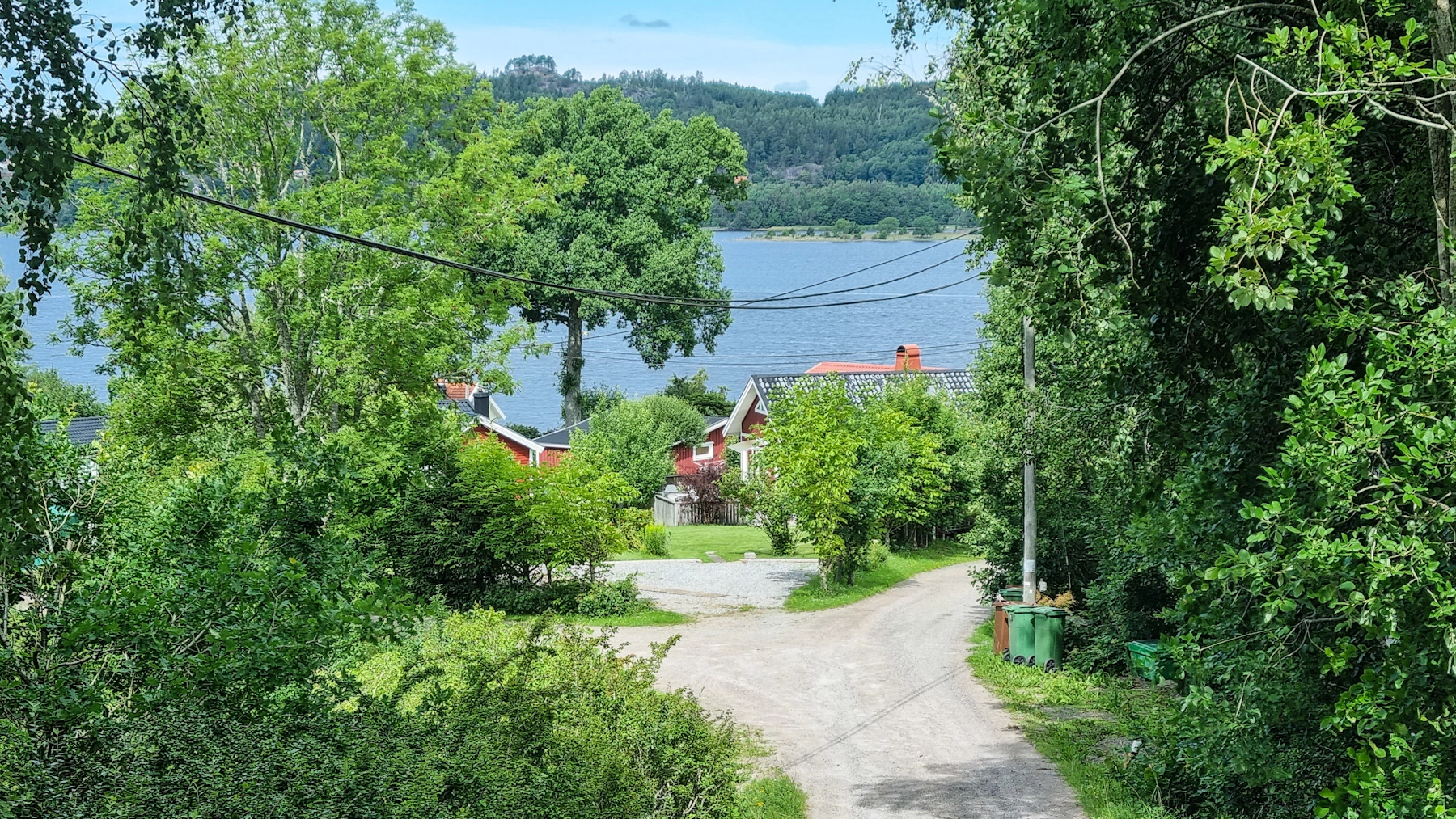
We who live in Munkedal live almost exactly on the border between these regions. Our house is located a few kilometers from the border – still in Bohuslän, but with one foot already in Dalsland.
The area not only has a lot to offer in terms of scenery but is also culturally interesting: to the west is Bohuslän, with a history shaped by life at sea (for a long time, Bohuslän had the highest widow and orphan rate in Sweden: fishing off the rocky coast without modern navigation was literally life-threatening), in the granite quarries, and on the barren fields – and to the east/northeast is Dalsland: a forest landscape that was shaped by the timber industry for a very long time. An impressive witness to this is the Dalsland Canal. A spectacular 250-kilometer-long waterway right through the deep forests and numerous long natural lakes.
Read more great articles
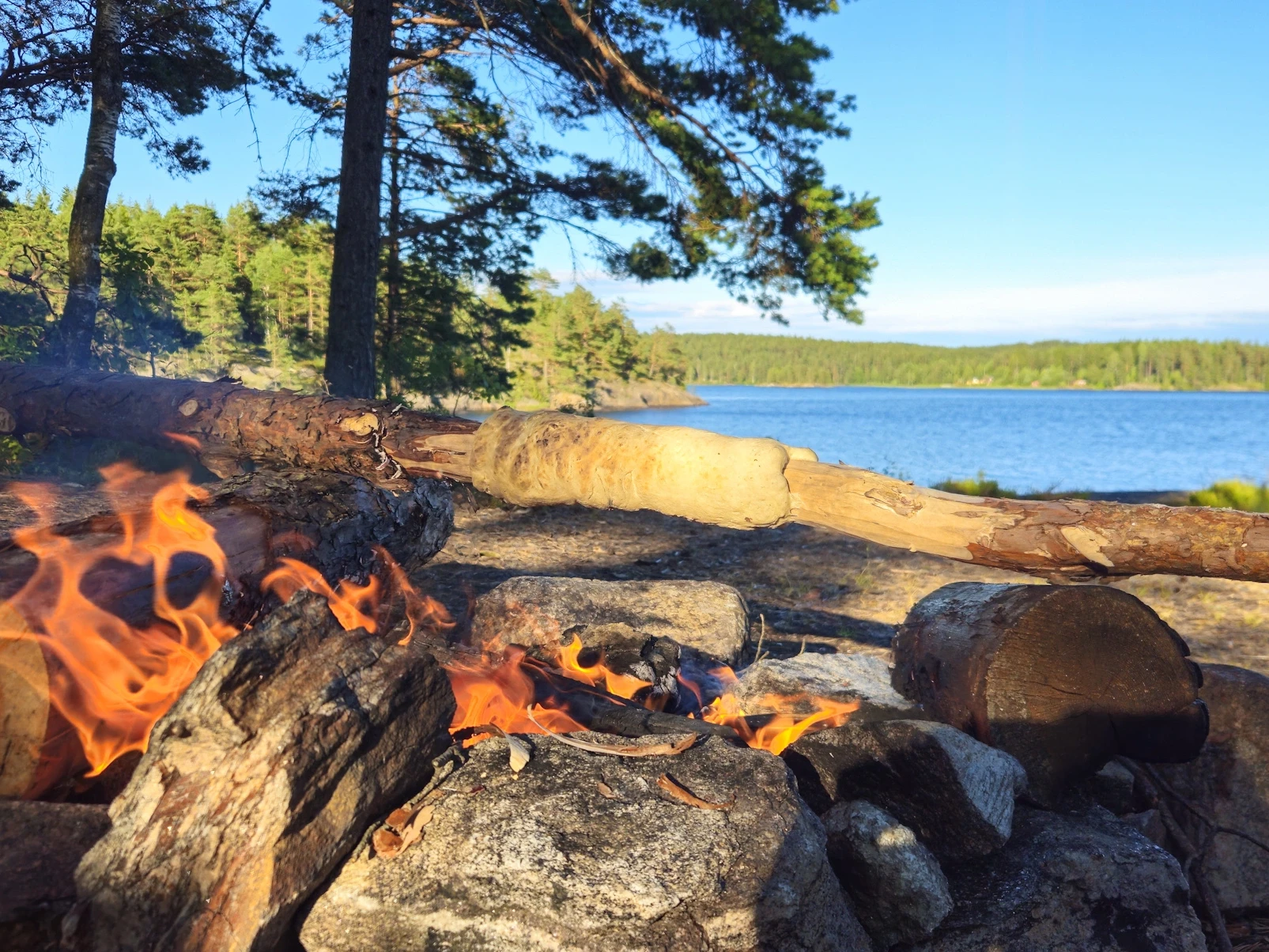
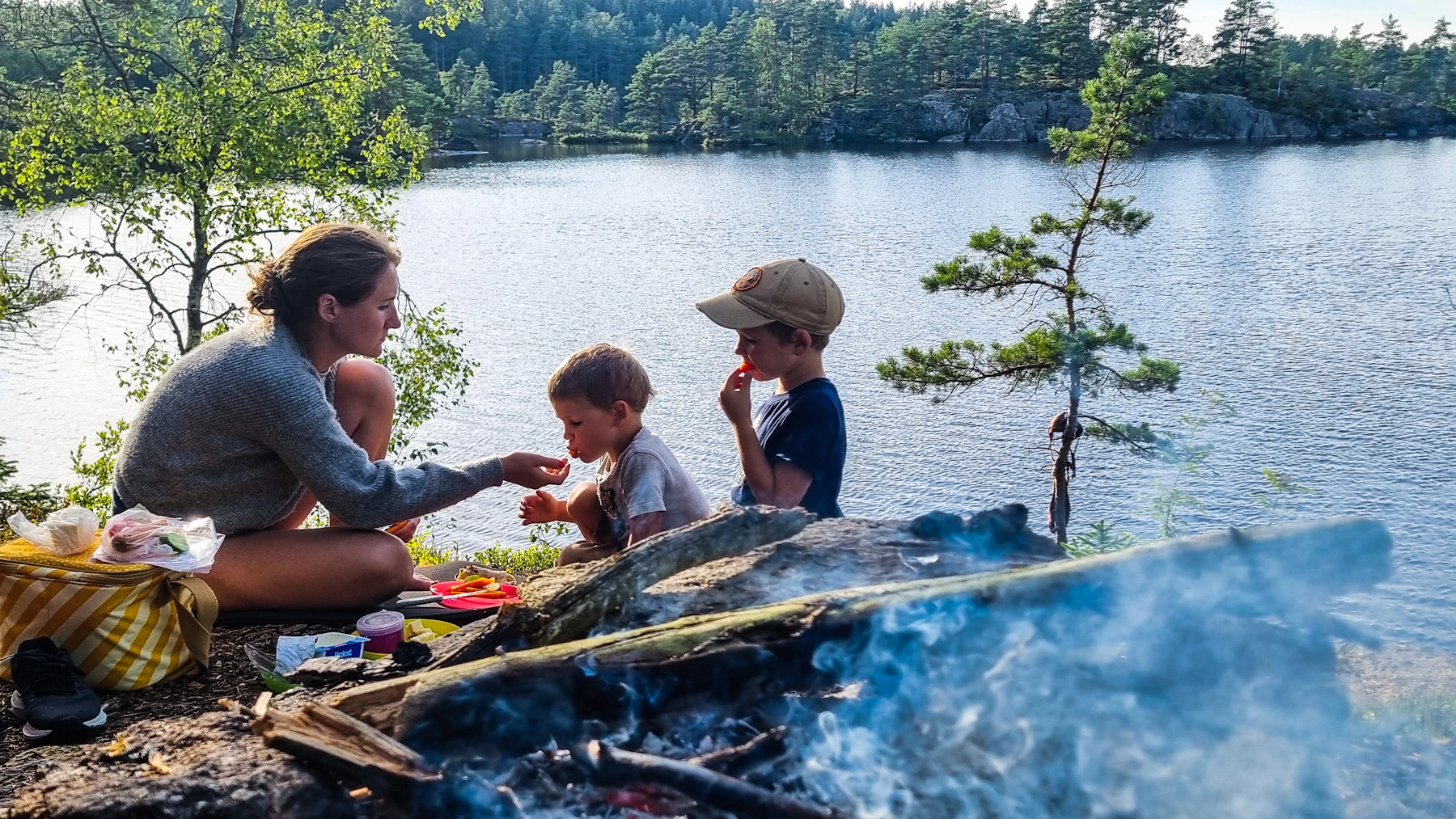
Wilderness Paddling in Western Sweden – Canoe Discovery Tour in Dalsland
Introducing: Södra and Mellersta Kornsjön – the perfect area to relax for a few days in an undisturbed waterscape, without having to travel far within Sweden!
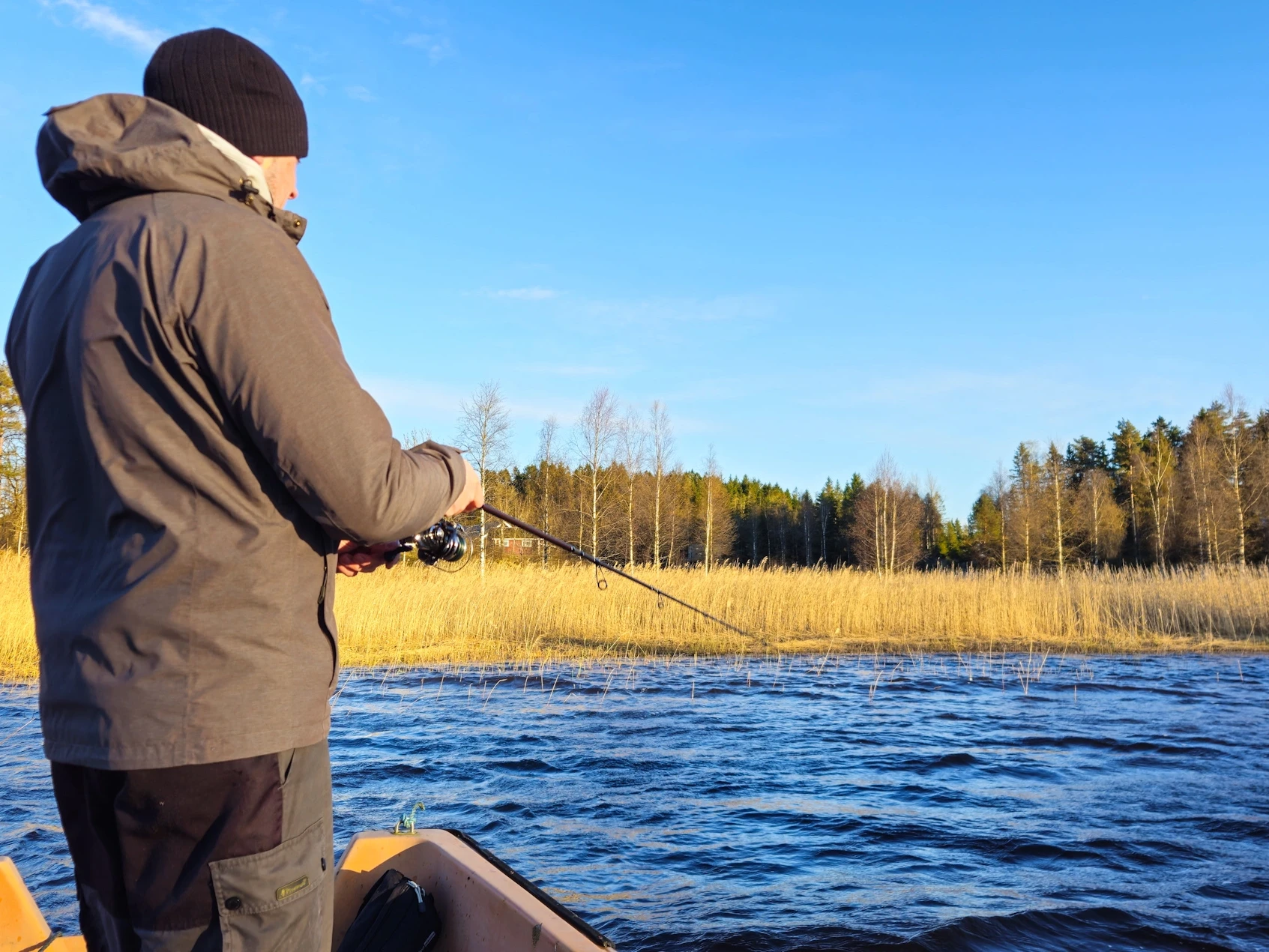
Pike Fishing in Sweden – How to Catch One Almost Guaranteed as a Beginner. The Complete Guide.
Pike are as much a part of Sweden as Pippi Longstocking or Pettson and Findus. This applies not only to the tens of thousands of passionate hobby anglers—many of whom travel from Germany each year to…
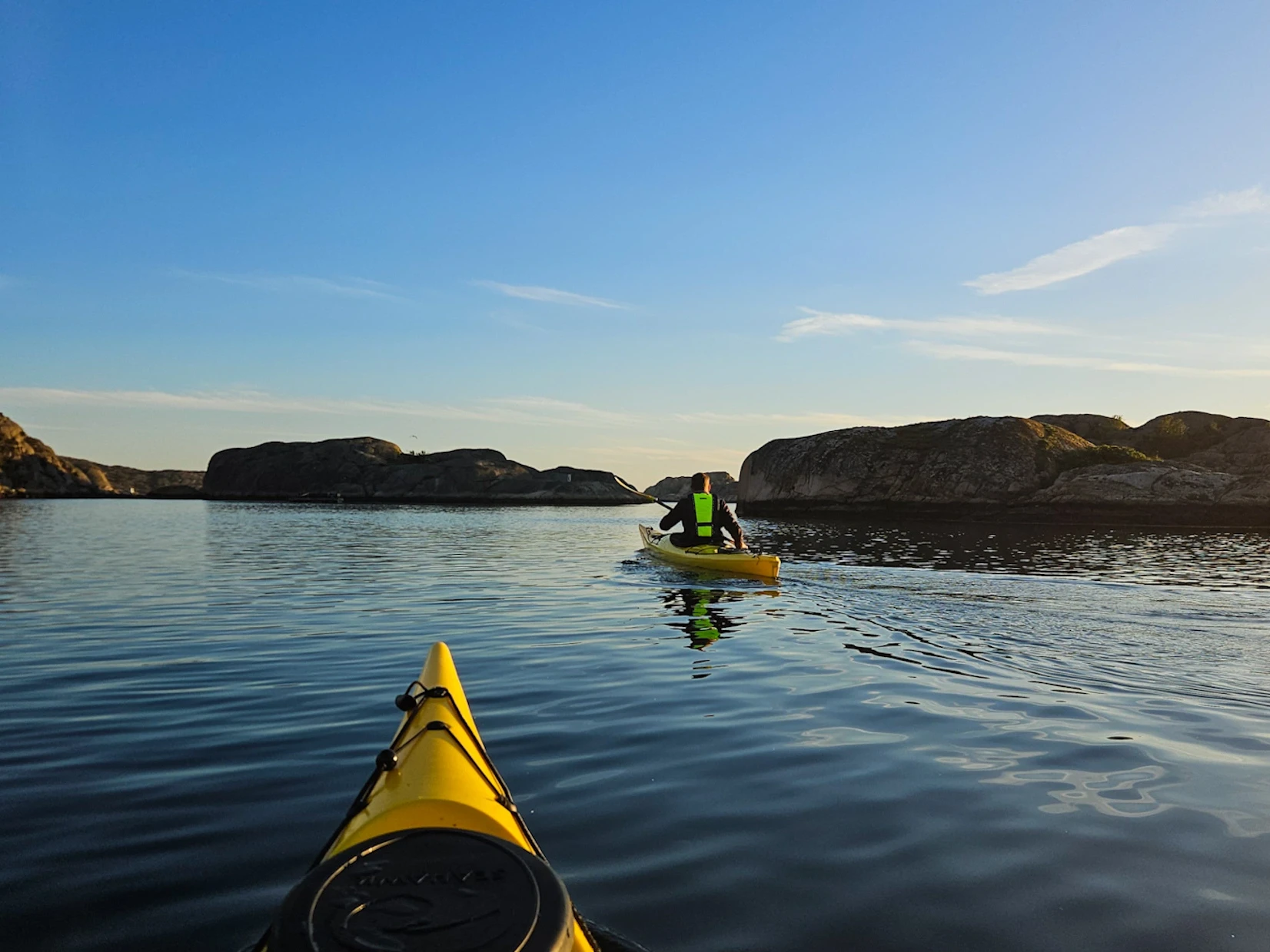
Our rental fleet is complete – Spring Canoe Test Days
Just a few weeks ago, the maiden fleet of our little "Granite & Green" paddling lineup became complete: two single sea kayaks and one 3-person canoe are now safely stored in our garage, just waiting…
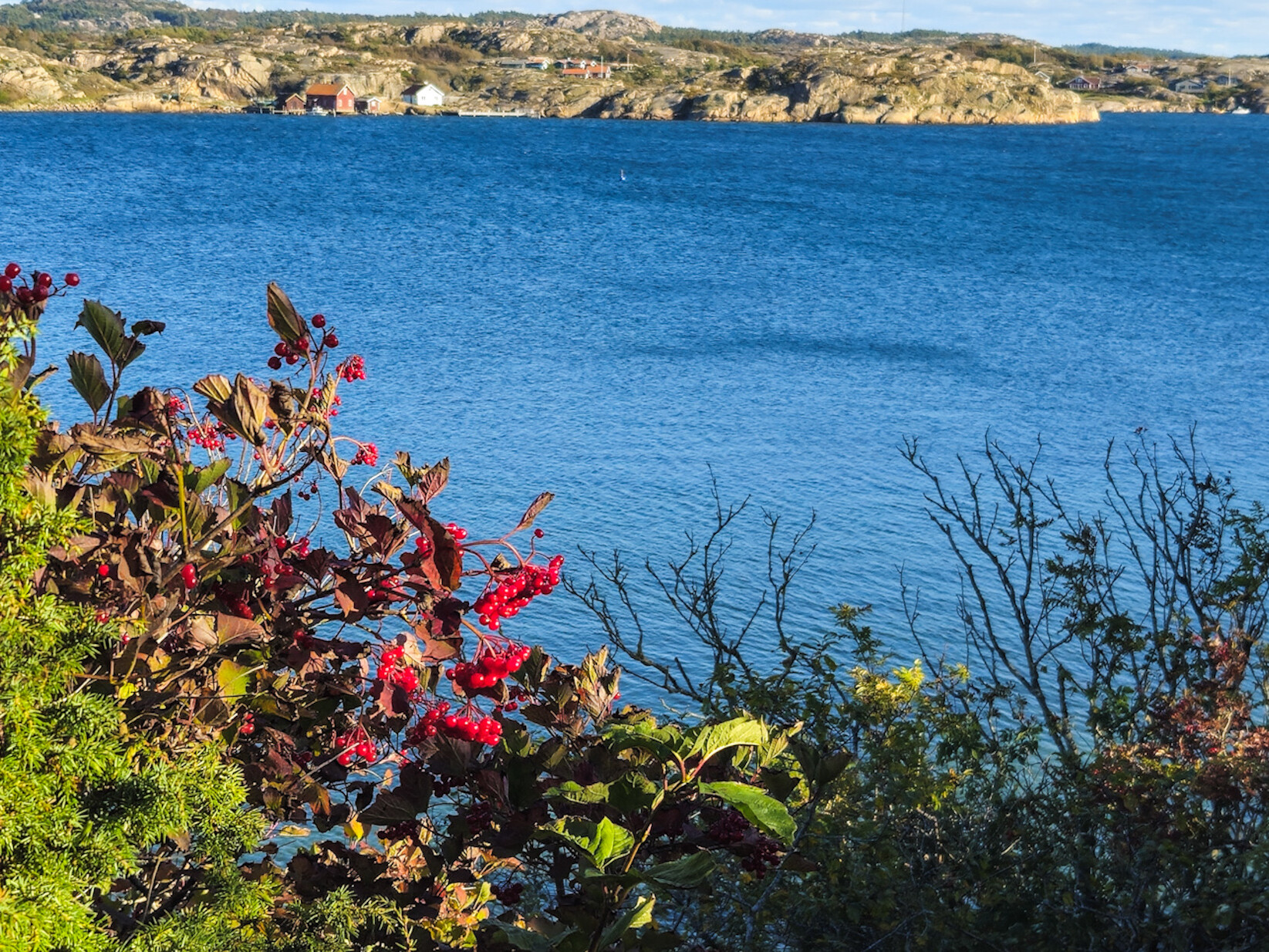
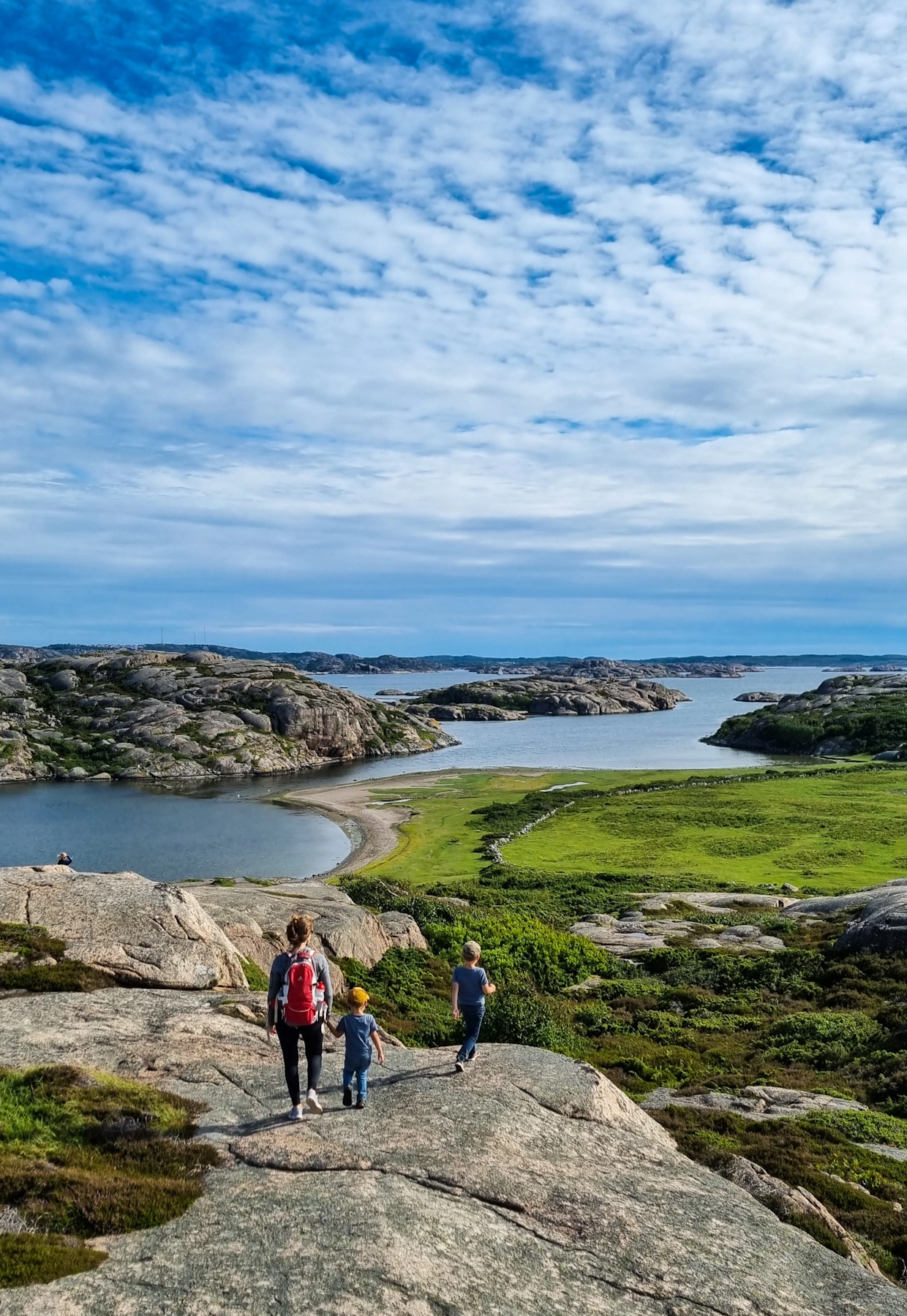
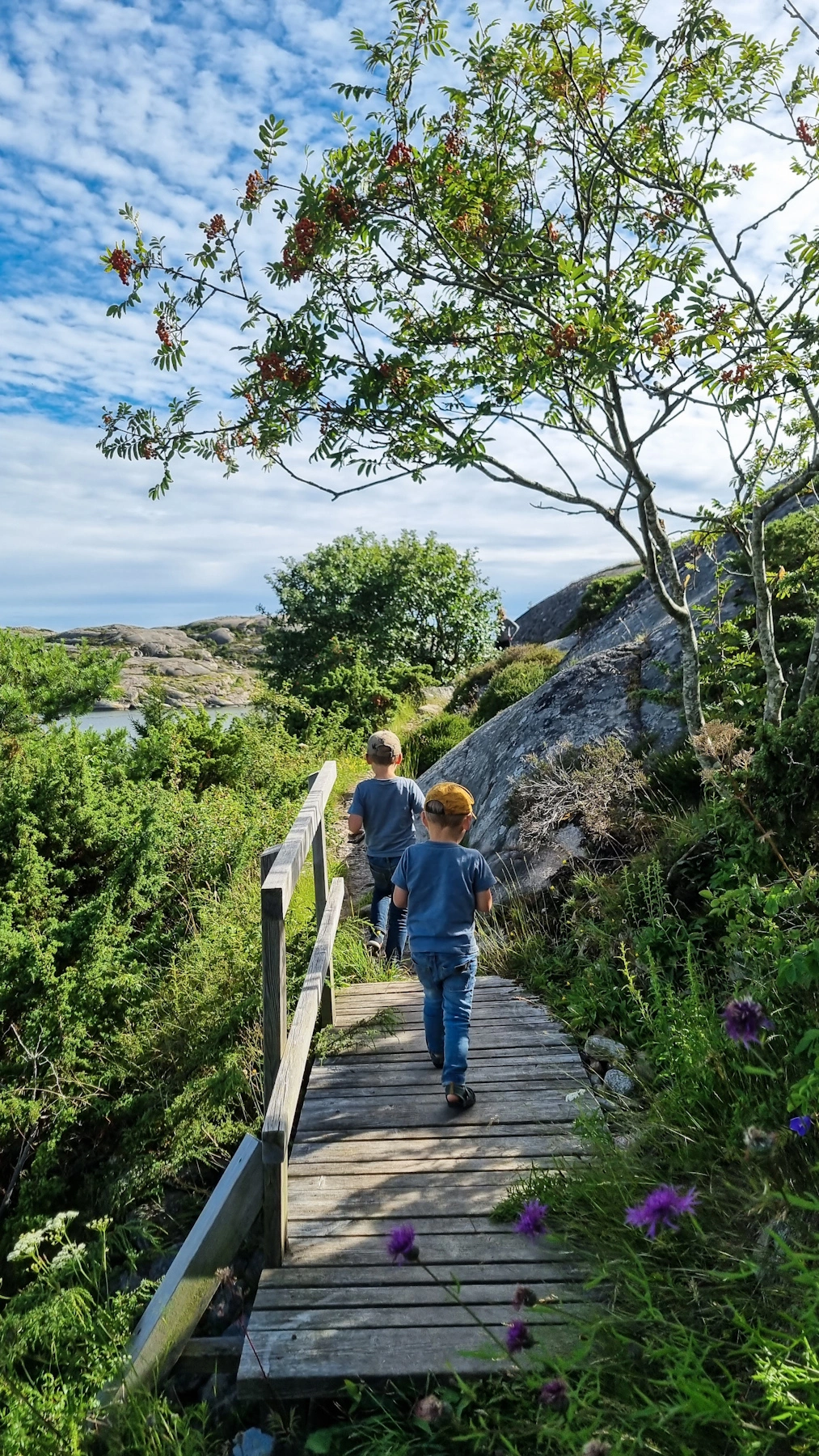
35 excursion destinations around Munkedal and in Bohuslän
Over the years, we've had the chance to get to know quite a few excursion destinations here in the area. Some are just a few minutes away from our Treeline Studio, while others require a slightly…
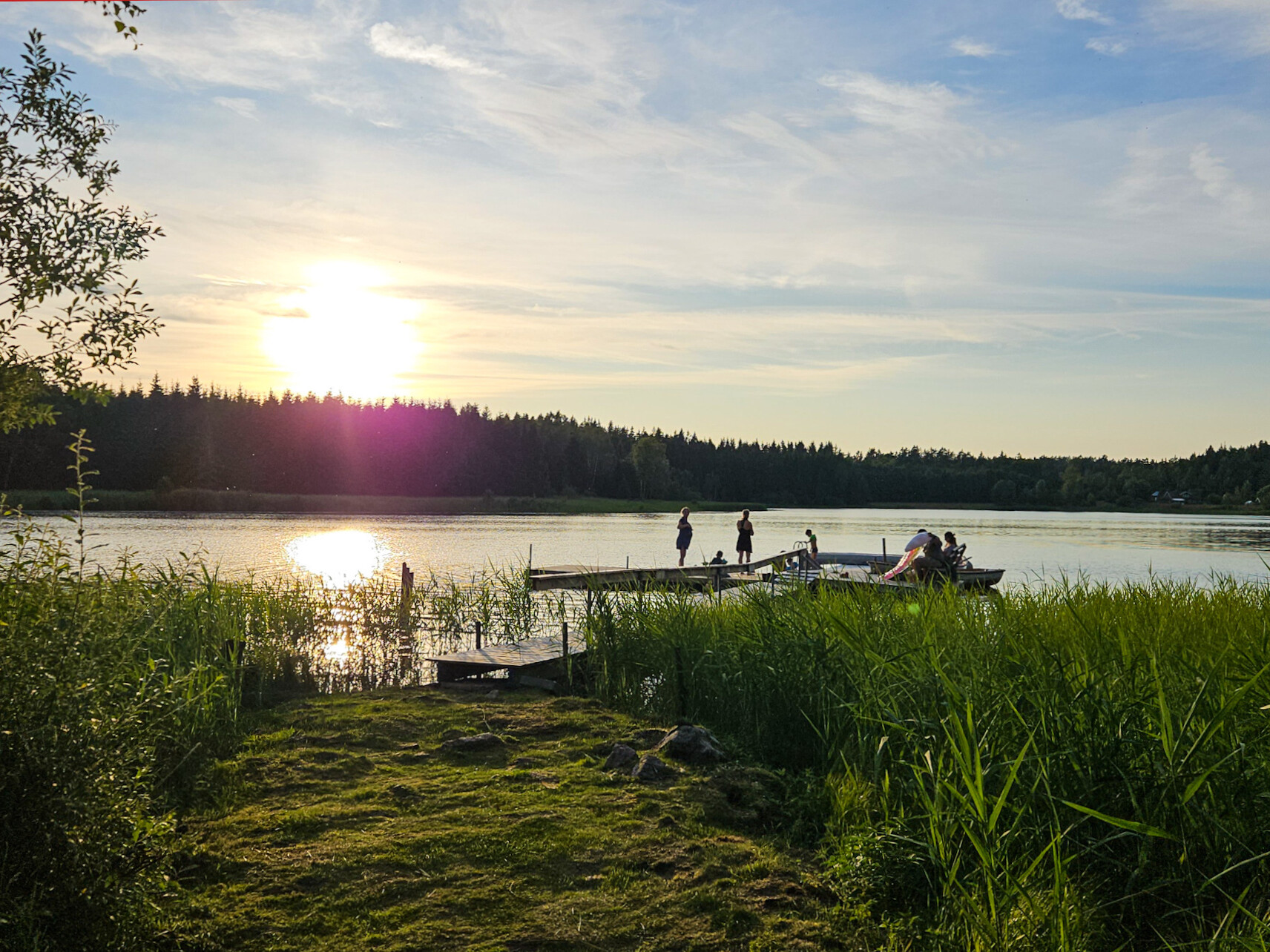
Our Lake – Fishing, Swimming, Paddling, and More Right on Our Doorstep
Having the privilege of a small, excellent fishing spot just 200 meters from your own front door is incredibly special. But keeping the uniqueness of this situation constantly in mind can be…