

Straight away: the West Swedish region of Bohuslän is different. Different from most sea trout areas you’ll find around the Baltic Sea—not flat terrain that’s only gently rolling if you’re lucky, but pure, wild variety.
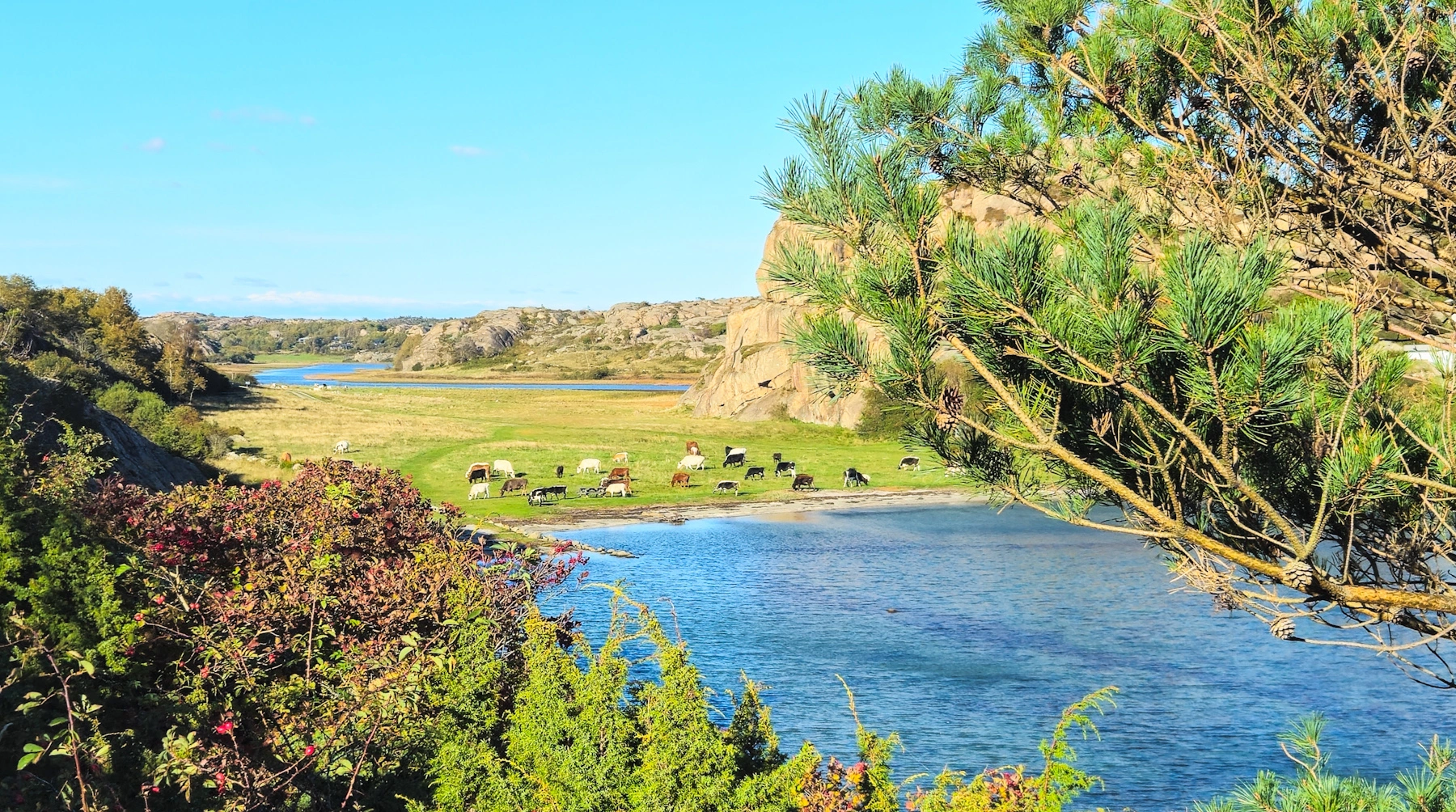
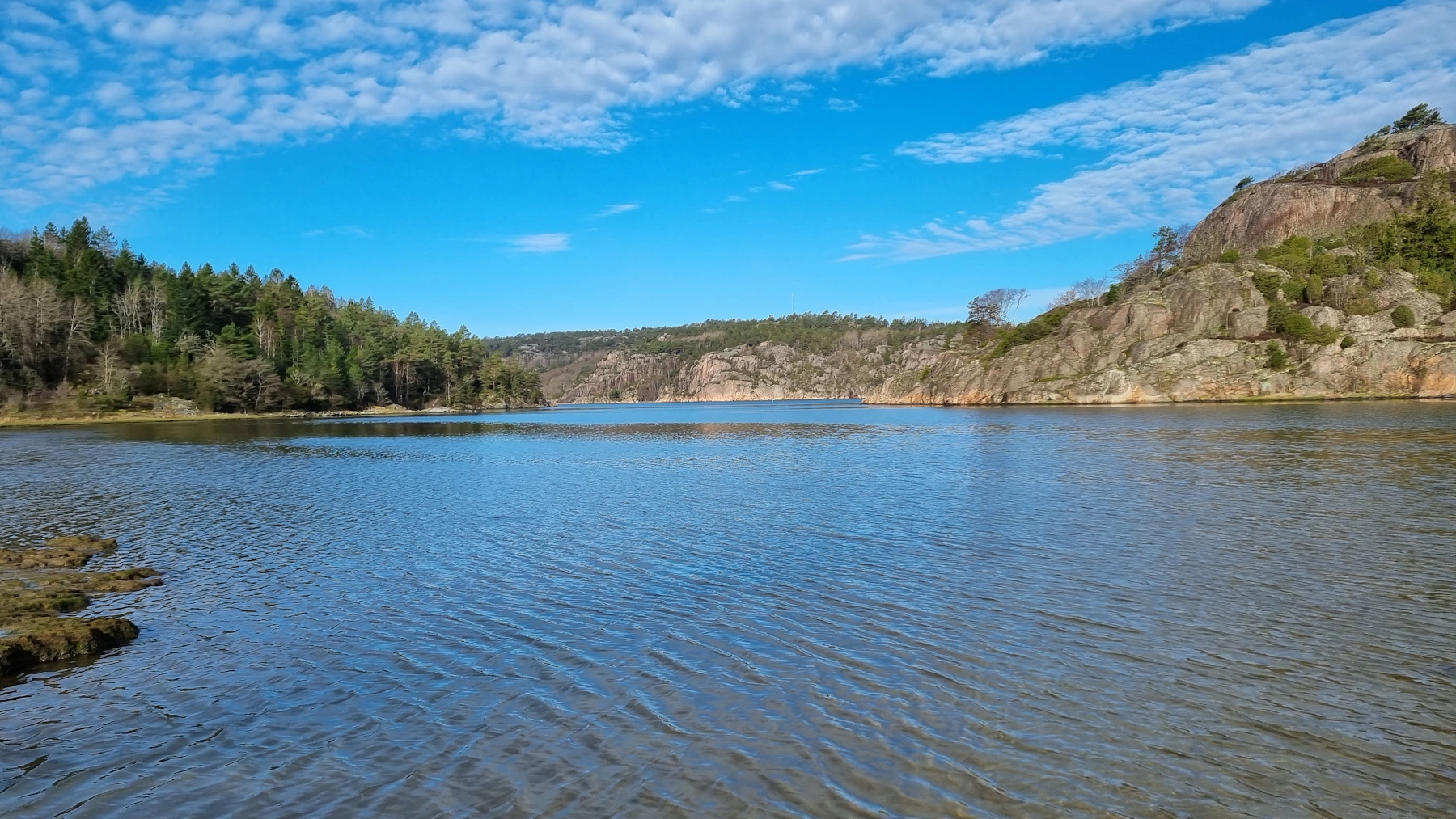
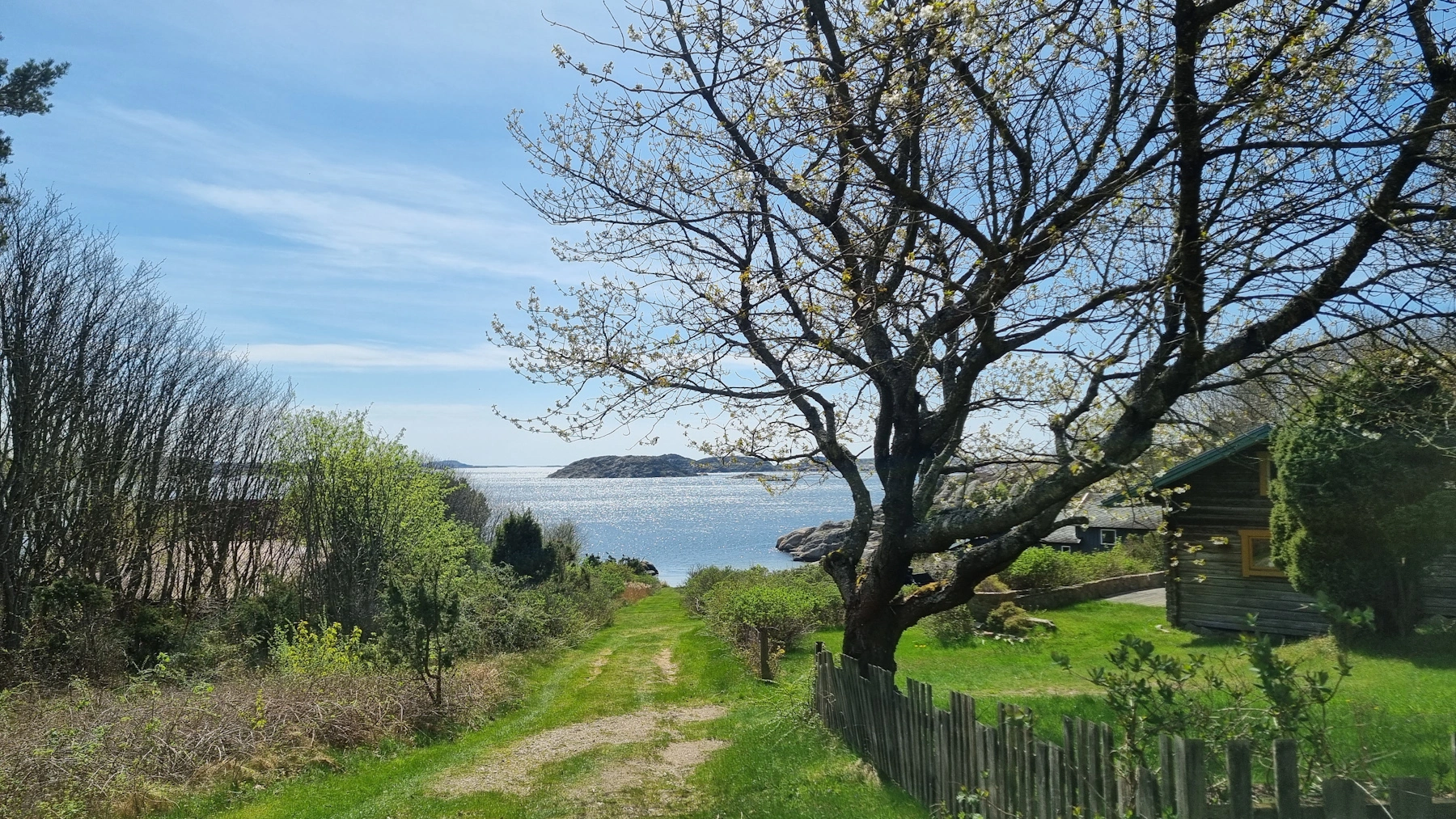
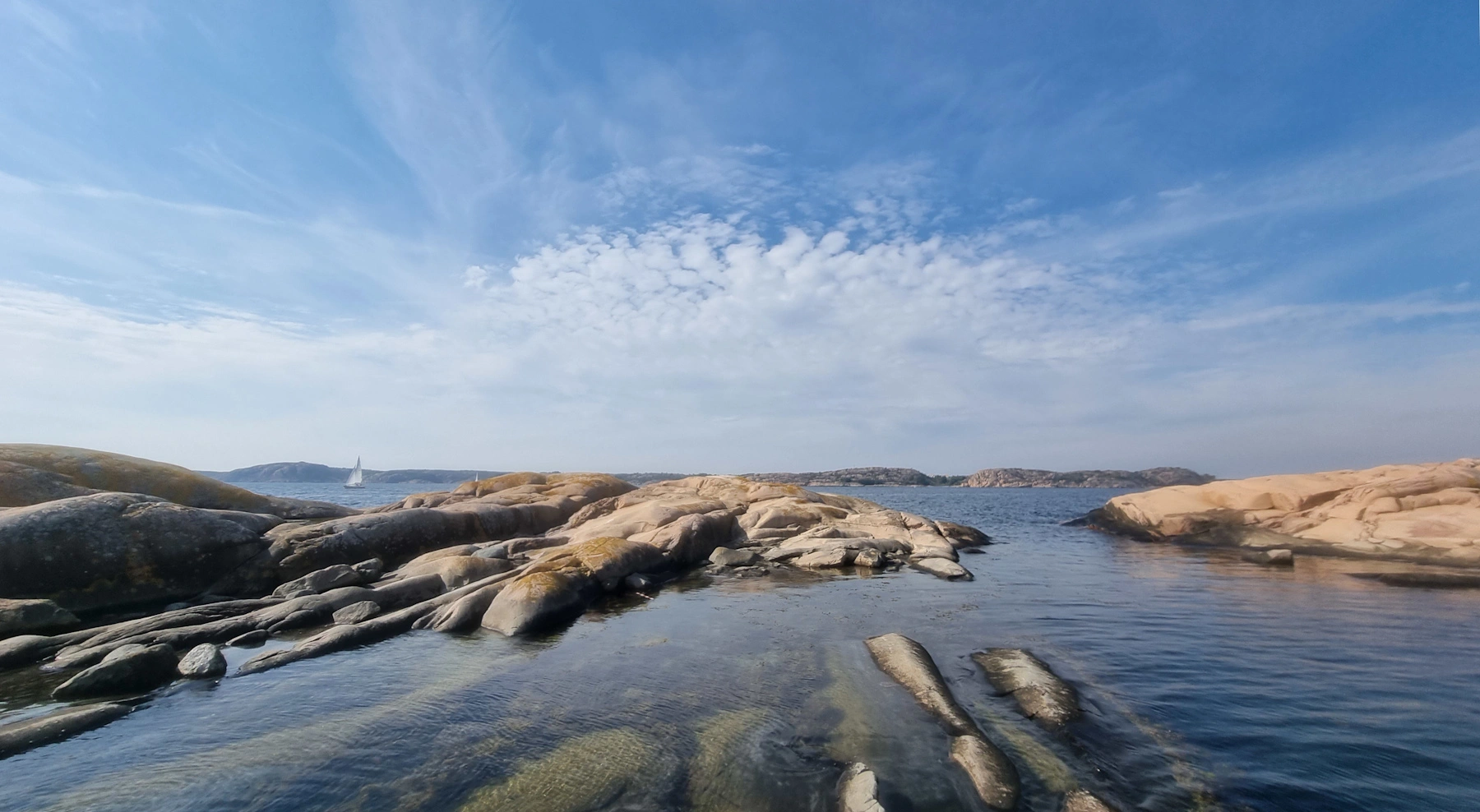
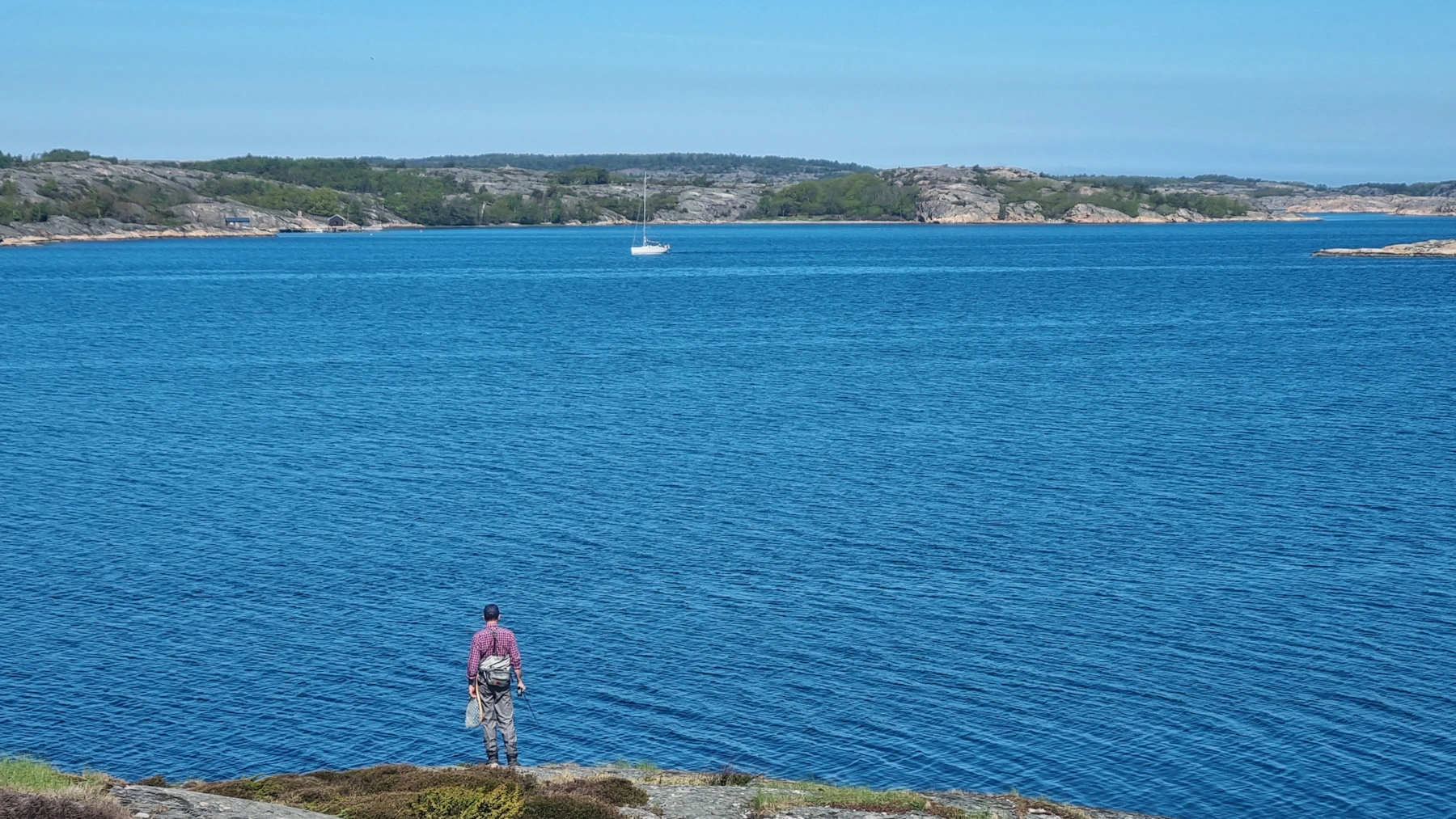
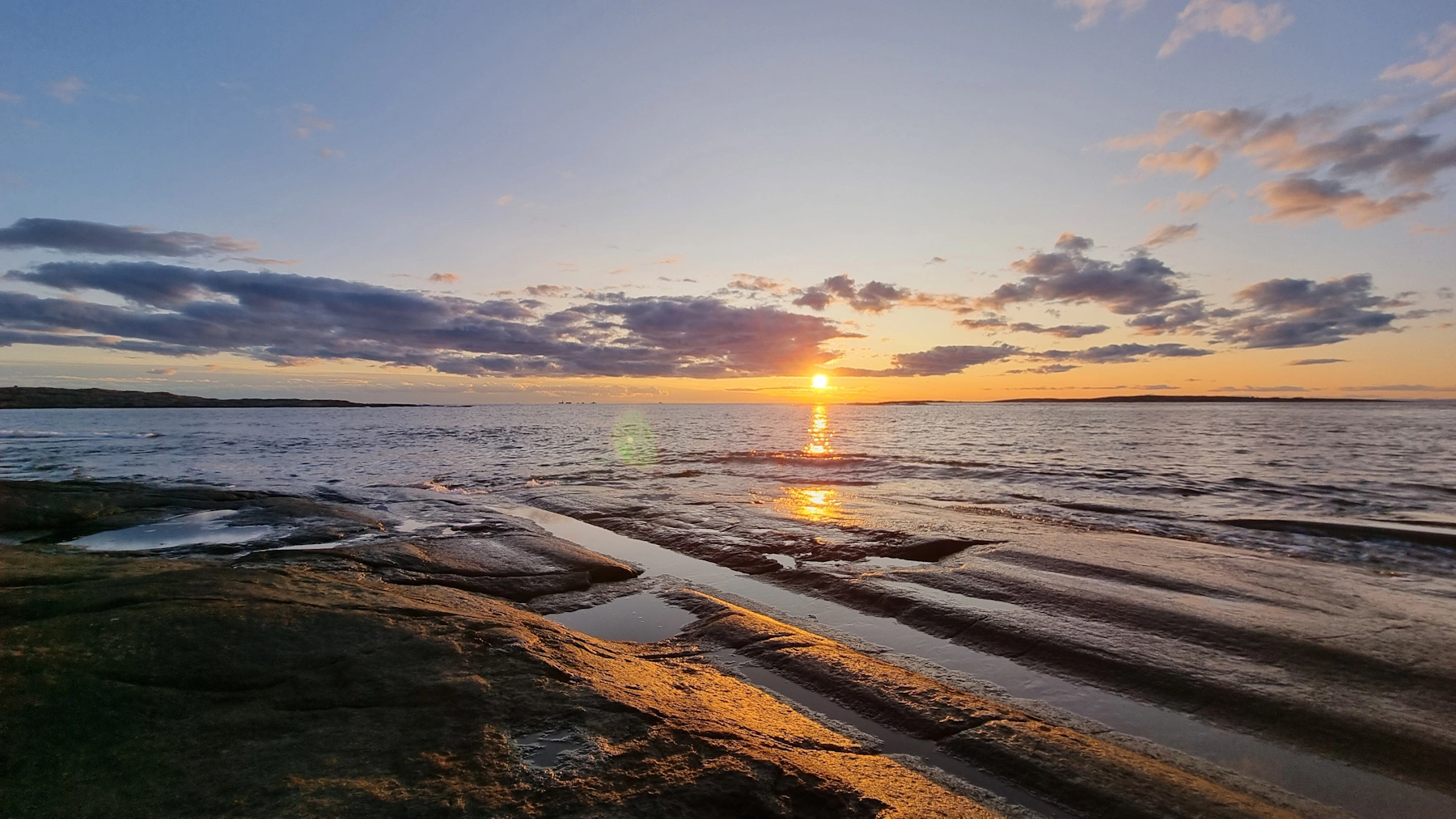
There are places here that remind me of Vancouver Island, with hilly islands dropping forested into the sea (Orust Island and inside the fjords (e.g. the Gullmarn Fjord)). Sections that feel Scottish, with rocky shores plunging into the open sea and sharp surf. Areas that bring the Côte d’Azur to mind, with sandy, crystal-clear swimming coves between rugged cliffs. And places that look exactly how you imagine Bohuslän: skerries and islets, with small wooden houses and villages on them. And everywhere in between, in the cool water: sea trout!
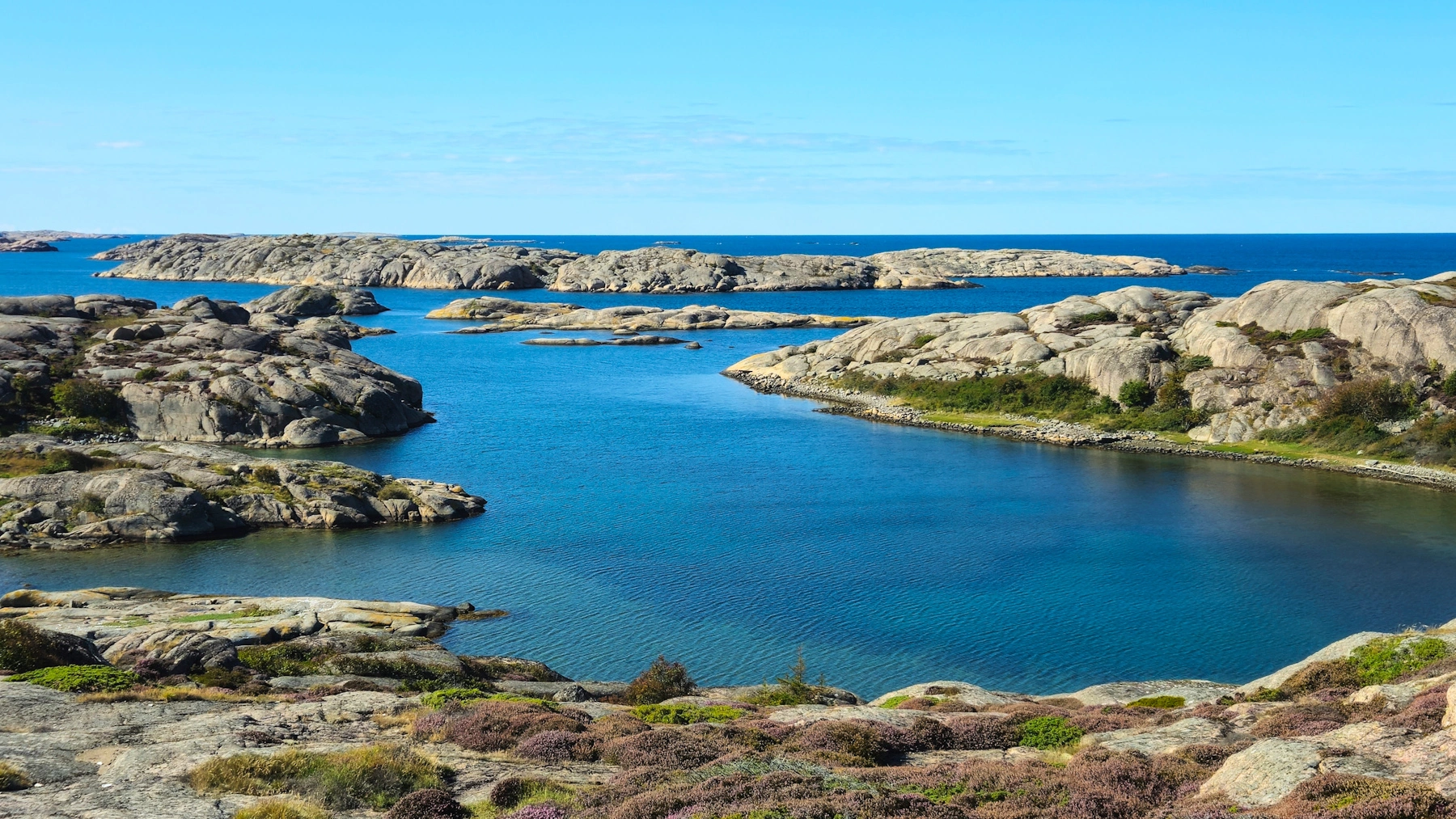
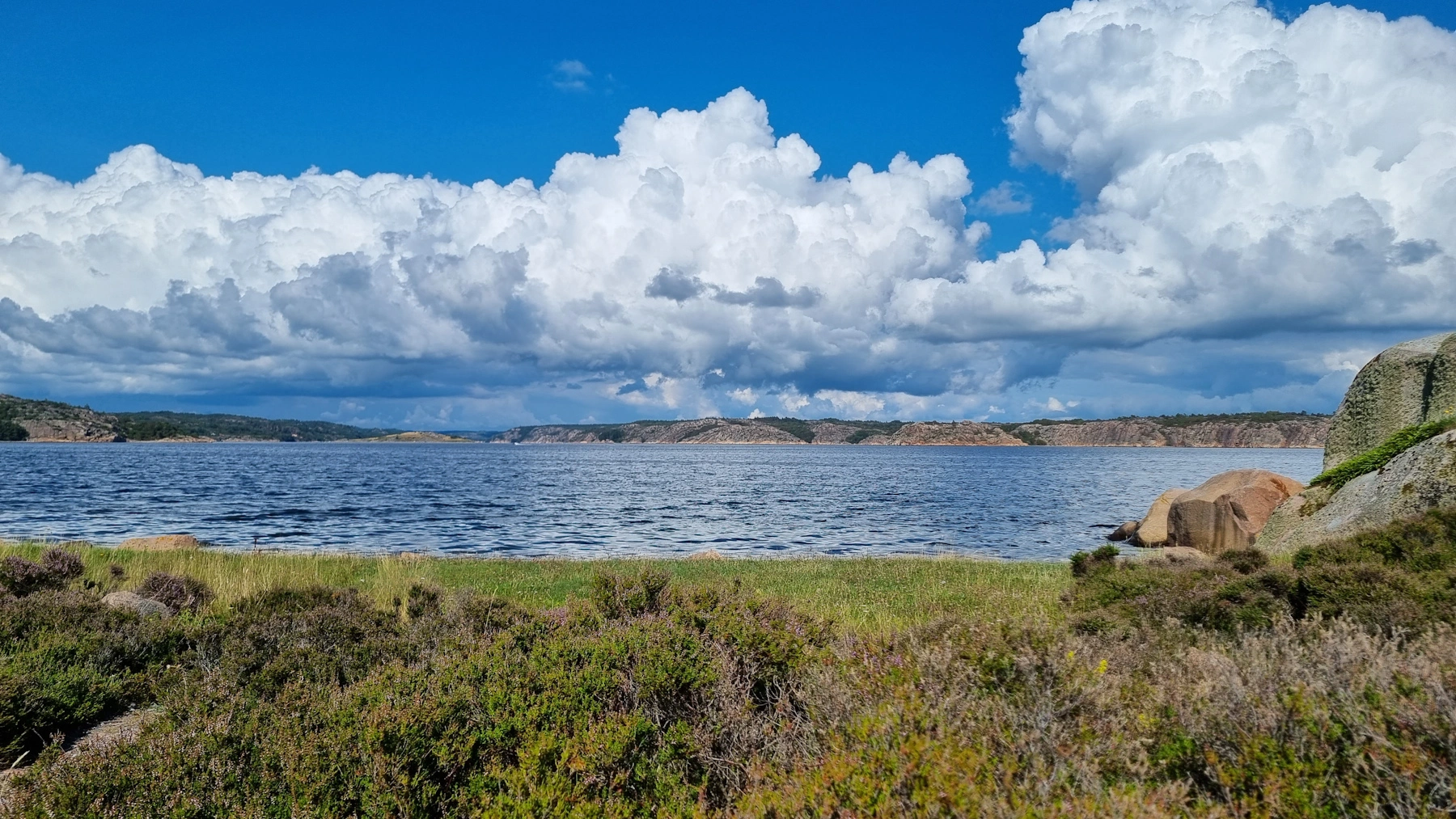
So you have to picture the landscape as exceptionally diverse and multi-layered. Shaped by long fjords and thousands of islands and islets, the flow of the landscape is often interrupted, creating huge variety.
This combination makes Bohuslän a rather exotic travel destination for sea trout anglers (Baltic anglers sometimes experience a bit of a nature shock here), and for tourists in general one of Sweden’s most popular regions. In summer (from late June) it gets pretty busy—fortunately concentrated in just a few places, and especially in the charming harbour towns (Fjällbaka, Hamburgssund, Lysekil, Hunnebostrand, Smögen, Grebbestad, Strömstad, etc.). As an angler, you’ll always find corners where you’re completely undisturbed—but you’re also never far from the perfect harbour restaurant for lunch or to wrap up the day.
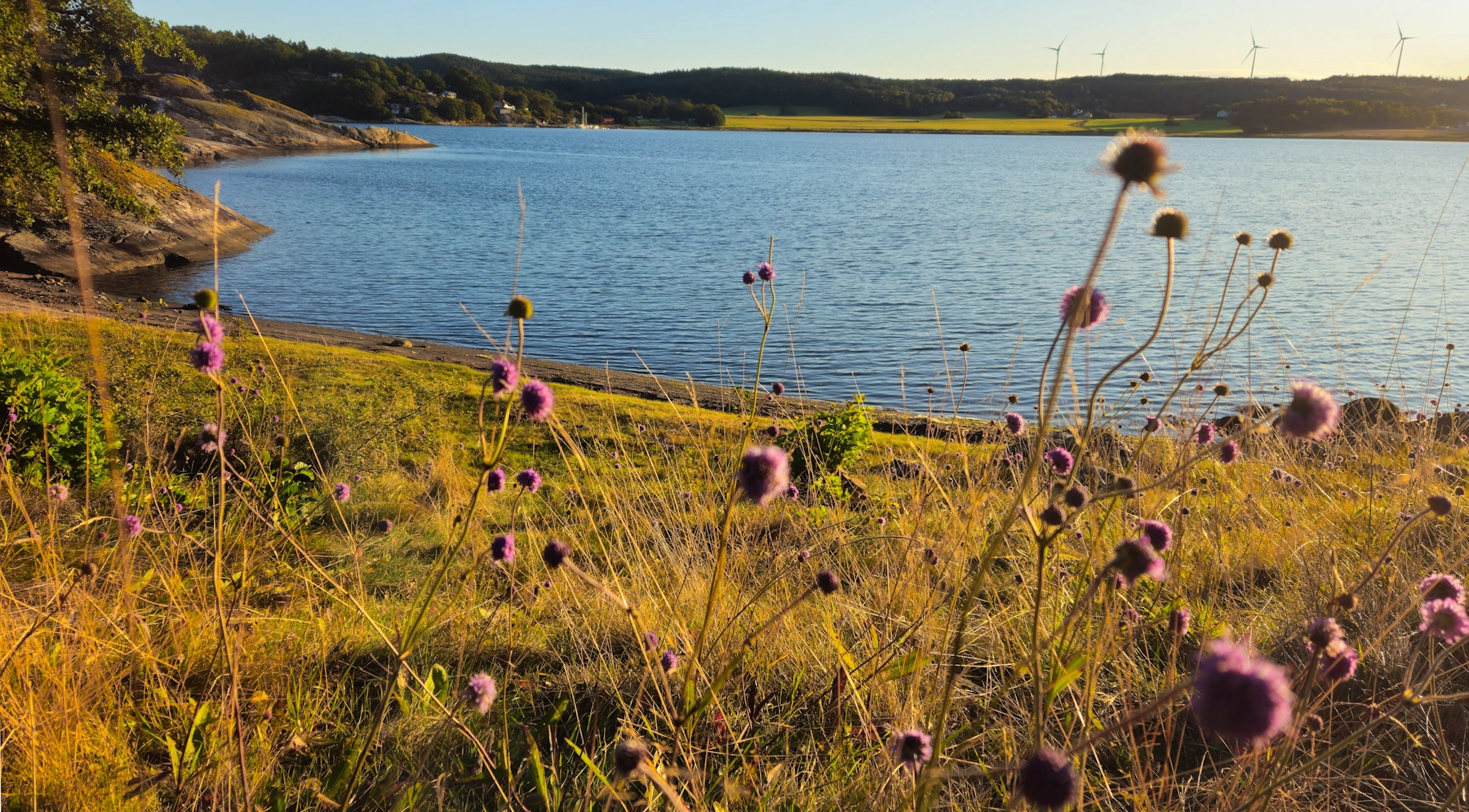
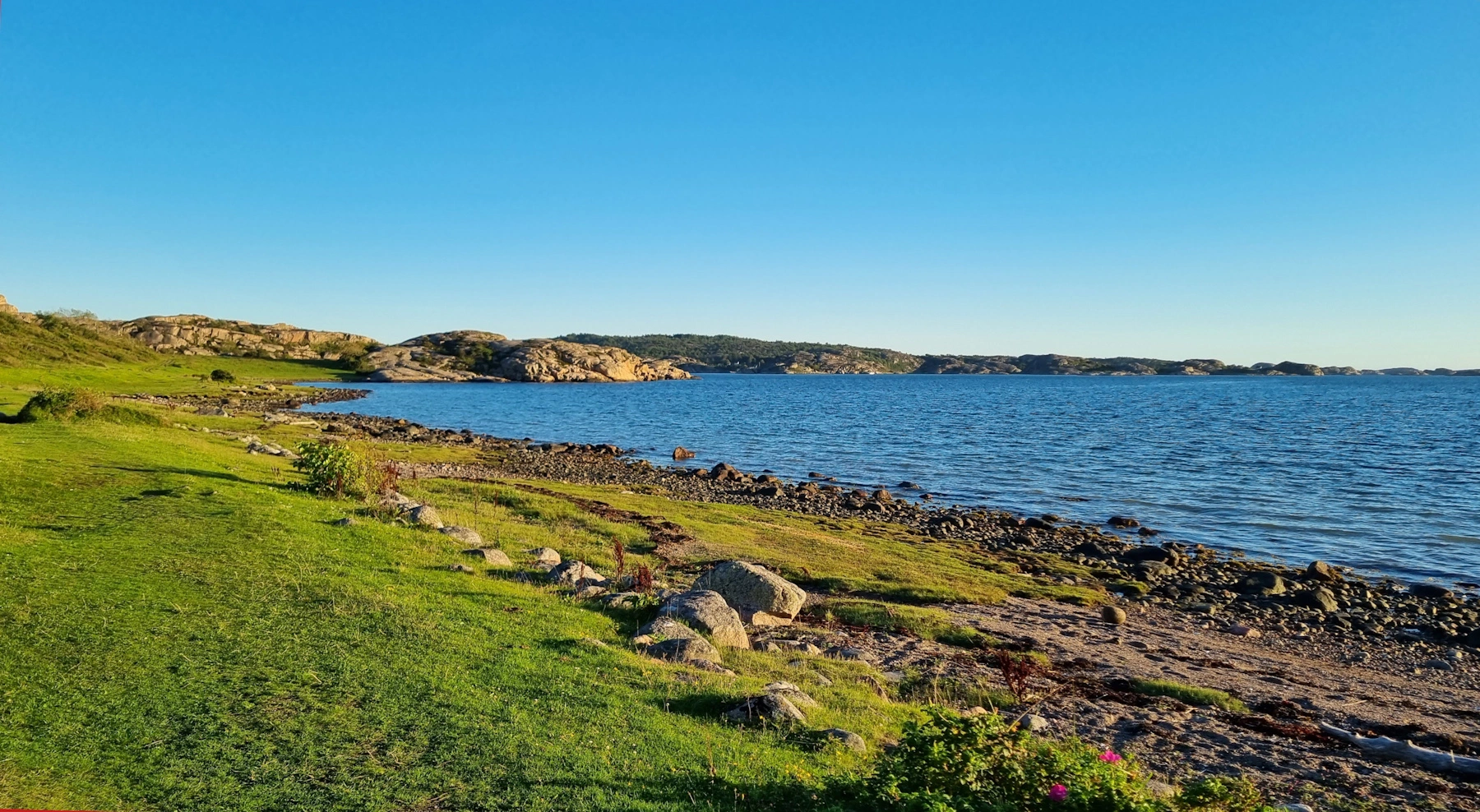
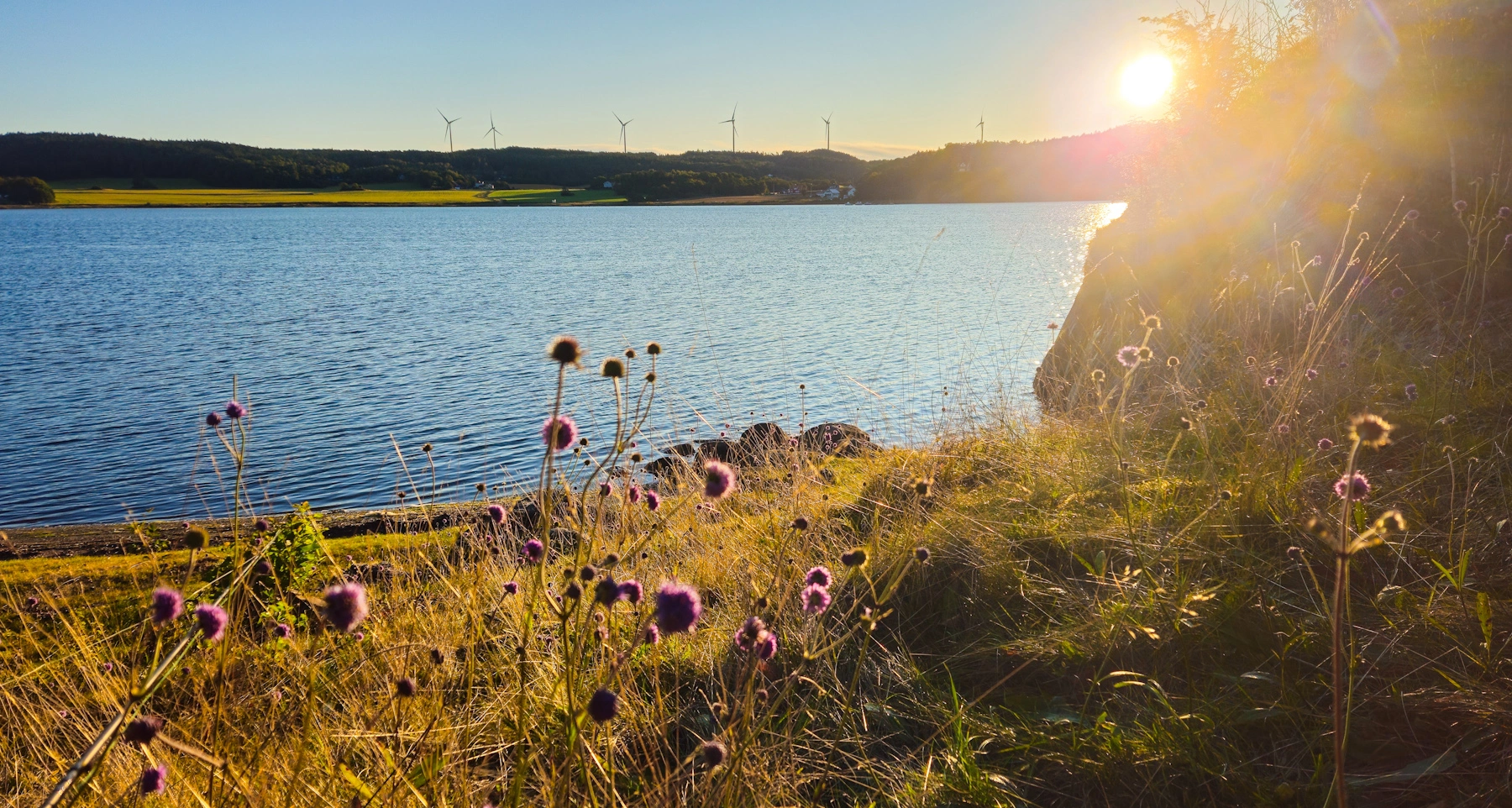
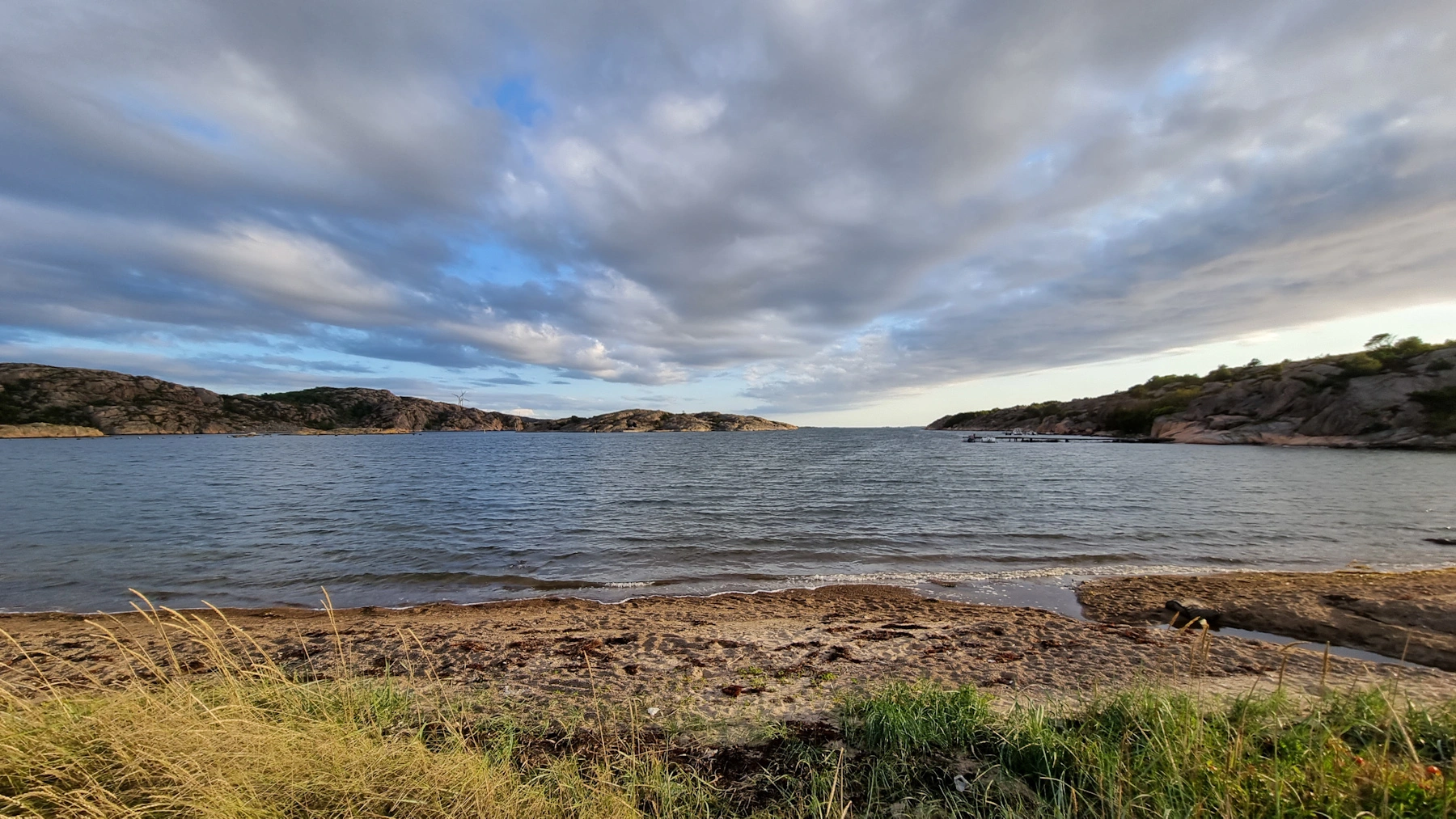
Just like the featured spot Veddö on a small scale, the entire coastline here is the same on a larger scale: extremely varied. You’ll find pretty much every type of shoreline you can imagine this far north: sandy beaches, boulder beaches, rocky shores with intricate islands and skerries, river mouths, forested banks, and more. And it’s all spread out in every direction.
Very roughly, the fishing can be divided into two types of areas: fjord fishing and coastal fishing. Depending on where you fish, the shorelines are shaped more or less by sandy beaches, boulder beaches, rocky shores, or islands and skerries. And the best part: in a single day you can easily fish several of these very different spots. Start the morning on a calmer fjord shore, drive 10 kilometres out to the open coast during the day, and head back in the evening to the quiet hinterland by a fjord.
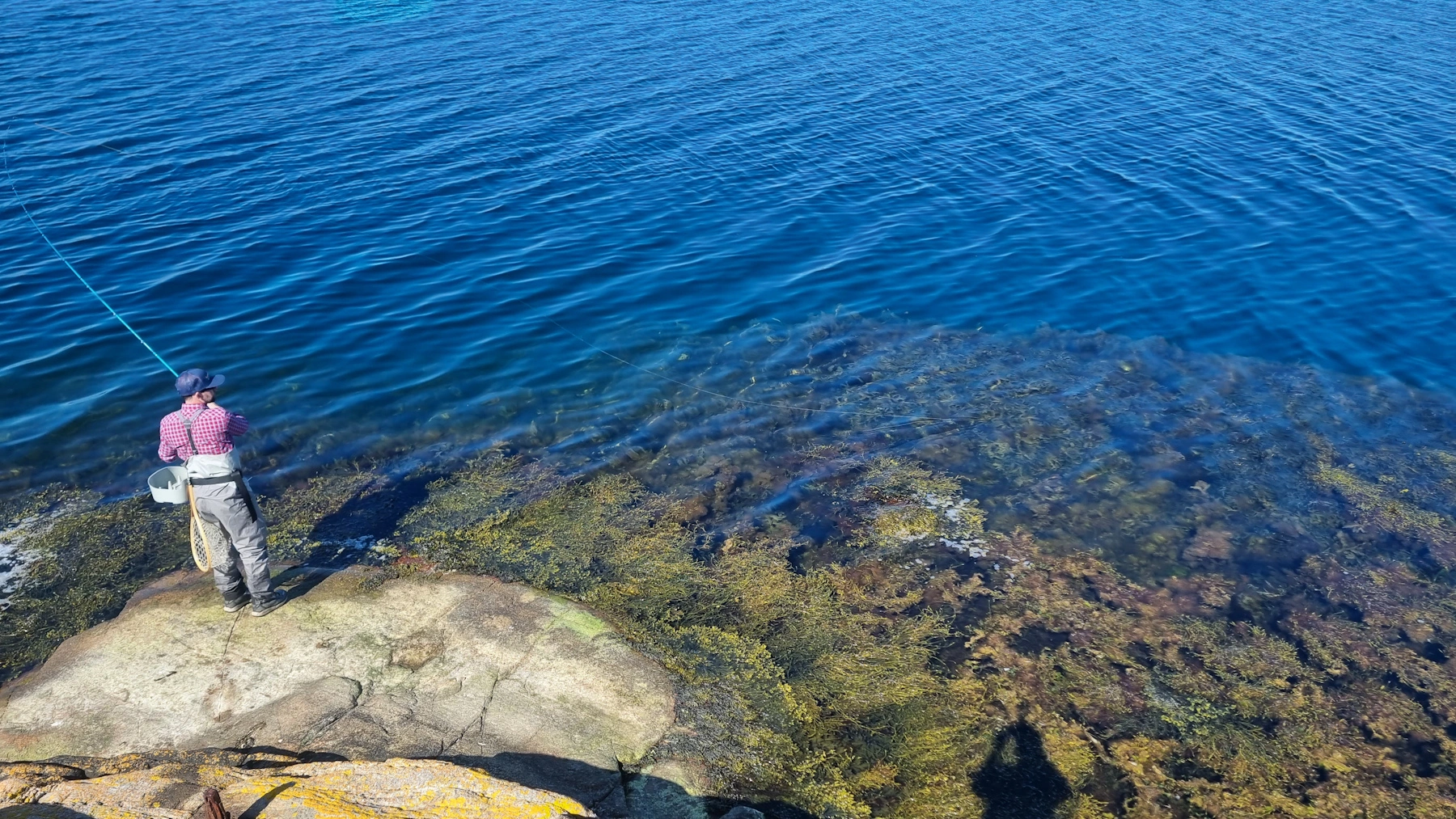
Maximum variety in minimal space – every corner offers new opportunities
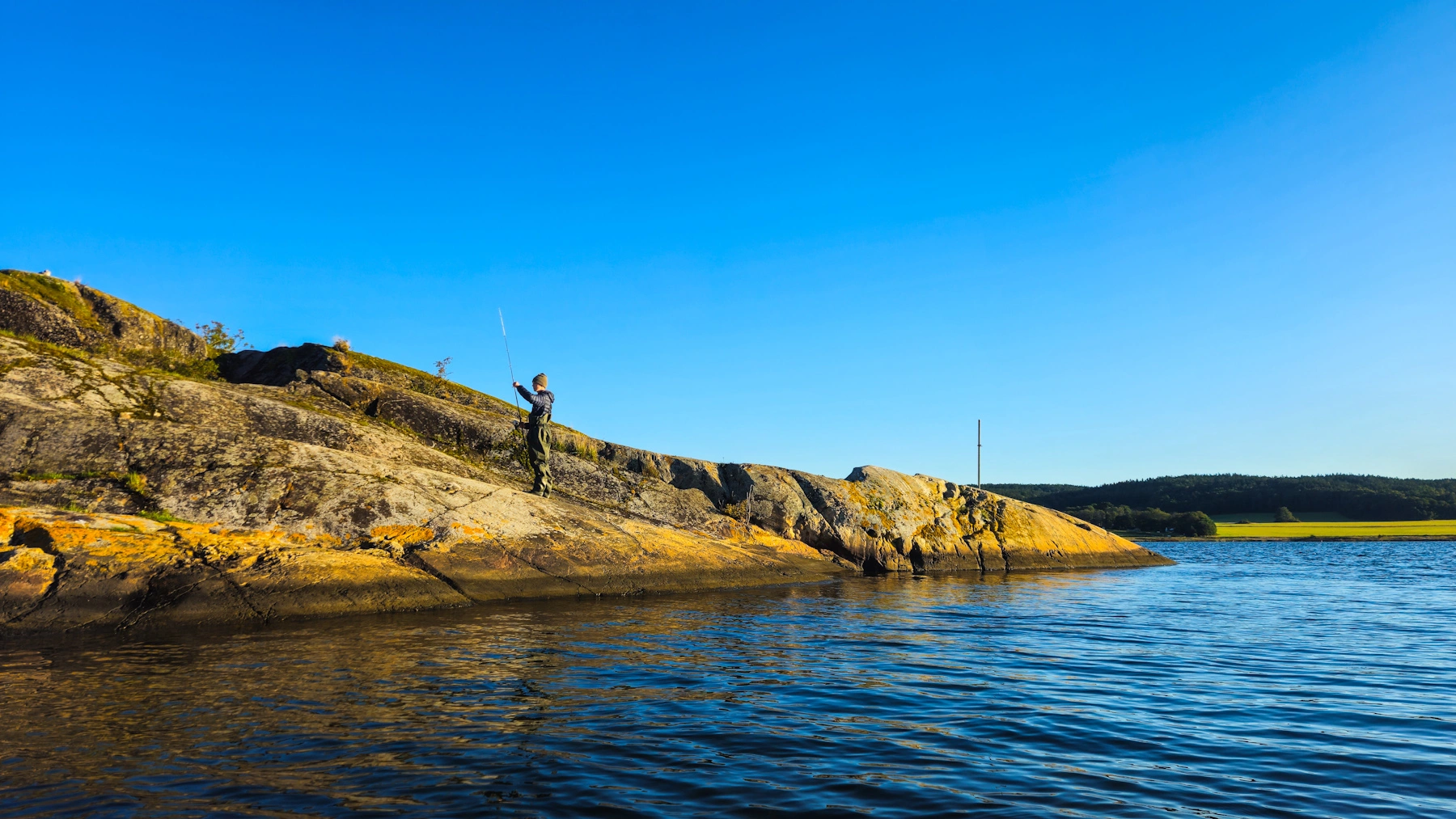
To fish different structures, you don’t even need a vehicle. Basically, most things are very close together. Classic sea trout beaches with gently sloping shores blend seamlessly into steep rocky sections. Small, fast-flowing narrows between land and tiny islands sit right next to boat jetties. A drop-off into open water lies at the mouth of a small bay.
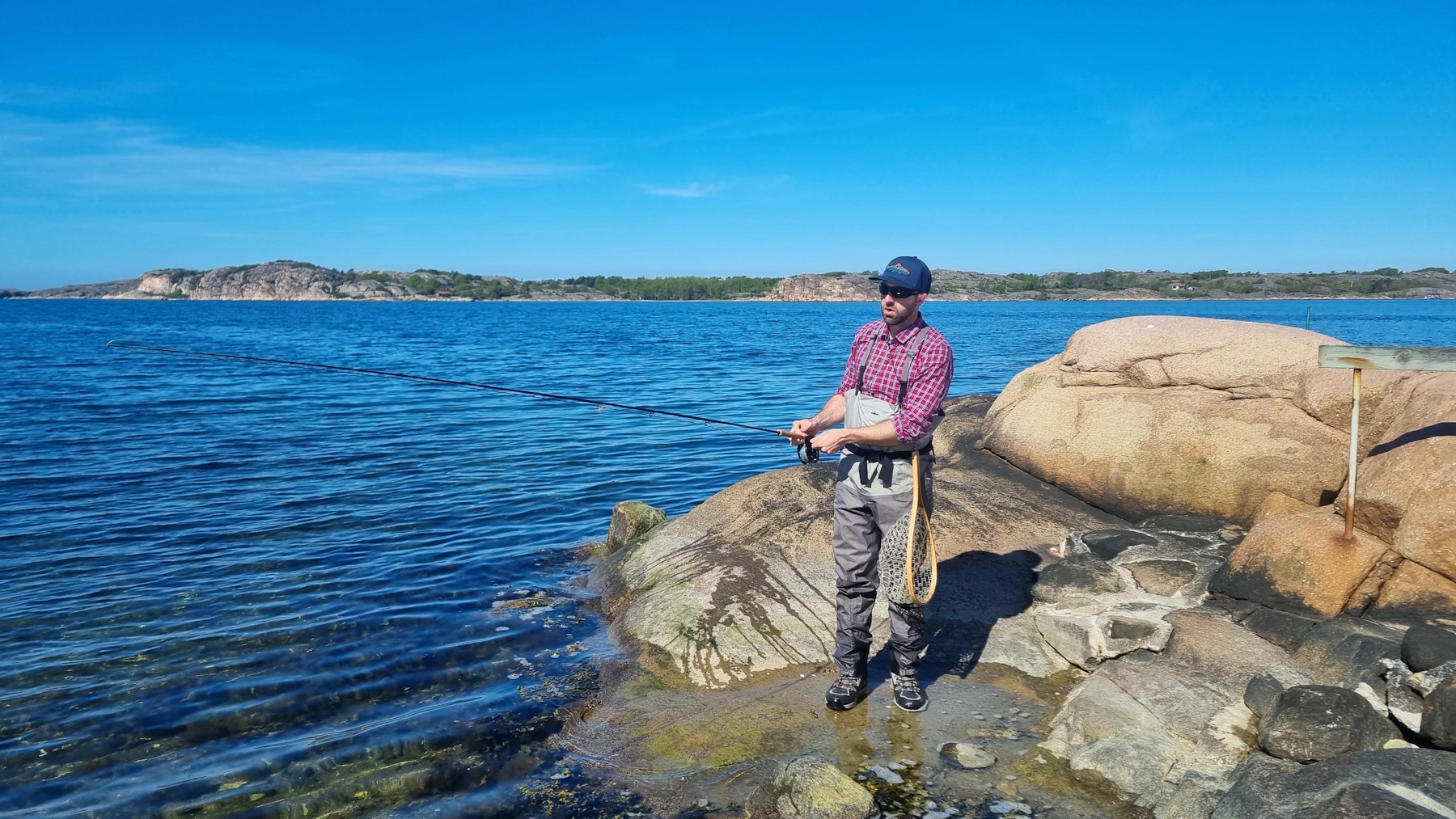
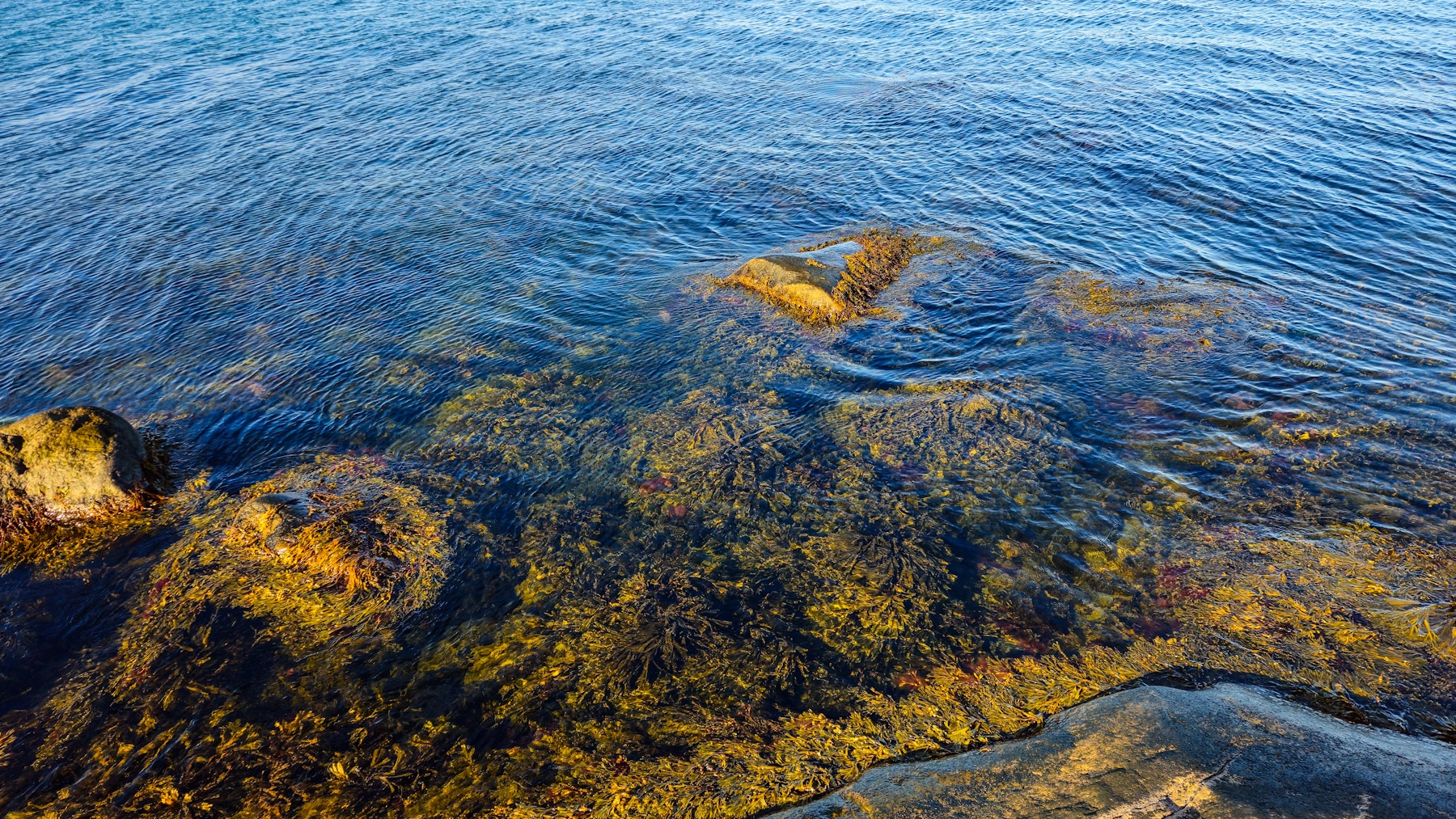
Usually you don’t even have to awkwardly switch spots by car to maybe reach deeper water or a different current situation. You scramble 20 metres, walk around a rocky point, and the fishing can look completely different: suddenly the wind is in your face instead of at your back, the water is moving and slightly coloured, and instead of fishing over a shallow sandy beach you’re casting over stony, rocky water that might be four metres deep. In moments you’re fishing a completely new spot—and can approach it with fresh motivation and confidence.
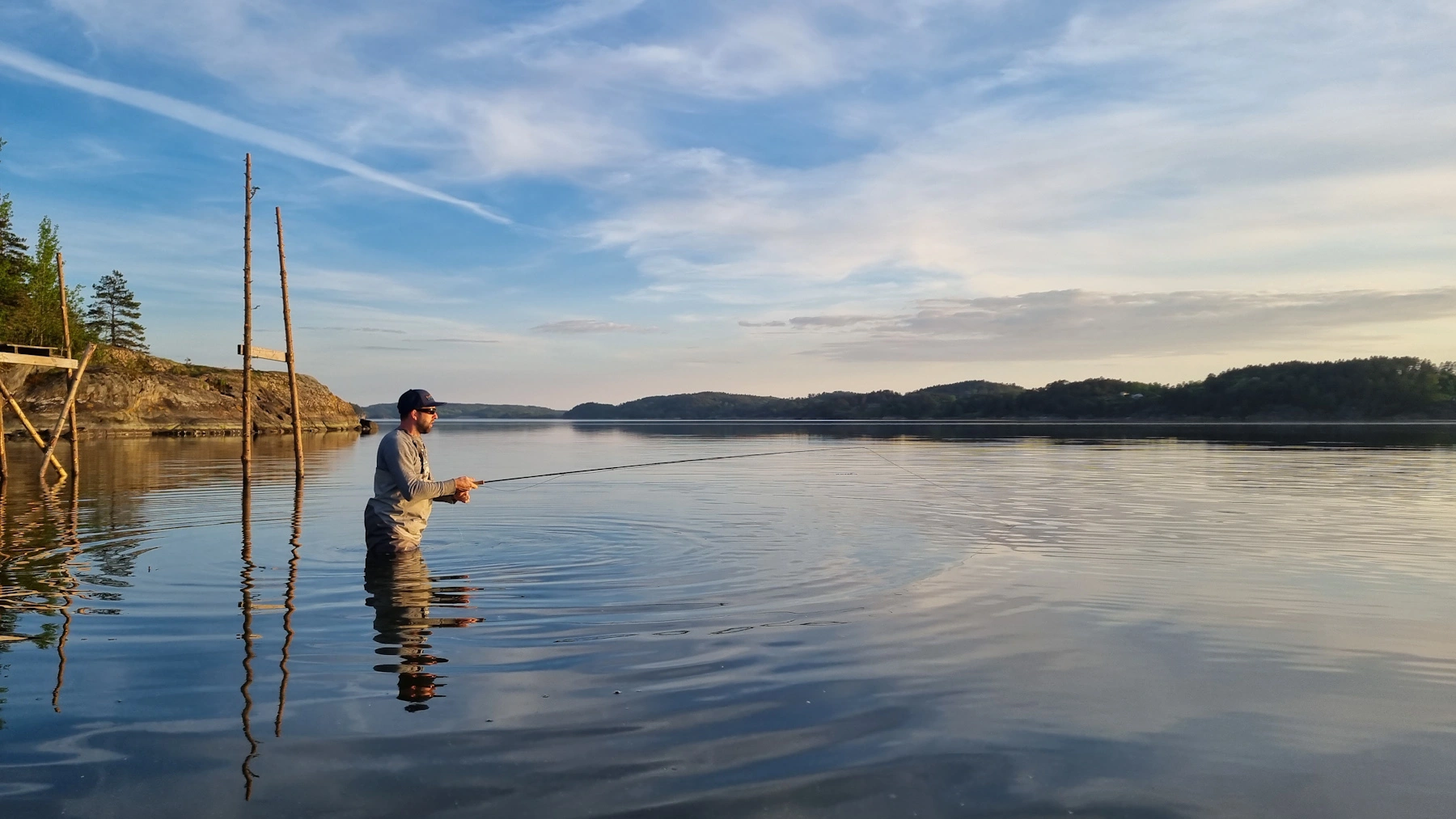
I think this versatility is what defines the fishing here—and in that respect it can’t be topped by any other region in Europe.
As a Western European sea trout angler, you should be prepared for the following:
- Sometimes challenging wading over bouldery, algae-covered ground and some small scrambling sections (only if you want—there are plenty of comfortable, easy-to-fish spots)
- Tides that influence the fishing: the tidal range is around 30 cm between high and low tide. Fish can react to this more than, for example, in Baltic Sea areas.
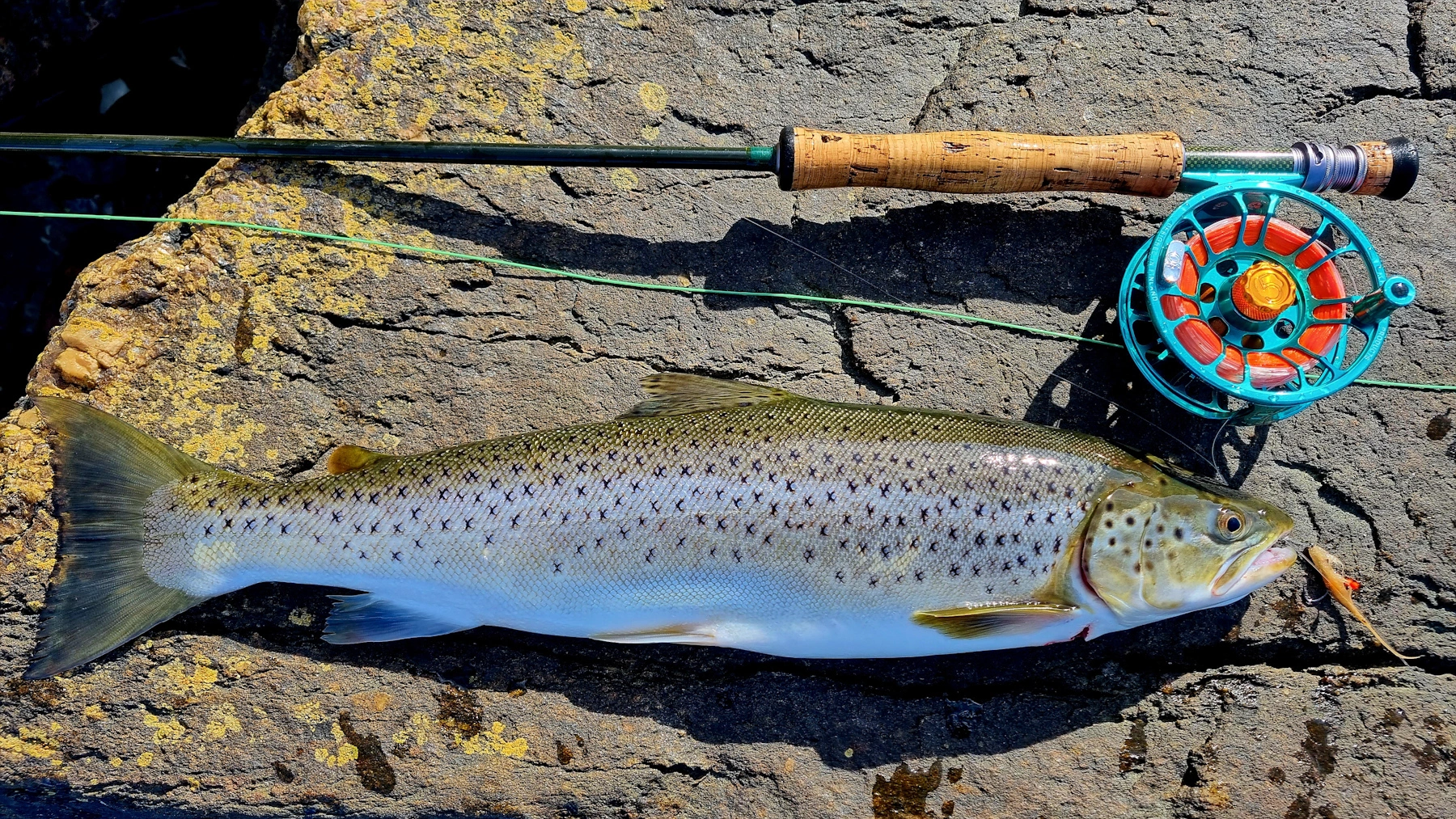
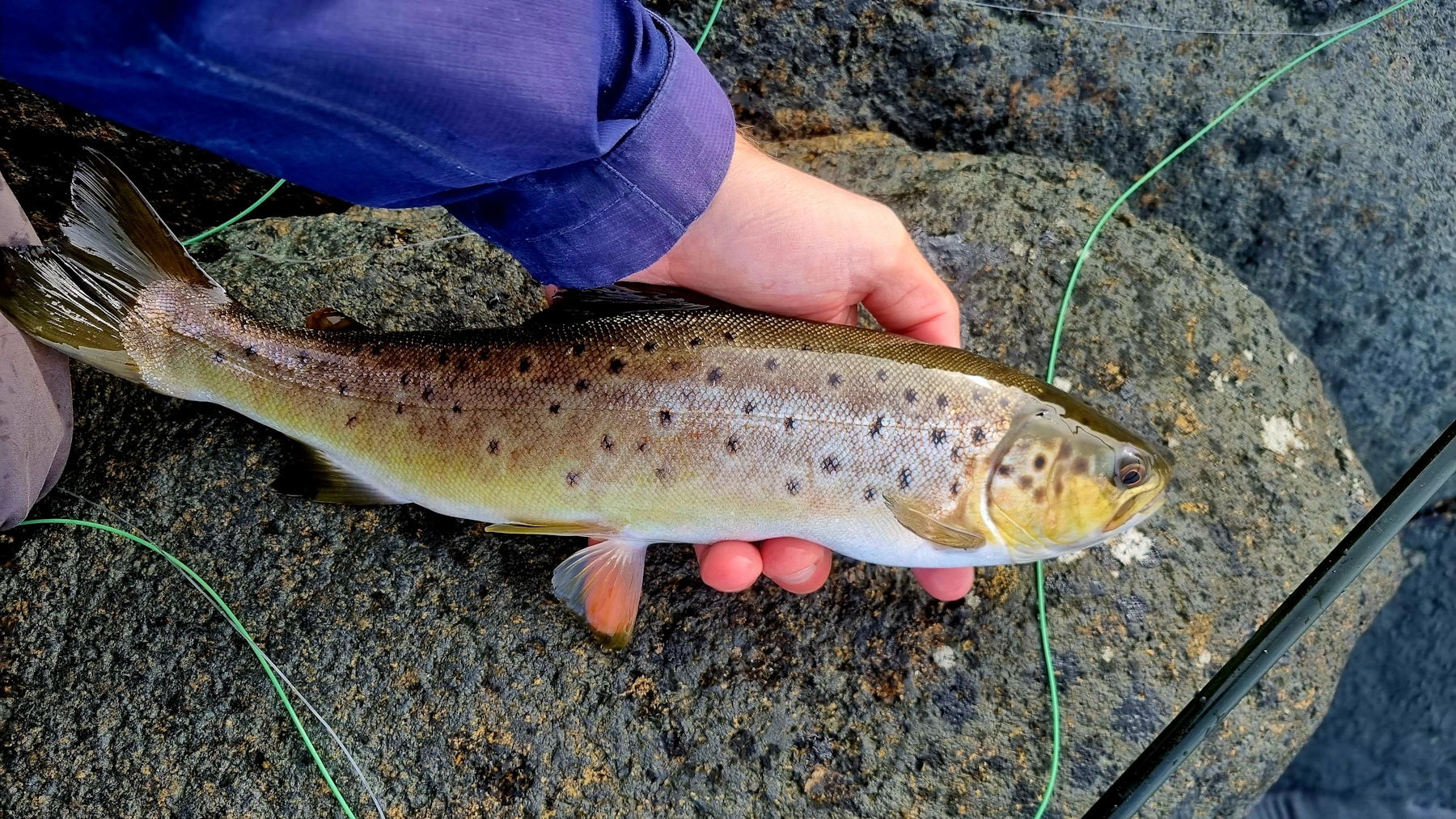
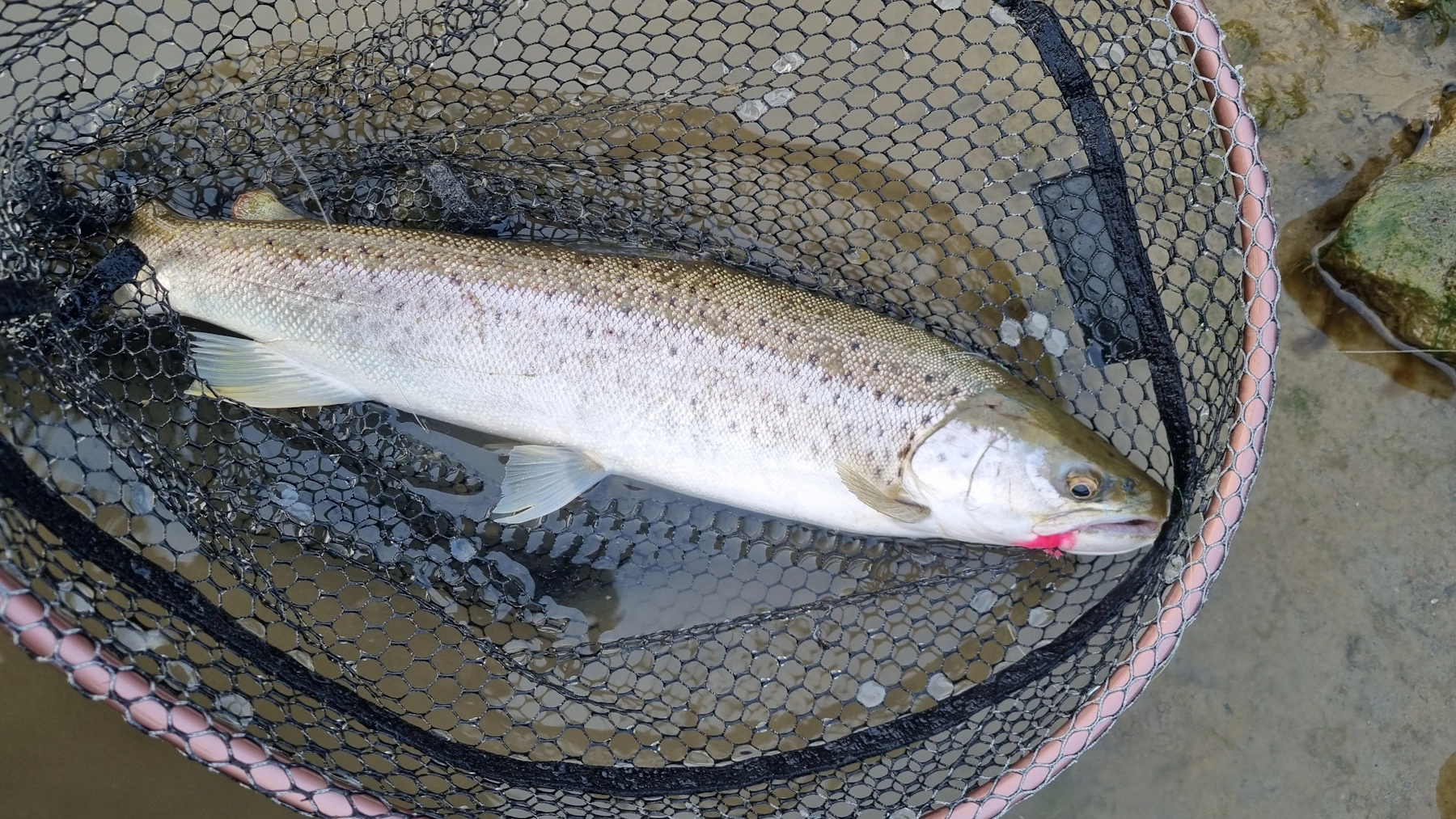
- Lots of fish—but not always the biggest. The minimum size is 45 cm, and sometimes you have to fish through a few before you get a keeper. I’d estimate a ratio of about 1:10. On good days, though, you can easily catch those 10 in a day. And bigger fish are becoming more common, too.
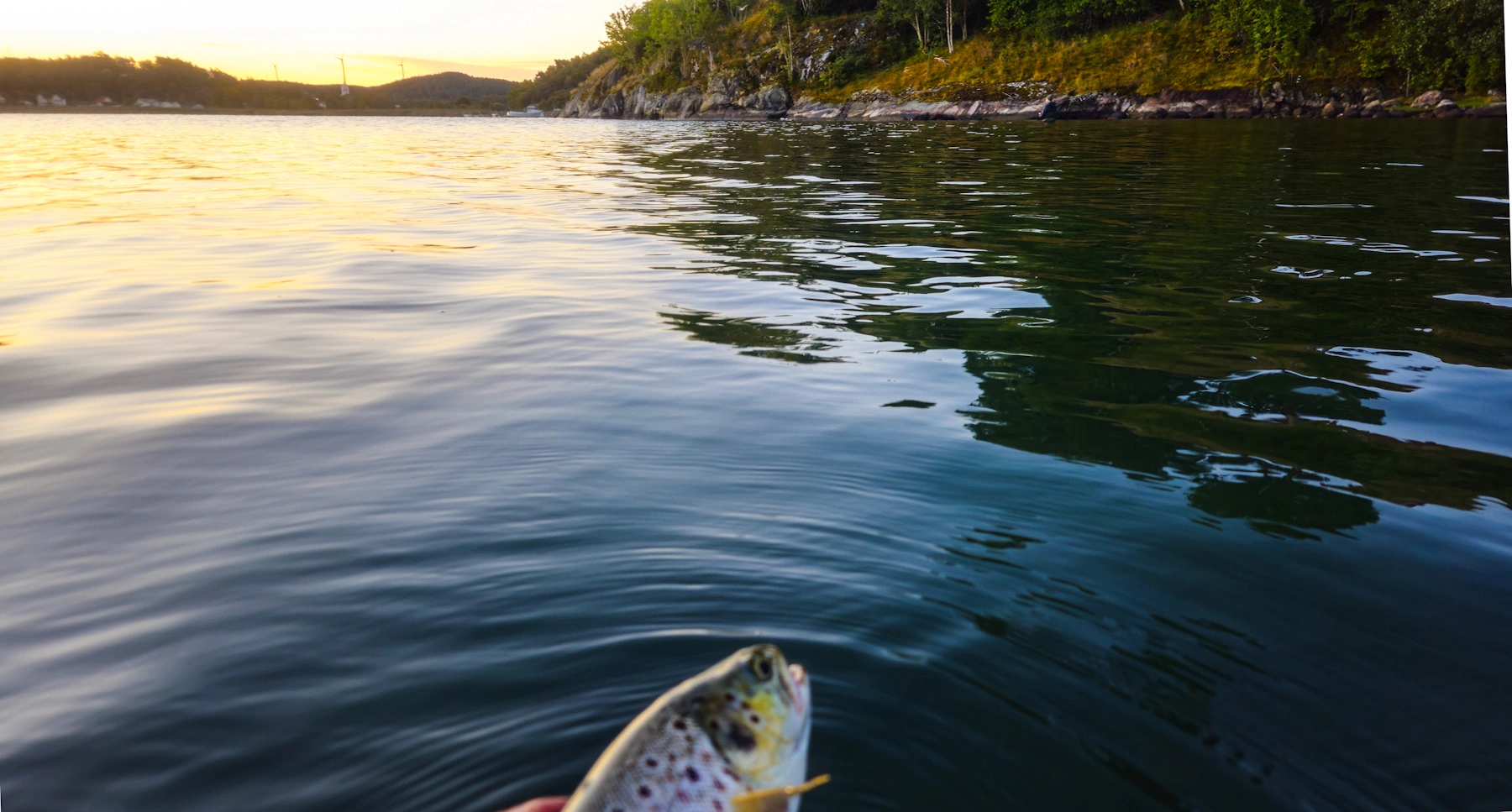
- Very good summer fishing thanks to current edges close to shore and deep, colder water within casting distance
- Cold water even in April: due to the northern location, the early season days often take place in really cold water. Then you’ll mostly fish shallow, dark winter bays facing south, often near fjords, where such spots tend to be more common than in more exposed areas.
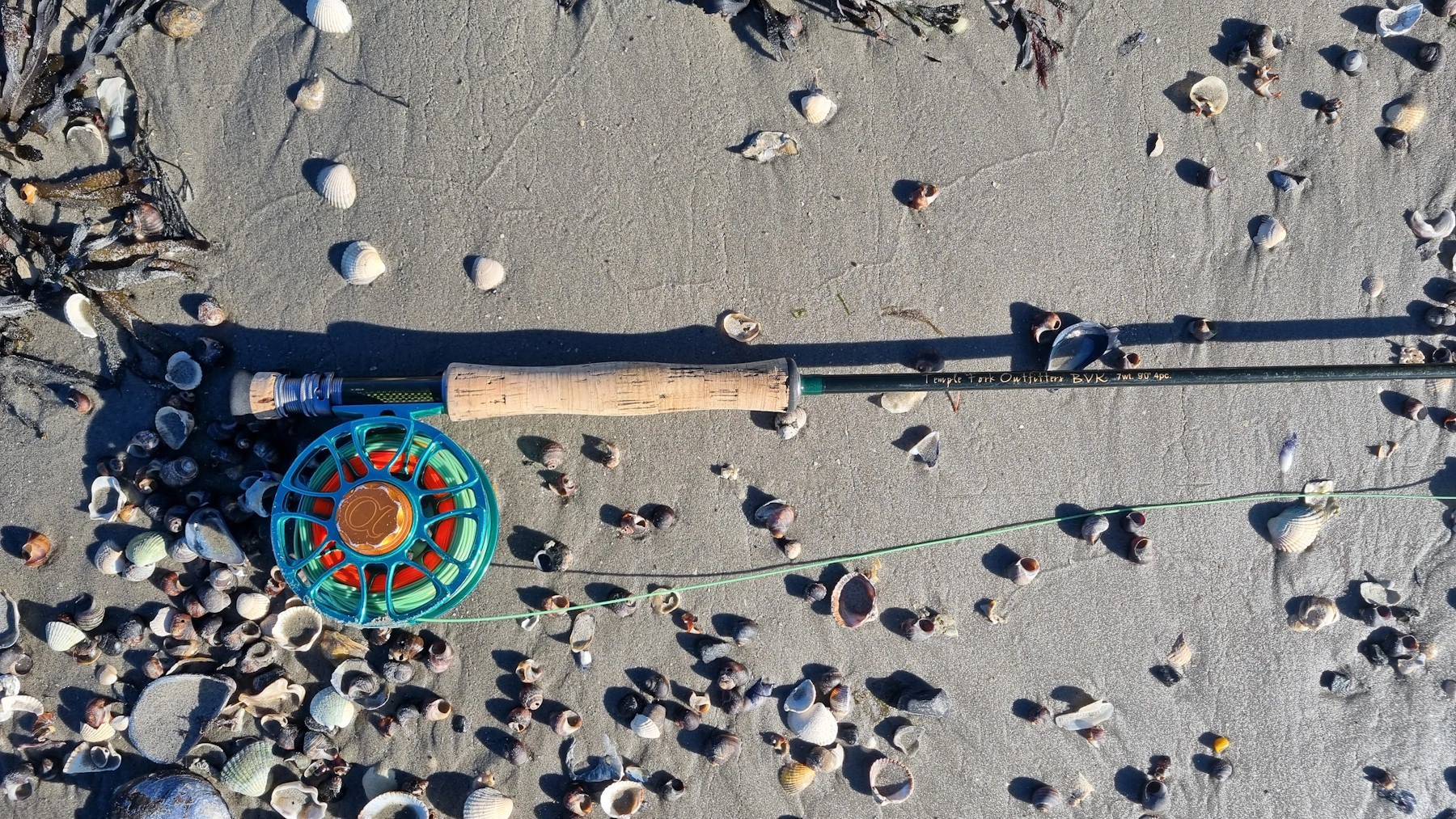
From a fishing perspective, you can approach April, May, into June, and September pretty much the same way you would for sea trout elsewhere. Fishing in July and August comes with the special challenge of sometimes very deep areas. If you’re fly fishing, be sure to bring heavy sinking lines (even up to sink 7) and long, slim flies (the Samsö Killer is excellent, for example)! Stripped at high speed over deep water, they produce fish!
One final, crucial note: the sea trout season in Bohuslän starts on April 1 and ends on September 30. So the classic autumn and winter season doesn’t take place here. Norway, a country without a closed season for sea trout, isn’t far away and borders Bohuslän directly. After about an hour’s drive from Munkedal, you’ll be in an area where you’re allowed to fish for sea trout year-round.
Besides the obvious downsides for local sea trout die-hards, the upside is that the remaining 6 months of fishing time are all the more outstanding.
Read more great articles
Wilderness Paddling in Western Sweden – Canoe Discovery Tour in Dalsland
Introducing: Södra and Mellersta Kornsjön – the perfect area to relax for a few days in an undisturbed waterscape, without having to travel far within Sweden!
Pike Fishing in Sweden – How to Catch One Almost Guaranteed as a Beginner. The Complete Guide.
Pike are as much a part of Sweden as Pippi Longstocking or Pettson and Findus. This applies not only to the tens of thousands of passionate hobby anglers—many of whom travel from Germany each year to…
Our rental fleet is complete – Spring Canoe Test Days
Just a few weeks ago, the maiden fleet of our little "Granite & Green" paddling lineup became complete: two single sea kayaks and one 3-person canoe are now safely stored in our garage, just waiting…
35 excursion destinations around Munkedal and in Bohuslän
Over the years, we've had the chance to get to know quite a few excursion destinations here in the area. Some are just a few minutes away from our Treeline Studio, while others require a slightly…
Coast meets forest
Bohuslän and Dalsland are both Swedish regions that aren't necessarily considered heavyweights among Swedish landscapes in terms of international fame. People know Småland (because of Astrid…