

Pike are as much a part of Sweden as Pippi Longstocking or Pettson and Findus. This applies not only to the tens of thousands of passionate hobby anglers—many of whom travel from Germany each year to enjoy conditions found in few other countries—but also to countless vacationers who usually have nothing to do with fishing, but want to try their luck here as motivated beginners.
However, anyone trying to get into the sport from scratch can quickly feel overwhelmed by the sheer volume of information regarding gear, fishing spots, and techniques.
Are you one of those Sweden vacationers who just wants to do a bit of fishing while away, but still wants to feel like you know what you’re doing? Are you simply looking to catch a pike without immediately aiming for a record-breaking trophy fish? Then this article is exactly for you.
Here you’ll find the most important, battle-tested information—not too much, not too little—exactly the knowledge you need to stand a great chance of catching a pike. It’s easier than you might think, and with the tips below, you’ll have a complete guide to the basics that will take you a very long way.
Here we go.
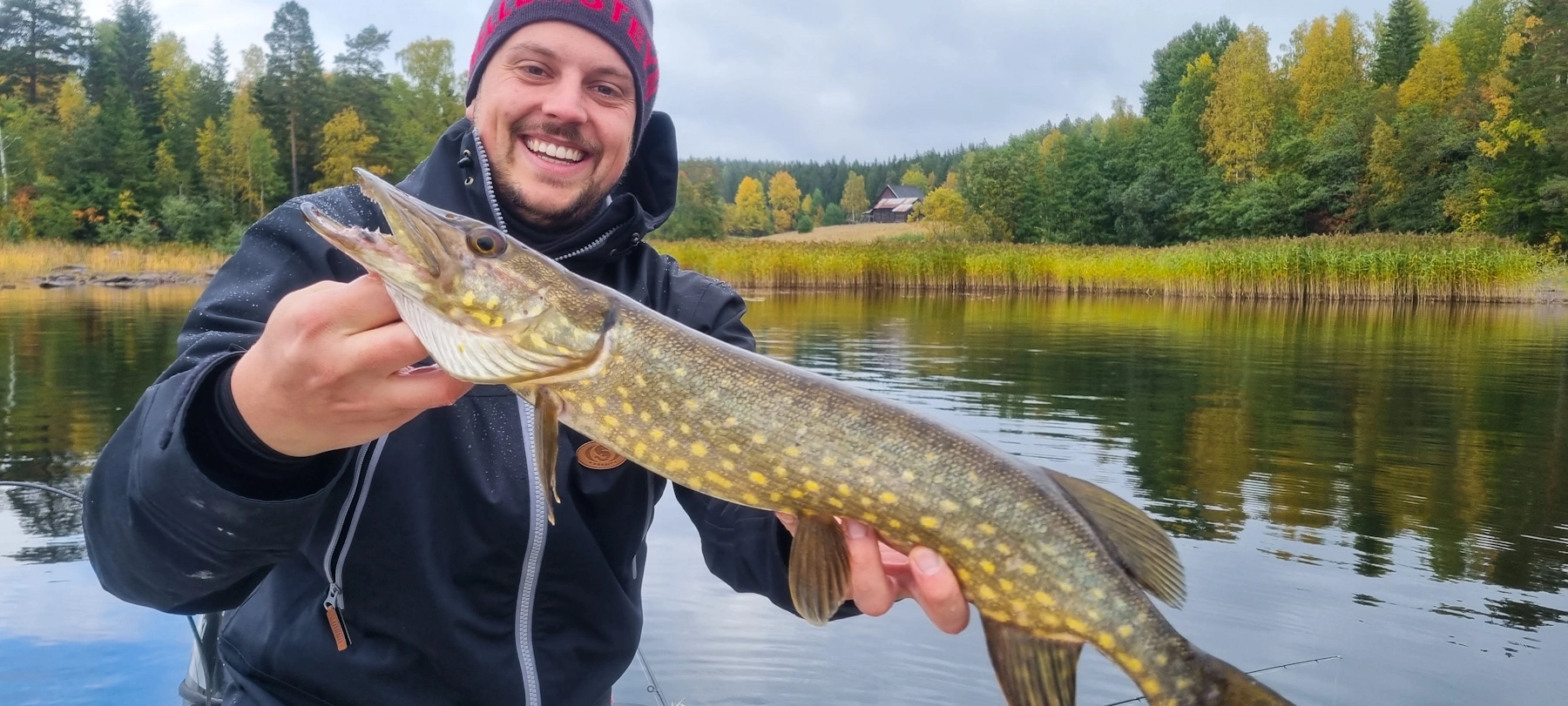
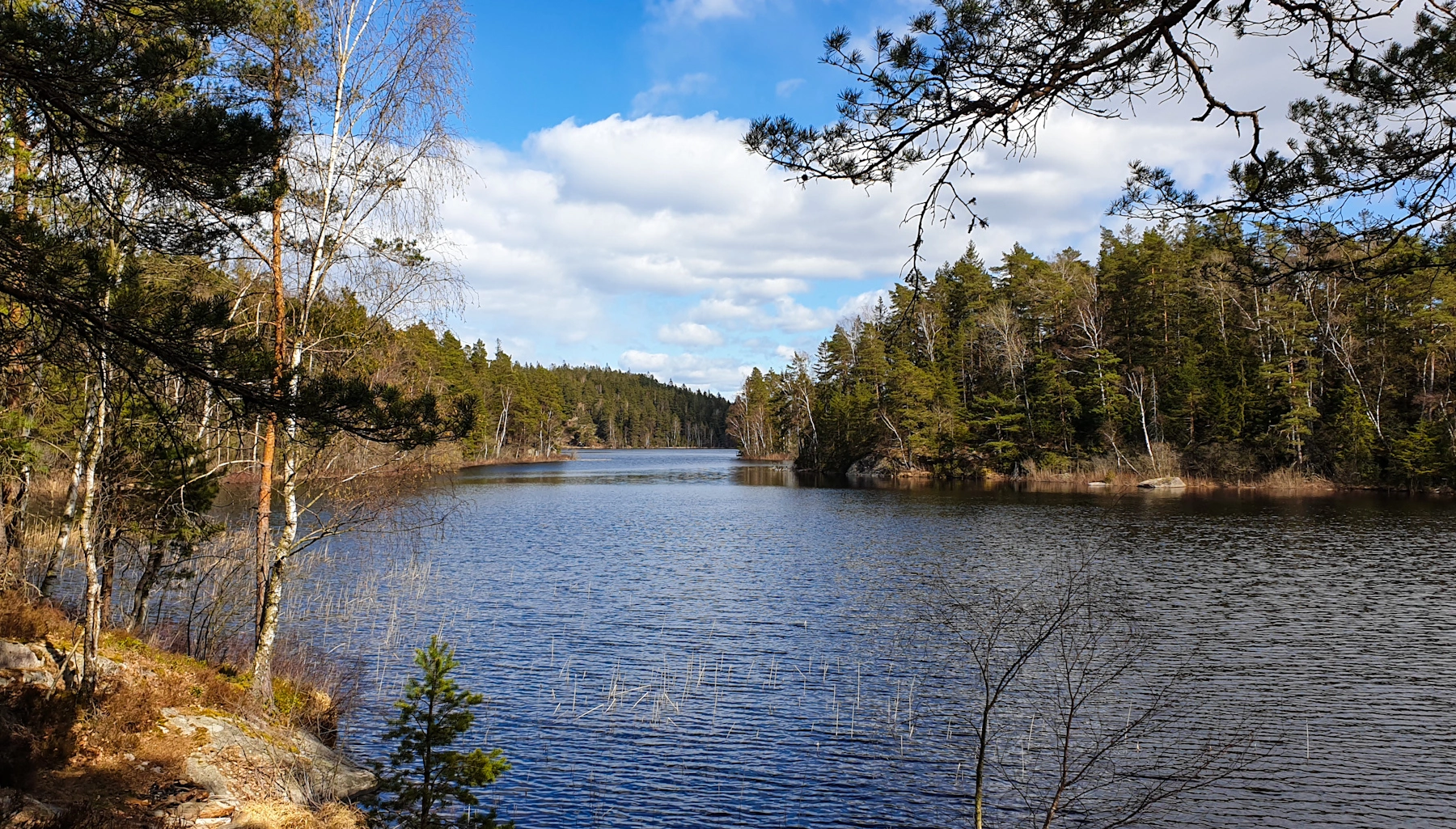
The kind of water we are looking for—and why Dalsland of all places is the perfect fit
Even in Sweden, choosing the right body of water is one of the most critical factors when hunting for pike. Your chances of a successful catch can vary massively from one lake to another—even here, fish rarely just jump into your boat. There are challenging waters and relatively easy ones, and even experienced anglers can end up empty-handed on certain lakes. I, too, have fished in places where things were incredibly slow or nothing bit at all, even though the conditions seemed absolutely perfect.
That is why your very first step should be to spend your valuable fishing time on an “easy” body of water—ideally one with a healthy pike population. Of course, almost every lake here holds pike, but your chances of success vary greatly. A little research is therefore essential. Along with generally available lake tips, here are a few attributes we look for when choosing a holiday home:
- Lake Size: Small is key! The smaller the lake, the easier it is for a beginner to locate the fish. Large lakes are often infinitely more complex. While experts see this as an opportunity for giant pike, a beginner will find themselves looking for a needle in a haystack. The smaller the lake, the greater your chances of running into a pike ready to bite. Sweden’s various archipelagos, or massive lakes like Vänern, Vättern, Bolmen, and Åsnen, are better suited for people who already bring some experience to the table.
- Gewässerstruktur: Gewässer mit einer Menge Struktur sind nicht nur deutlich interessanter aus einer Naturbetrachterperspektive, sondern ermöglichen es auch dem ungeübten Angler und ohne elektronische Helfer (Echolot) interessante Angelstellen zu finden. Von Struktur sprechen Angler, wenn sie die Formgebung beschreiben: Inseln, Buchten, Landspitzen, aus dem Wasser aufragende Felsen und Untiefen, wechselhafte Uferbeschaffenheit (Schilfgürtel, Felsenufer, etc.) und Grundverläufe (flach, tief, abrupte Übergänge etc.) sind alles strukturschaffend und helfen, auch ohne ins Wasser gucken zu können, ein Gefühl für gute Angelstellen zu bekommen.
Google maps liefert schon sehr viel wertvolle Information!
- Water Clarity: Ideally not too clear! Clear waters certainly have their charm, but from a fishing perspective, they aren’t always the best choice for beginners. A certain level of cloudiness or turbidity often indicates a higher density of nutrients (plant and animal plankton), which forms the foundation for a healthy predatory fish population. Clear waters are frequently deep and cold, and they are mostly found in mountainous regions. You will absolutely find pike there too—often very, very large ones—but the fishing is fundamentally a bit more challenging.
Around our Treeline Studio here on the border between Bohuslän and Dalsland, you can find all kinds of waters. In Kynnefjäll, for example, you have the aforementioned crystal-clear lakes, but just a few minutes away, there are also slightly murky lakes with plenty of structure and a fantastic pike population (such as Lake Viksjön).
The Right Equipment: Less is More
We’ll keep it short and sweet here! The recommendation below is for a relatively light pike setup, making it versatile enough to be used reasonably well for perch, mackerel, sea trout, or salmon as well.
Rod: Spinning rod, 2.40 – 2.70 meters (approx. 8–9 feet), casting weight 30–60 grams Price: Good, usable models are available starting at around 50 euros.
The casting weight represents the weight of the lures that you can comfortably cast and retrieve with this specific rod. Of course, you can also cast slightly heavier and especially lighter lures, but the sweet spot lies right around this range. For comparison: perch rods typically range from about 5 to 30 grams, while heavy spinning rods for truly large pike lures sit around 80 to 200 grams.
Reel and Line:
A 3000-size spinning reel is the weapon of choice. This size isn’t too bulky and works perfectly for other occasions too (perch, sea trout, mackerel, etc.).
These reels are available in all price ranges, and while you can easily spend several hundred euros, you should expect to invest at least 50 euros for a decent one.
Example: Shimano Catana
Please note: If you want to try your luck in saltwater as well—and trying for mackerel or sea trout is an absolute must when you’re already in this area!—you should definitely opt for a saltwater-resistant reel.
When it comes to the line, it is essential to buy a braided line. The difference compared to a classic (monofilament) fishing line regarding lure control and bite detection (see below) is like night and day. For pike, go for a line thickness of around 0.15–0.17 mm with a load capacity of about 10–12 kg. Highly recommended in yellow or green—this won’t bother the fish, but it significantly improves your lure control.
Example: Berkely Firelie, Shimano Kairiki 8
Crucial for pike fishing: Make sure to use a steel leader! This is a relatively short piece (approx. 30–40 cm) of steel wire (titanium is also available) that is tied to the end of your main line and connects it to the lure. It prevents the pike from biting through your line.
Lure:
Now for the most exciting part: the lure! Hardly any topic is discussed more heavily in angling circles, and the fishing industry launches new products every year (even though the wheel is rarely truly reinvented).
The casual angler probably doesn’t want to spend hundreds of euros on a fully stocked tackle box that covers every imaginable fishing scenario. That’s why we’ve condensed this list down to just four essential lures (which you can definitely get in a few different colors)—it doesn’t get any more compact than this!
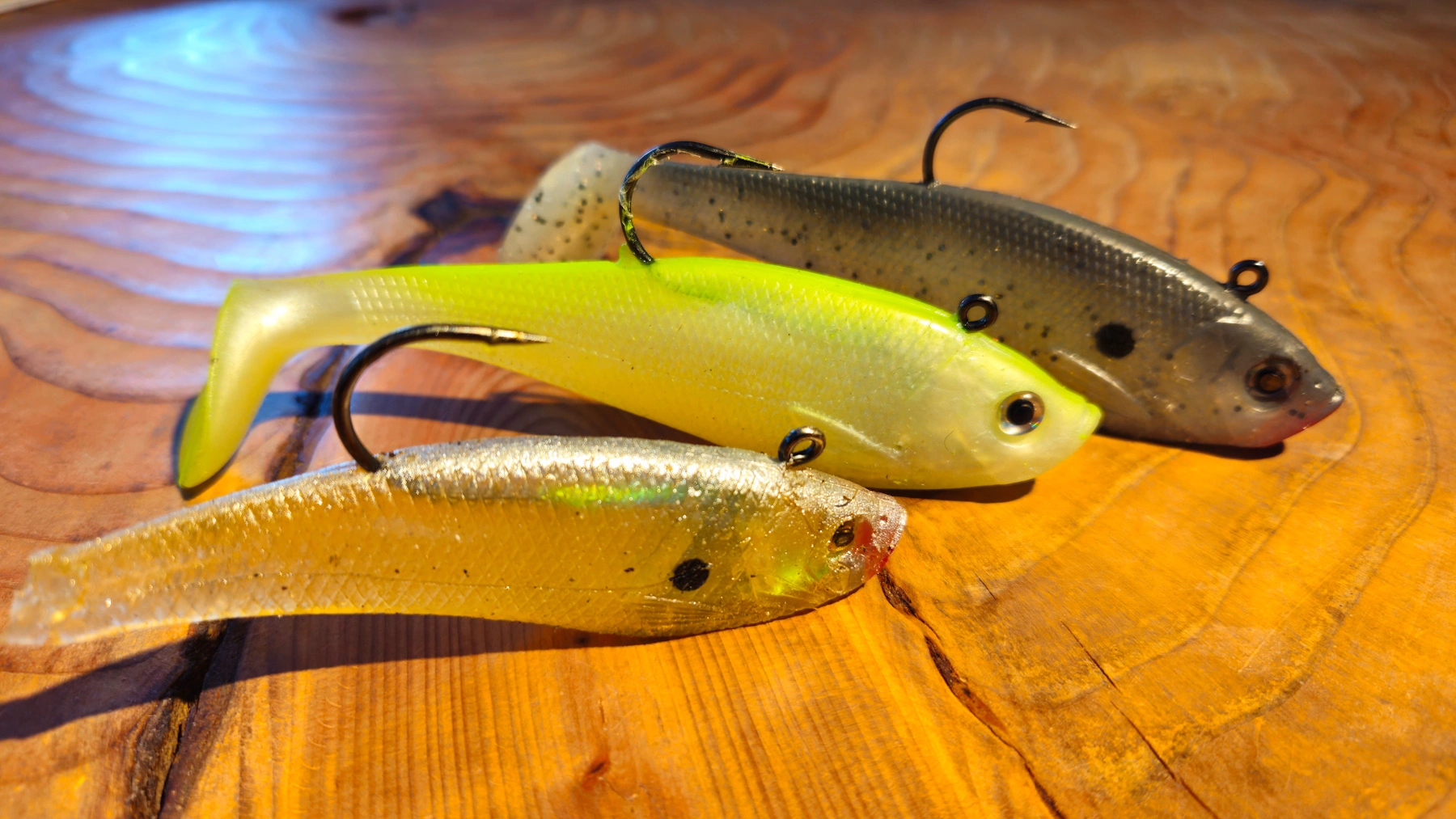
- Storm Wildeye Swimbait (11 cm), Colors: Sardine and Pearl (or similar)
One beautiful day back in 2012, a group of French anglers gifted me a few of these Storm swimbaits. Up until then, I had zero experience with this type of lure, but they turned out to be an absolute game-changer for me and continue to deliver to this day. They are the ideal lure for fishing at moderate depths of around 1.5 to 3 meters, and you can either simply reel them straight in or jig them. This is exactly what we need for summer fishing across many bodies of water. While rather short for a pike softbait, they are stocky and bulky, making them a worthwhile meal even for slightly larger pike. I can’t quite pin down what the exact trick of this lure is, but for me, they regularly outperform standard soft plastics.
Unfortunately, these swimbaits can be a bit difficult to track down. I found a few during our honeymoon in the USA back in 2014, and I still have some of them in my tackle box today. However, there are retailers in other European countries that stock them. It’s a massive insider tip and absolutely worth the effort!
- Mepps Inline Spinner, Size 4 or 5
One of the ultimate classics. Cast it out, let it sink briefly, and reel it in. It doesn’t get any simpler than this. The classic colors—gold, copper, and silver—all work brilliantly, though a good friend of mine who is a real pike pro swears primarily by silver.
Even though spinners have fallen somewhat out of fashion and are rarely used by YouTube anglers these days, their effectiveness hasn’t suffered one bit (or maybe it has even improved because fish see them less often?). The friend I mentioned relies on them even in heavily pressured Dutch waters, where he occasionally lands massive, trophy-sized pike on this very lure. - Softbait, size 15 cm, for example Shaker (Lunker City) or Kopyto (ShadExperts)
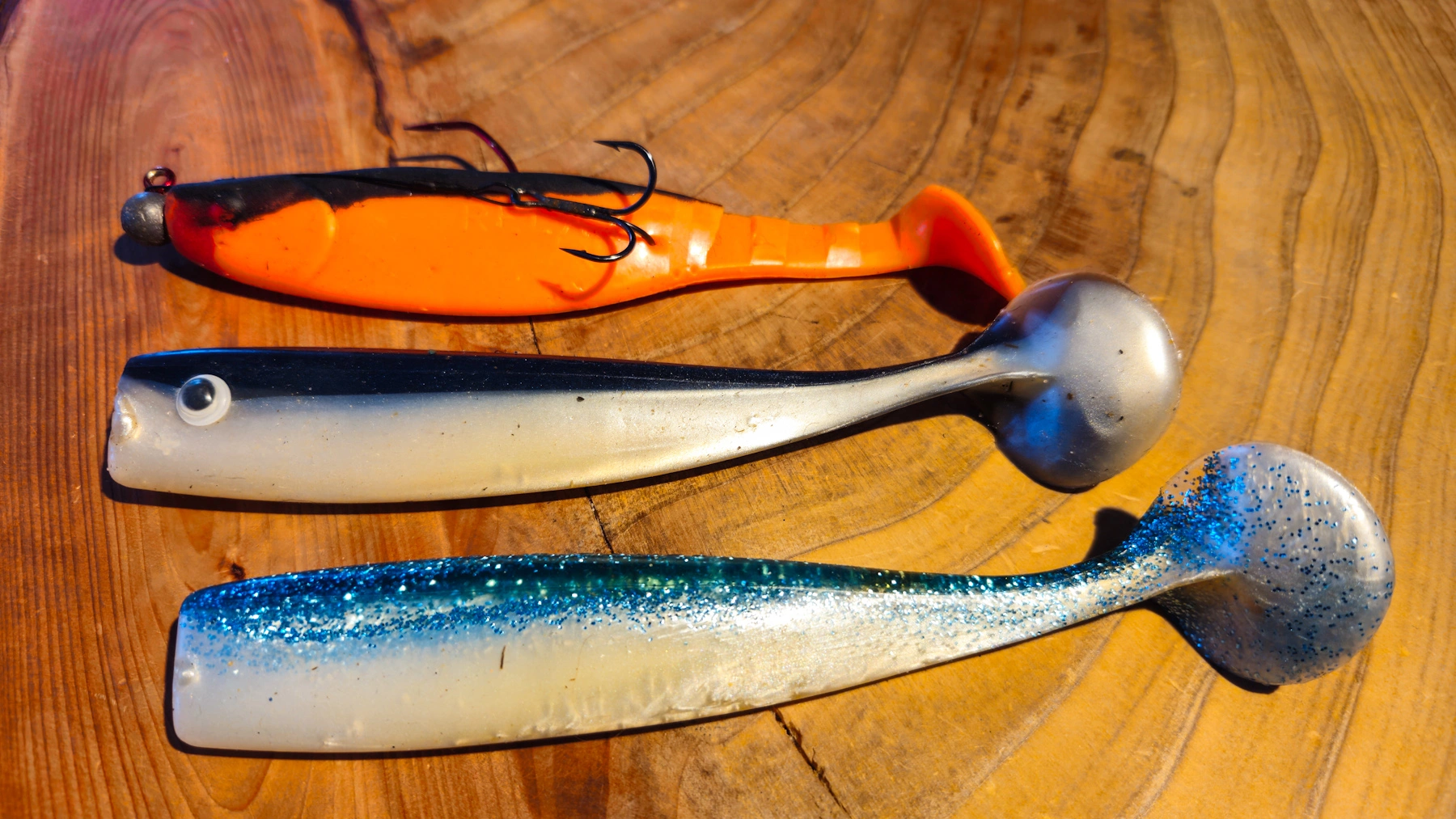
Also a very versatile lure. It is mainly included here to have a trolling lure on the list (which, however, works just as well when cast). A 14-gram jig head, cast 15 meters behind the boat and then trolled at a moderate pace (works great with a standard rowboat). It catches fish!
As for the colors: In the somewhat clearer waters of Dalsland, the Shaker with the light blue back and glitter belly works well; at dusk, the equivalent with a neon-yellow back. I like orange for murky lakes. - Bomber Crankbait/Plug, size 12 centimeters
A slender hardbait that I’ve had in my tackle box for 25 years. Always a hot choice when you want to target shallow water—making it a great spring lure, among other things, or perfect for generally shallower waters. Color depends on the situation; I like fishing the aggressive neon patterns and the transparent one with an orange belly.
When reeling it in, feel free to mix things up and retrieve the lure with short jerks, twitches, and brief pauses.
Additional Equipment
The following items should also not be missing on a pike trip:
- Landing net: Especially helpful for beginners when landing the fish. Don’t go too small—after all, we are fishing for pike!
- Hook remover / Pliers: Important for removing the lure from the pike’s mouth. Preferably as long as possible.
- Knife and priest / fish stunner: For stunning/knocking out the fish and then killing and gutting it.
Approach and Technique
Most holidaymakers in Sweden who want to do some fishing usually book a house that comes with a boat. While this is not an absolute requirement for catching a pike, it makes the endeavor immensely easier. Especially because many of the natural lakes have shorelines that are difficult to access, and there are often only a few spots that can be fished effectively from land.
Assuming we have one, the approach is very simple. First rule of thumb: we are always fishing, meaning even when we are just moving to another spot. To do this, we take one of the aforementioned 15 cm softbaits, complete with a 14-gram jig head and hook, and cast it 15–20 meters behind the boat. The rod is then placed down in a mid-high position (or, even better, your fishing partner holds onto it), and you row. Not too slowly, but you don’t need to overexert yourself either. Ideally, you should feel a slight vibration in the rod, which means the lure is working exactly as it should. So, trolling is always done whenever you want to cover some ground to explore the lake, need a break from casting, or simply want to change fishing spots.
Cast fishing is a bit more complex, but we will keep it relatively simple here as well.
In principle, you can theoretically just cast all of the aforementioned lures, let them sink for a few seconds (on a tight line!), and then retrieve them at a moderate to fast pace (since most people will be targeting them in the summer). Even with a straight retrieve, spinners, swimbaits, crankbaits, and softbaits develop a highly effective action. To increase their appeal, there are various techniques depending on the type of lure that can enormously boost your catch rate—here are the two most important ones for the lures featured:
- Jigging: (Wildeye Swimbait and Softbait)
This technique involves guiding the lure through the water column in a sawtooth pattern. The idea is to accelerate the lure upward with a sharp, aggressive jerk, and then let it sink slowly on a tight line. This requires a little practice, as maintaining permanent, direct contact with the lure is key. The bites occur while the lure is fluttering down. Here is the breakdown:
After casting and letting the lure sink for a few seconds on a tight line, you jerk the rod tip upward by about 70 cm (variations with smaller or larger hops are absolutely fine!). At the exact moment the tip reaches its highest point, you slowly lower the rod again while reeling in the resulting slack. The goal is to follow the movement of the slowly descending softbait with your lowering rod tip, reeling in just enough line to keep it as taut as possible between the lure and the rod. This is crucial for maintaining direct contact with the lure and detecting bites. Once you are back in the starting position of the first jerk, you can let the lure sink a bit further before executing the second jerk.
Compared to a crankbait, you can perform this play at various water depths. The weight of the jig head determines whether you are targeting shallower or deeper water. For example, the 15 cm softbaits with a 14-gram head are quite versatile and a great choice for many situations. A 17-gram head can also be an excellent choice in midsummer, when you can fish even faster. A 10-gram head is ideal for shallow water when fishing over submerged vegetation. - Twitching: (Bomber)
Whenever you want to fish really shallow, the Bomber featured above is an excellent weapon. It runs quite shallow, and even a straight retrieve catches fish. However, it becomes even more effective when you snap it with small, short, aggressive rod movements. To do this, hold the rod just above the water’s surface and—similar to the jigging principle—reel in the slack line after short jerks. After a twitch, you can definitely let the lure pause and suspend in place for a brief moment. - Spinners
Simply let it sink a bit after it hits the water surface – then reel it in. The lure will start rotating on its own. You can then vary the retrieval speed.
Where to find the pike?
The choice of fishing spot is of immense importance. 90% of the fish are located in 10% of the water area – so having a good idea of where to fish is crucial.
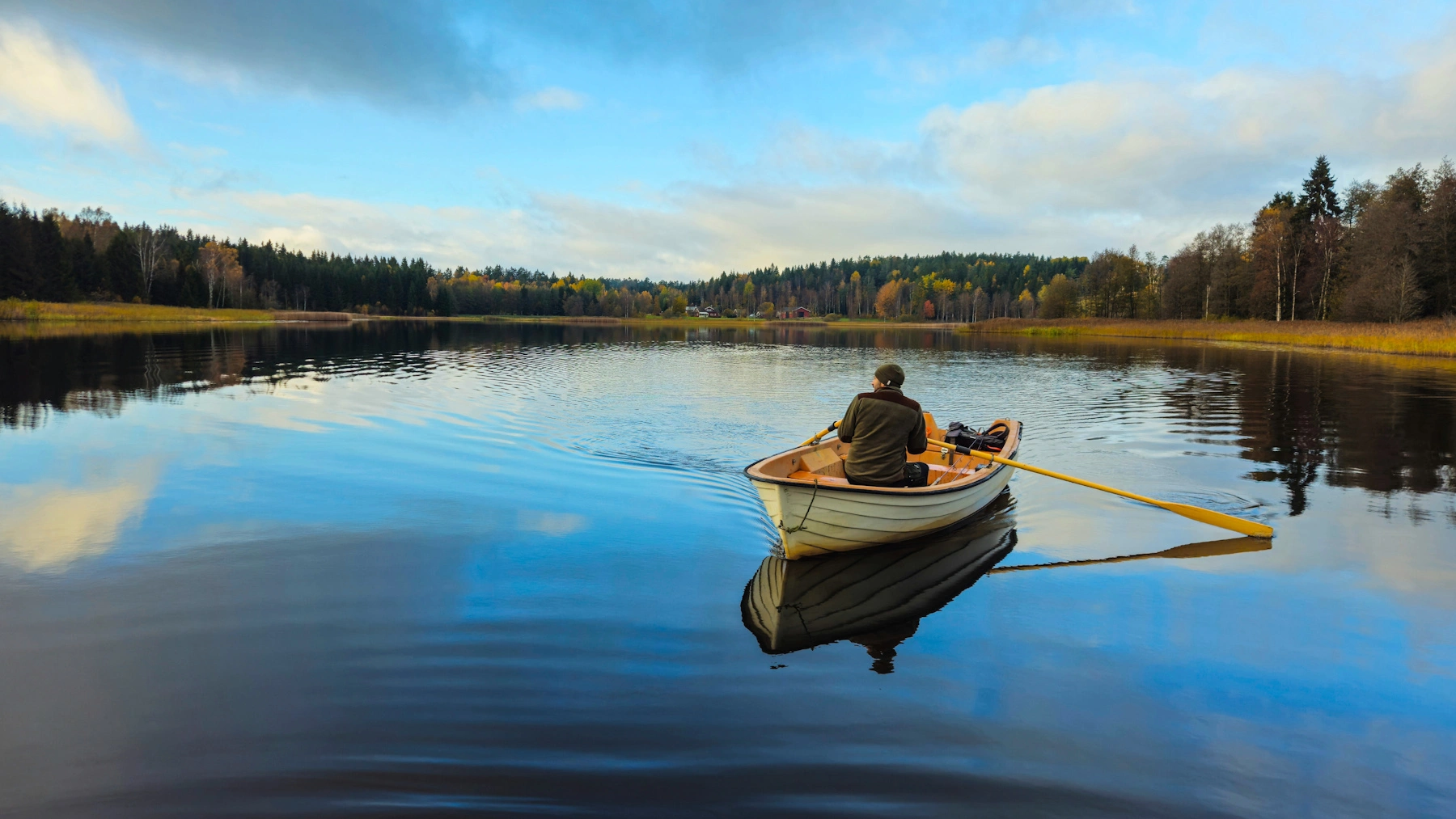
For a small to medium-sized pike (60–80 cm) like the ones we want to catch, a good spot looks like this: a reed line that is about 1.8 to 2.5 meters deep right at its outer edge (by the last stalks). Reed lines are often much shallower, which pike don’t particularly like from June onward in the southern third of Sweden. It is even better if it is a reed bed that forms a sort of point, jutting out into the lake and thus having a bit of current playing around it. If you also find a rather hard bottom there, you have found a great spot.
Other spots that are always worth a try: Any kind of shoal or drop-off—essentially places where the water depth varies significantly. This also includes small islands within the lake, or plateaus where it suddenly gets much shallower. Docks and piers. Areas where a gradually sloping bottom suddenly drops off quickly (the so-called “edge” or “drop-off”).
Water lily beds, provided they are not too shallow, are also always among the interesting spots.
Time of Day and Weather Conditions
Unfortunately, it is not possible to give a blanket recommendation that always fits. And as a holidaymaker, you have to work with what you’ve got—meaning during a two-week vacation in Sweden, you won’t necessarily encounter perfect conditions. However, you can adjust your fishing accordingly if needed. And there are clear indicators you can use as a guide.
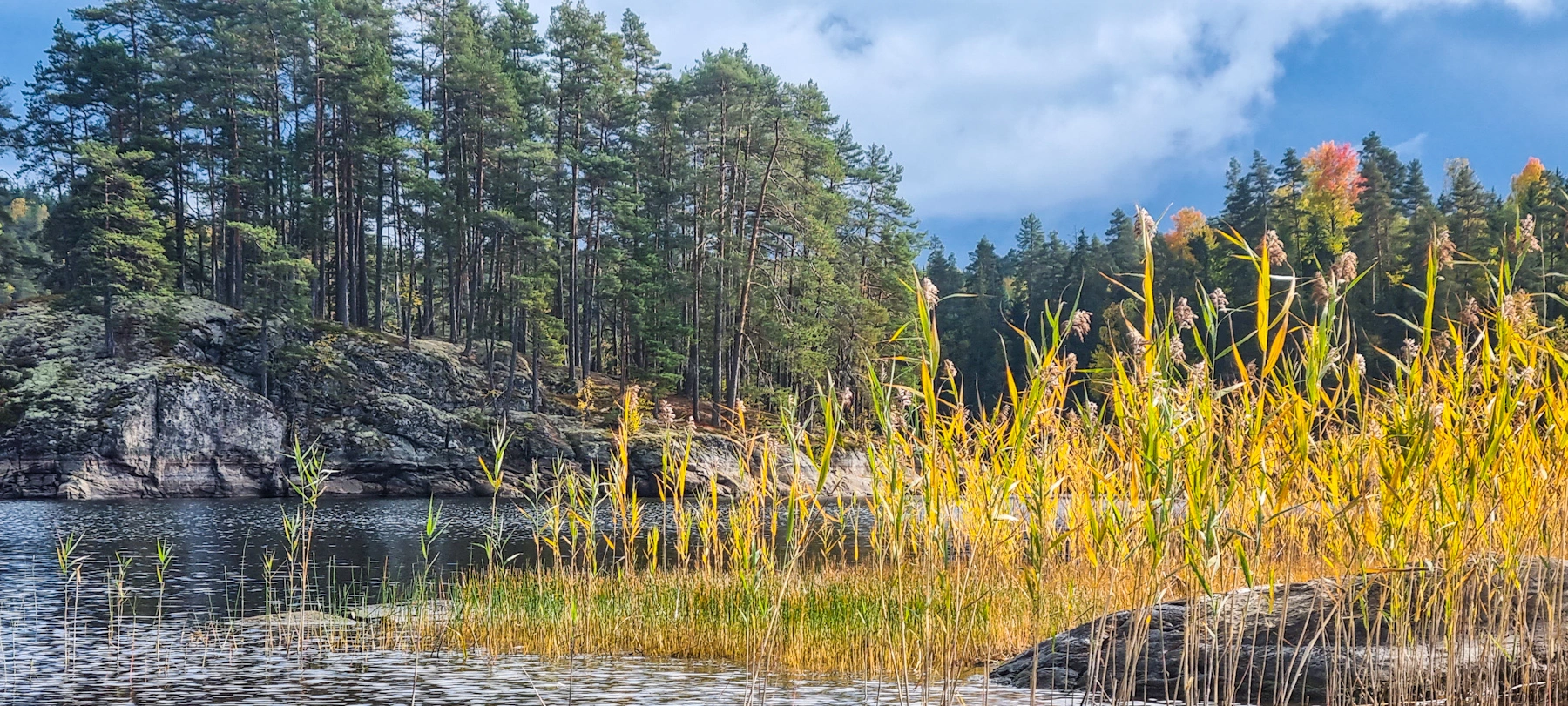
A lot depends on the light conditions—whether these are influenced by the time of day or the weather plays a secondary role for now. Generally, it is best when it is not too bright; in summer, an overcast sky is often better. Intense, direct sunlight is therefore usually considered less than ideal. However, if there is a decent breeze, even pure sunshine can be great! Personally, I really like these conditions—it keeps your spirits high, and I have often caught very well in such weather. The waves on the water surface reduce visibility, and the general movement in the water—in terms of current, plankton, and baitfish—makes it easier for the pike to hunt; that is the simple explanation.
A rule of thumb is that overcast and cloudy conditions are often advantageous. If there is a breeze on top of that, the odds are very good weather-wise. This can then be combined with fishing at dusk or dawn. The morning hours, in particular, are frequently very productive. However, you have to take into account that dawn comes very early during the Swedish summer—so you will need to plan for an early start in this case.
Fair Play: Fishing License & Respect
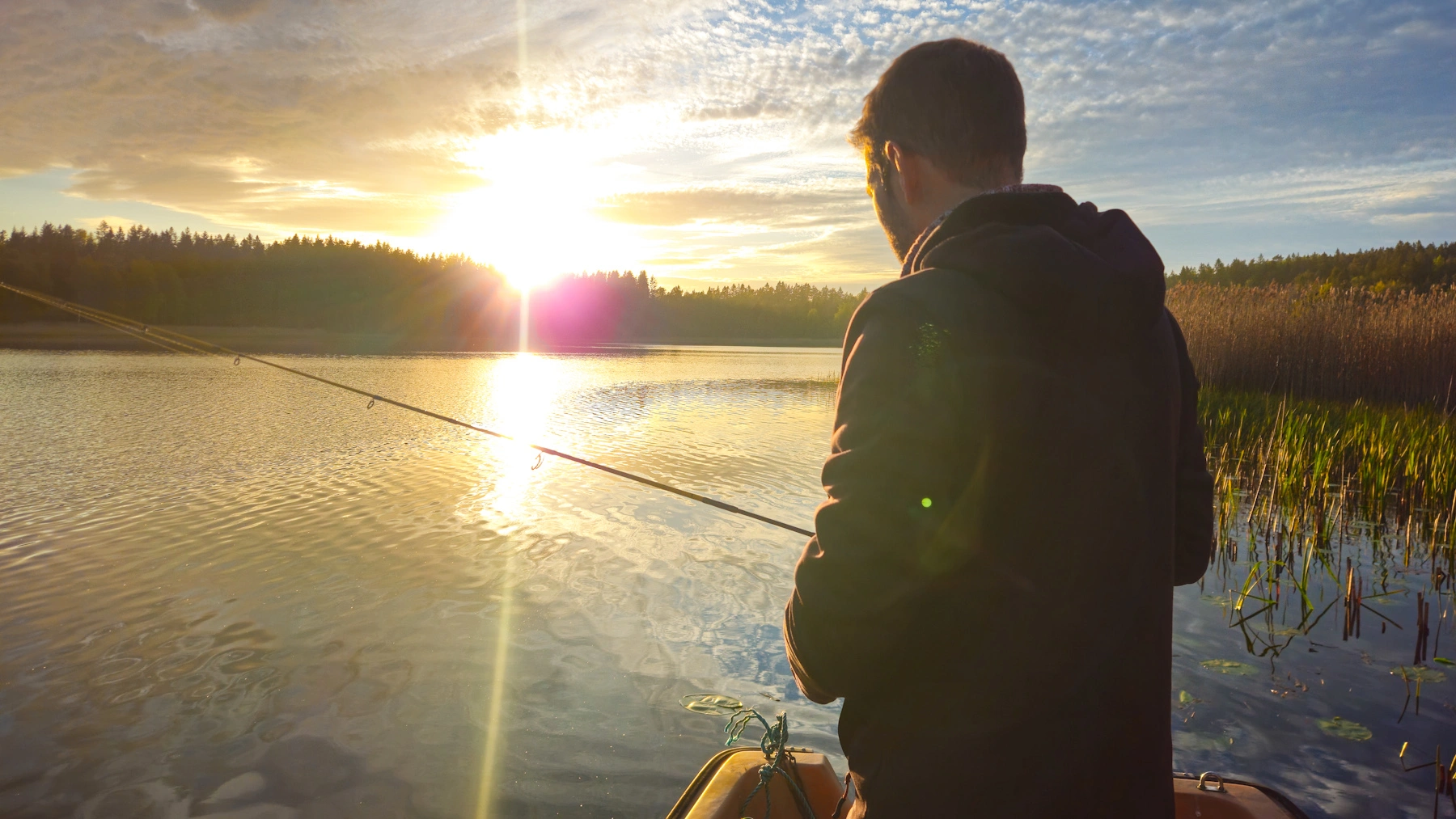
A few words on the formalities: even though things are often more relaxed in Sweden, going fishing without permission is not allowed. For small lakes, fishing licenses are frequently not issued at all. In these cases, you can often just ask the direct shoreline residents/property owners. For the vast majority of somewhat larger lakes, however, fishing licenses are available for purchase. Thanks to advanced digitalization here in the North, this is usually not a problem at all: the “iFiske” app offers fishing license purchases for hundreds of bodies of water.
And finally, a word on handling the fish. Whether you want to take it home—meaning, kill and cook it—or release it back into the water, gentle and respectful handling of this living creature is of paramount importance. The basic rules include: keeping the fish out of the water only briefly (just to remove the hook), handling it only with wet hands, and ideally using a landing net with a rubberized mesh.
Tight lines!
Awesome, you’ve made it to the end of the text! Now, not much can really go wrong! With the right amount of patience and by roughly following all the tips above, your chances of catching your first pike are very, very good!
Are you still feeling a bit unsure and would prefer some personal advice and support? No problem! I’m happy to help – just drop me a message!
Read more great articles
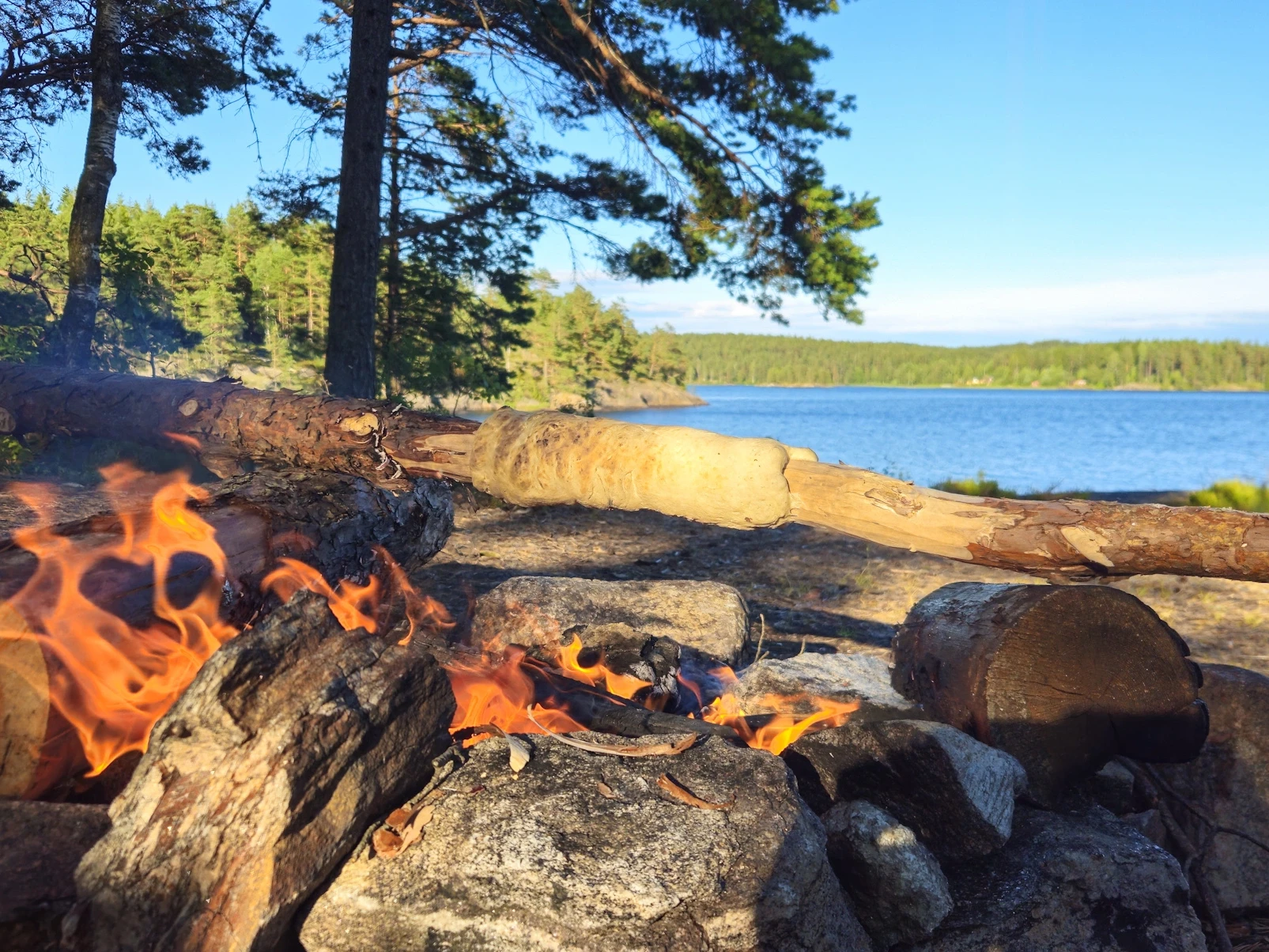
Wilderness Paddling in Western Sweden – Canoe Discovery Tour in Dalsland
Introducing: Södra and Mellersta Kornsjön – the perfect area to relax for a few days in an undisturbed waterscape, without having to travel far within Sweden!
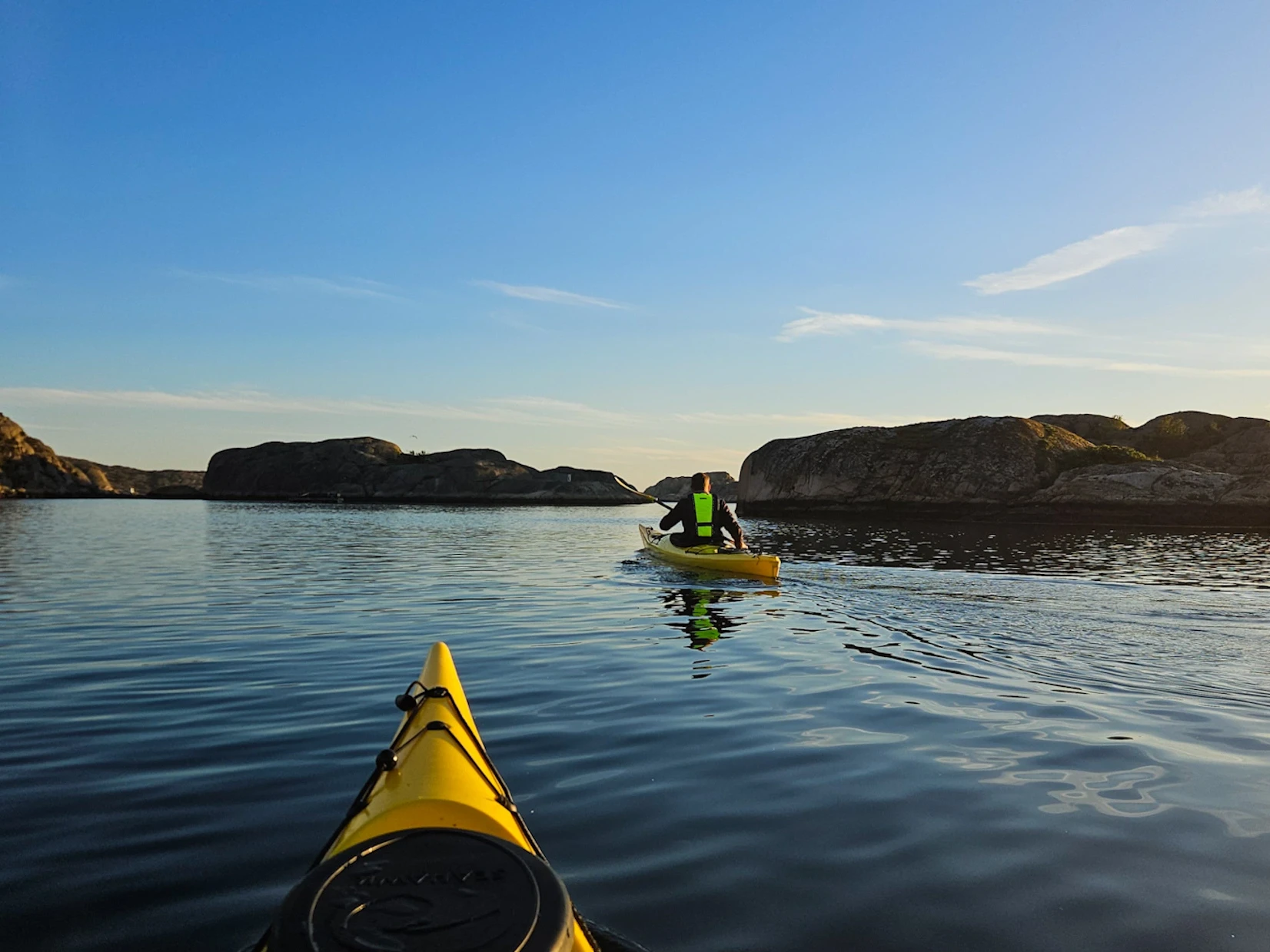
Our rental fleet is complete – Spring Canoe Test Days
Just a few weeks ago, the maiden fleet of our little "Granite & Green" paddling lineup became complete: two single sea kayaks and one 3-person canoe are now safely stored in our garage, just waiting…
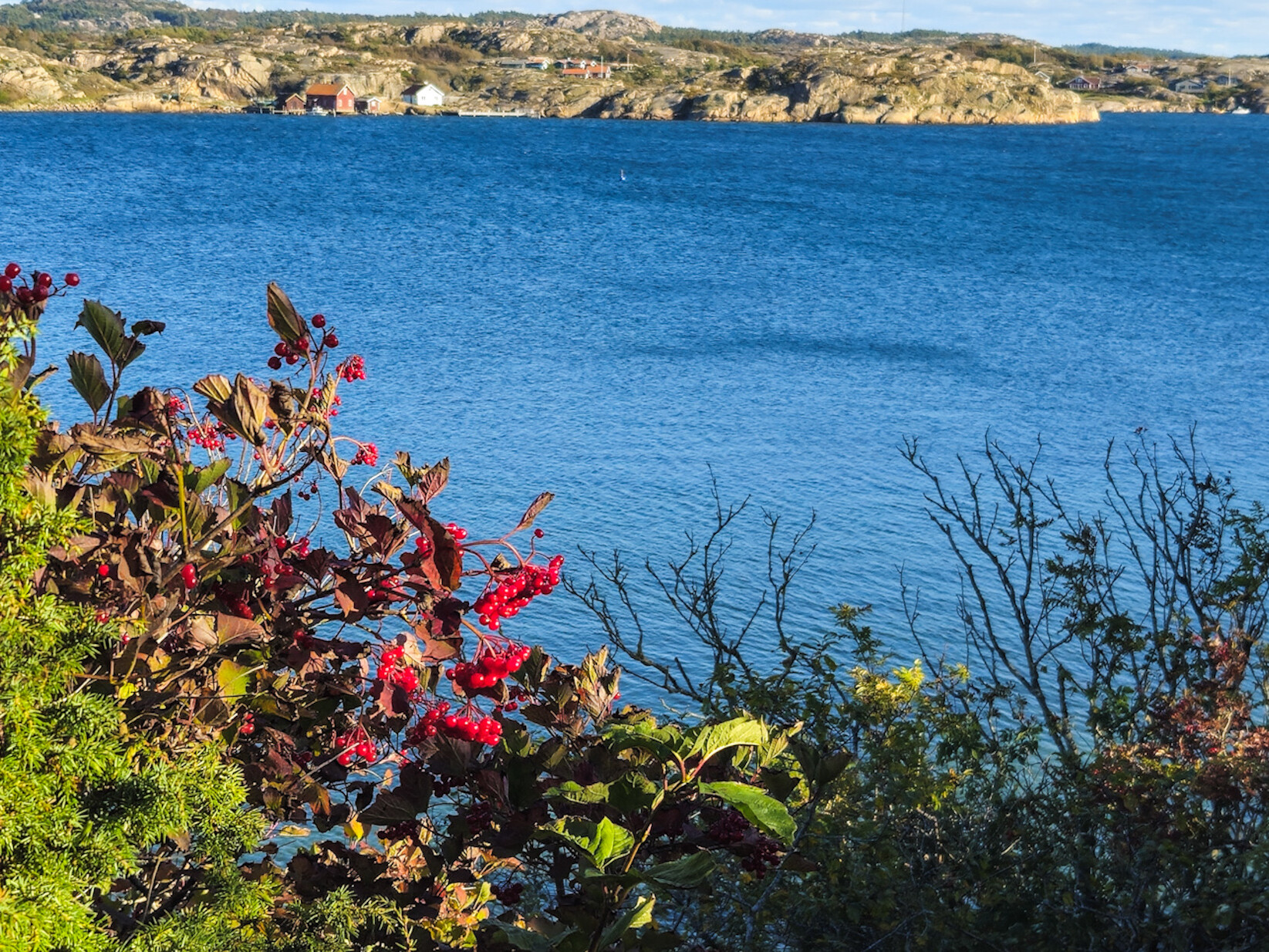
35 excursion destinations around Munkedal and in Bohuslän
Over the years, we've had the chance to get to know quite a few excursion destinations here in the area. Some are just a few minutes away from our Treeline Studio, while others require a slightly…
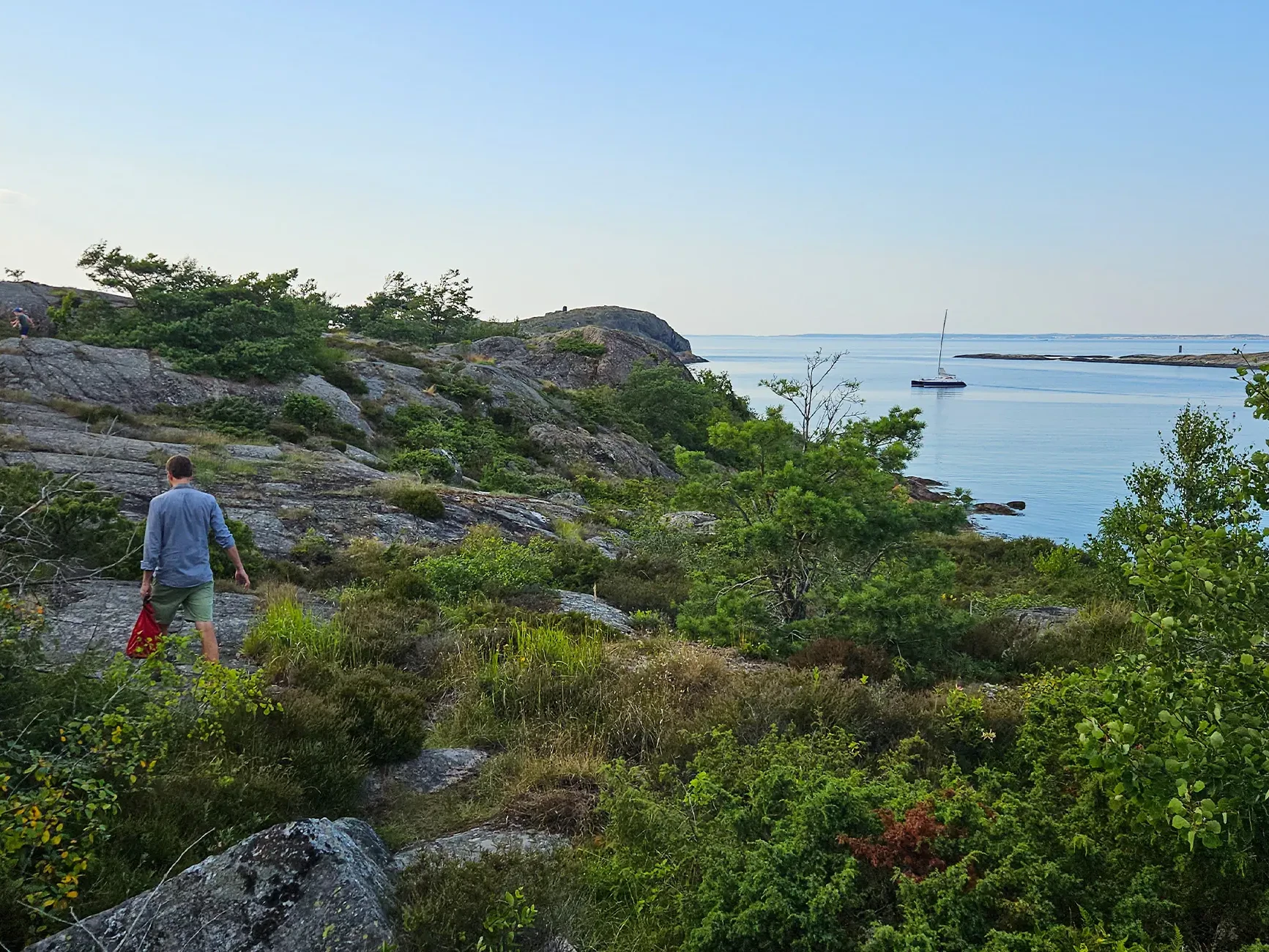
Coast meets forest
Bohuslän and Dalsland are both Swedish regions that aren't necessarily considered heavyweights among Swedish landscapes in terms of international fame. People know Småland (because of Astrid…
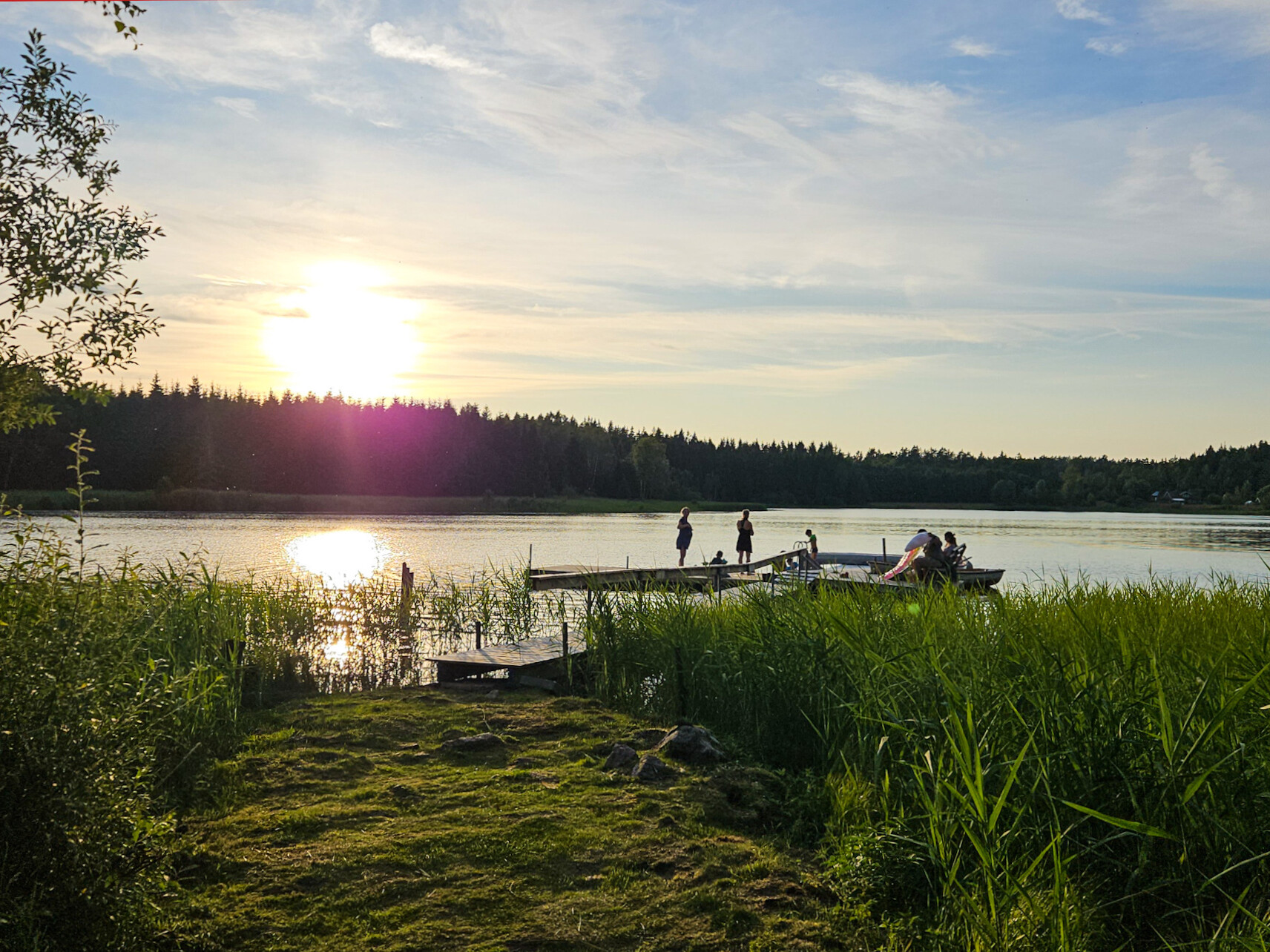
Our Lake – Fishing, Swimming, Paddling, and More Right on Our Doorstep
Having the privilege of a small, excellent fishing spot just 200 meters from your own front door is incredibly special. But keeping the uniqueness of this situation constantly in mind can be…